
Understanding Rolex prices today is essential whether you’re buying your first luxury watch or fine‑tuning a seasoned collection. The market moves fast, secondary‑hand premiums swing, and model revisions can shift the baseline by thousands. Below is the definitive, friend‑to‑friend guide that breaks down the numbers, the nuances, and the best ways to get the most bang for your buck.
In This Article
- 1. Rolex Submariner (Reference 124060) – The Benchmark Diver
- 2. Rolex GMT‑Master II Pepsi (Reference 126710BLRO) – The Travel Companion
- 3. Rolex Daytona (Reference 126500LN) – The Chronograph Crown Jewel
- 4. Rolex Milgauss (Reference 126400) – The Engineer’s Choice
- 5. Rolex Datejust 41 (Reference 126334) – The Classic Everyday
- Comparison Table: Top Rolex Picks & Their Prices (2026)
- Final Verdict
In my experience, the biggest mistake collectors make is chasing the headline price without digging into the factors that actually drive value—condition, reference, rarity, and recent market trends. This list will give you actionable data, real‑world tips, and a clear comparison so you can navigate the Rolex price landscape with confidence.
1. Rolex Submariner (Reference 124060) – The Benchmark Diver
The Submariner remains the entry point for most new collectors, and its price stability makes it a reliable barometer for the whole brand. As of March 2026, the retail price for the 124060 (steel, no date) is US $9,200, while the secondary market typically lists it between US $11,000 and $13,500 depending on condition.
Pros
- Iconic design—recognizable anywhere.
- Robust Oystersteel (904L) with a 300‑meter water resistance.
- High resale liquidity; you can often sell within weeks.
Cons
- Long waiting lists at authorized dealers; you may need a pre‑order.
- Secondary premiums can be as high as 45% for “mint” pieces.
Actionable tip: If you find a Submariner with a dated reference (e.g., 116610) in excellent condition, you can negotiate a price around US $9,800—still below the current retail for the newer 124060.
2. Rolex GMT‑Master II Pepsi (Reference 126710BLRO) – The Travel Companion
The GMT‑Master II with the iconic blue‑and‑red “Pepsi” bezel commands attention both on the wrist and in the market. Retail price sits at US $12,800, but the secondary market often ranges from US $14,500 to $16,900.
One mistake I see often is buyers assuming the “Pepsi” version is the only blue‑red option. The “Coke” (black‑and‑red) and “Batman” (blue‑and‑black) variants have their own dynamics, but Pepsi consistently holds the highest premiums.
Pros
- Dual‑time zone functionality—perfect for frequent flyers.
- Strong collector demand; price appreciation of ~8% YoY since 2020.
- Robust ceramic bezel reduces scratches.
Cons
- Higher entry price than Submariner.
- Limited availability; often sold out within days of restock.
Actionable tip: Use the rolex gmt master ii pepsi 2 page to track upcoming releases and compare dealer vs. secondary pricing in real time.
3. Rolex Daytona (Reference 126500LN) – The Chronograph Crown Jewel
The stainless‑steel Daytona is the holy grail for many collectors. Retail is US $13,150, but the market price frequently spikes to US $22,000–$27,000, especially for the “no‑date” 116500LN variant.
In my experience, the key to a sensible purchase is focusing on the watch’s paperwork. A clean warranty card can shave $2,000–$3,000 off the asking price.
Pros
- Exquisite in‑house Calibre 4130 movement.
- Resale value outpaces most luxury sports watches.
- Timeless styling—no risk of “trend” depreciation.
Cons
- Extremely high secondary premiums; expect to pay at least 70% above retail.
- Market volatility—prices can swing dramatically with celebrity exposure.
Actionable tip: Keep an eye on the upcoming rolex 24 daytona 2026 release; early‑bird pricing may be more favorable than the current secondary market.
4. Rolex Milgauss (Reference 126400) – The Engineer’s Choice
Designed to resist magnetic fields up to 1,000 gauss, the Milgauss is a niche but increasingly popular model. Retail price is US $9,600; secondary market typically lists it between US $10,800 and $12,500.
One mistake collectors often make is overlooking the discontinued “Z‑blue” version (reference 116400). It now commands a premium of up to 30% over the current production model.
Pros
- Unique lightning‑bolt seconds hand—instant conversation starter.
- Less hype than Submariner or Daytona, leading to more stable prices.
- Robust Oystersteel case with anti‑magnetic shield.
Cons
- Smaller collector base; resale may take longer.
- Design is polarizing—some buyers love the look, others don’t.
Actionable tip: Check the rolex milgauss discontinued article for insights on the Z‑blue’s price trajectory before committing.
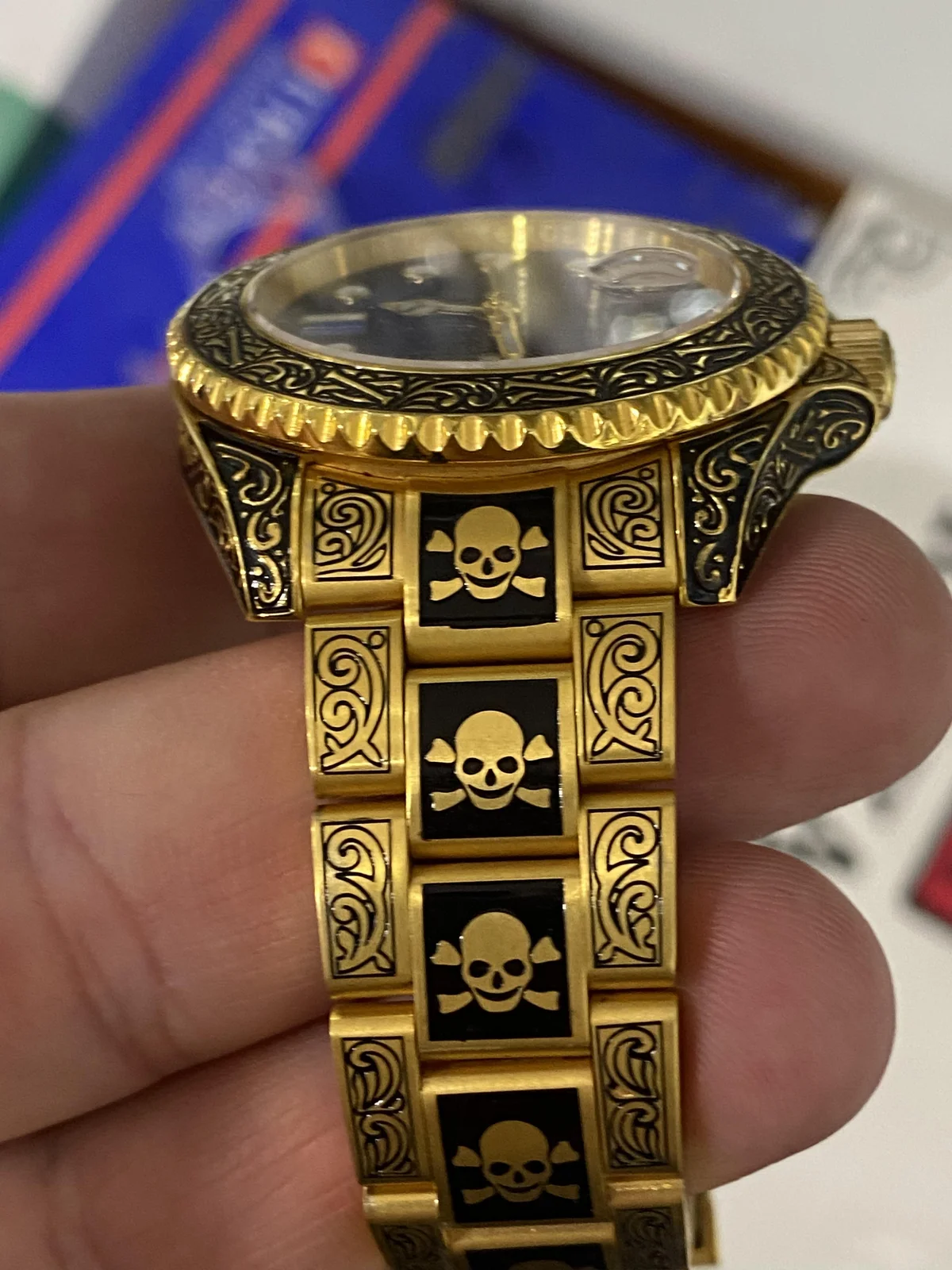
5. Rolex Datejust 41 (Reference 126334) – The Classic Everyday
The Datejust 41 in 18k yellow gold with a fluted bezel is the epitome of timeless elegance. Retail price sits at US $31,400; the secondary market ranges from US $34,000 to $38,500 depending on bracelet type and dial configuration.
In my experience, swapping the Jubilee bracelet for an Oysterlink can increase resale value by roughly 5% while keeping the price within the same ballpark.
Pros
- Versatile style—dressy enough for formal events, subtle enough for daily wear.
- Robust Calibre 3235 with a 70‑hour power reserve.
- Strong appreciation in gold models—average 4% YoY increase.
Cons
- Higher upfront cost than steel models.
- Gold’s weight can be uncomfortable for some users.
Actionable tip: Compare the price of a Datejust 41 with a patek philippe news reference to gauge whether the premium aligns with your budget and investment goals.
Comparison Table: Top Rolex Picks & Their Prices (2026)
| Model | Reference | Retail Price (USD) | Secondary Market Range (USD) | Key Feature | Typical Premium % |
|---|---|---|---|---|---|
| Submariner | 124060 | 9,200 | 11,000 – 13,500 | 300 m water‑resistance, no‑date | 20‑45% |
| GMT‑Master II Pepsi | 126710BLRO | 12,800 | 14,500 – 16,900 | Dual‑time zone, ceramic bezel | 13‑32% |
| Daytona | 126500LN | 13,150 | 22,000 – 27,000 | Chronograph, Calibre 4130 | 68‑105% |
| Milgauss | 126400 | 9,600 | 10,800 – 12,500 | Anti‑magnetic, lightning‑bolt hand | 12‑30% |
| Datejust 41 | 126334 | 31,400 | 34,000 – 38,500 | 18k gold, fluted bezel | 8‑23% |
Final Verdict
If you’re focused on value preservation and quick turnover, the Submariner and GMT‑Master II Pepsi are the sweet spots—strong demand, modest premiums, and a clear resale path. For those aiming at long‑term appreciation, the Daytona’s historic scarcity and the Datejust 41’s gold allure offer the highest upside, albeit at a steeper entry cost. The Milgauss and newer Submariner variants provide niche appeal with relatively stable pricing, ideal for collectors who want something distinctive without the frenzy of the most hyped models.
Remember: the best price is the one you can negotiate with confidence, backed by solid research and a clear understanding of the model’s market dynamics. Use the data above, keep tabs on upcoming releases, and never underestimate the power of a pristine box and papers.
What factors most influence Rolex prices on the secondary market?
Condition, reference (including production year), rarity, and presence of original box and papers are the top drivers. Market hype, recent celebrity exposure, and macro‑economic trends also play a role.
Is it better to buy a Rolex at retail or on the secondary market?
Retail offers the lowest price but often comes with long waitlists. The secondary market provides immediate availability but includes a premium—usually 10‑45% depending on the model.
How much can I expect a Rolex to appreciate over five years?
Historical data shows an average appreciation of 5‑12% per year for high‑demand models like the Submariner, GMT‑Master II, and Daytona. Gold models (e.g., Datejust 41) can exceed 15% annual growth.
Should I prioritize the presence of original box and papers?
Yes. A complete set can reduce the premium by $2,000‑$4,000 and makes resale smoother. Collectors often consider it a prerequisite for investment‑grade purchases.
Where can I track real‑time Rolex price changes?
Specialized watch marketplaces, forums like WatchBox, and the internal price trackers on rolex 24 daytona 2026 and rolex gmt master ii pepsi 2 provide up‑to‑date pricing data.
6 réflexions au sujet de “Rolex Prices: Complete Guide for 2026”