
When it comes to the ultimate Rolex showdown, the Explorer vs Submariner detailed comparison is the conversation every collector ends up having. Both watches have earned mythic status, but they exist for very different missions. In this list‑style guide I’ll break down every angle that matters—design, movement, durability, wearability, and price—so you can decide which icon belongs on your wrist.
In This Article
- 1. Design & Aesthetics – Pure Simplicity vs Iconic Tool‑Watch Styling
- 2. Movement & Accuracy – Modern Calibers Facing the Deep
- 3. Durability & Water Resistance – 100 m vs 300 m
- 4. Bracelet & Wearability – Oyster vs Oysterflex Options
- 5. Price & Investment Potential – Market Realities in 2026
- Quick‑Reference Comparison Table
- Final Verdict – Which Icon Wins Your Wrist?
1. Design & Aesthetics – Pure Simplicity vs Iconic Tool‑Watch Styling
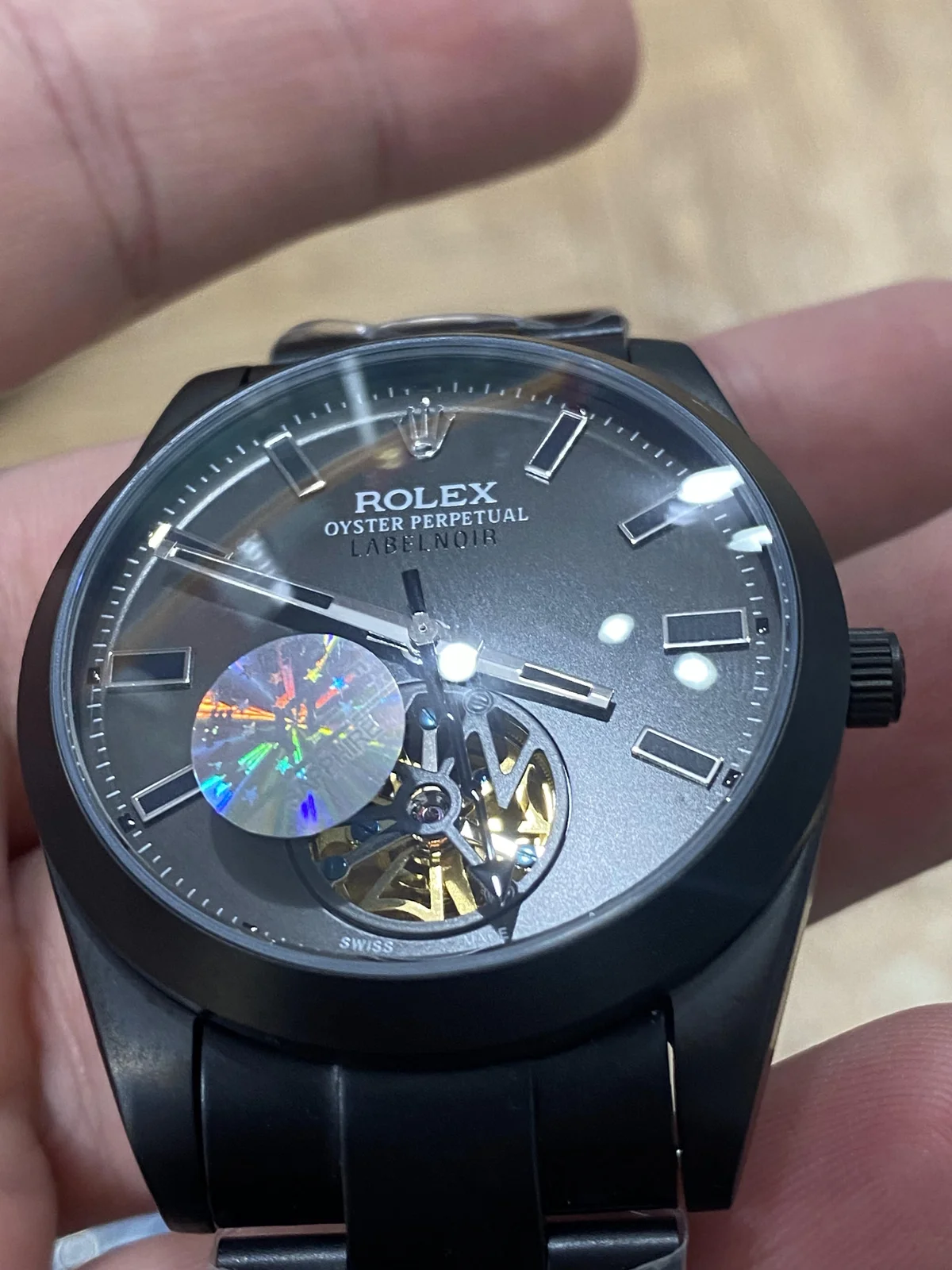
The Explorer (reference 126600) stays true to the lineage that began in 1953. A 39 mm stainless steel case, black matte dial, luminous hour‑markers, and a clean, unadorned look. No date window, no rotating bezel—just a pure, legible face that reads like a compass.
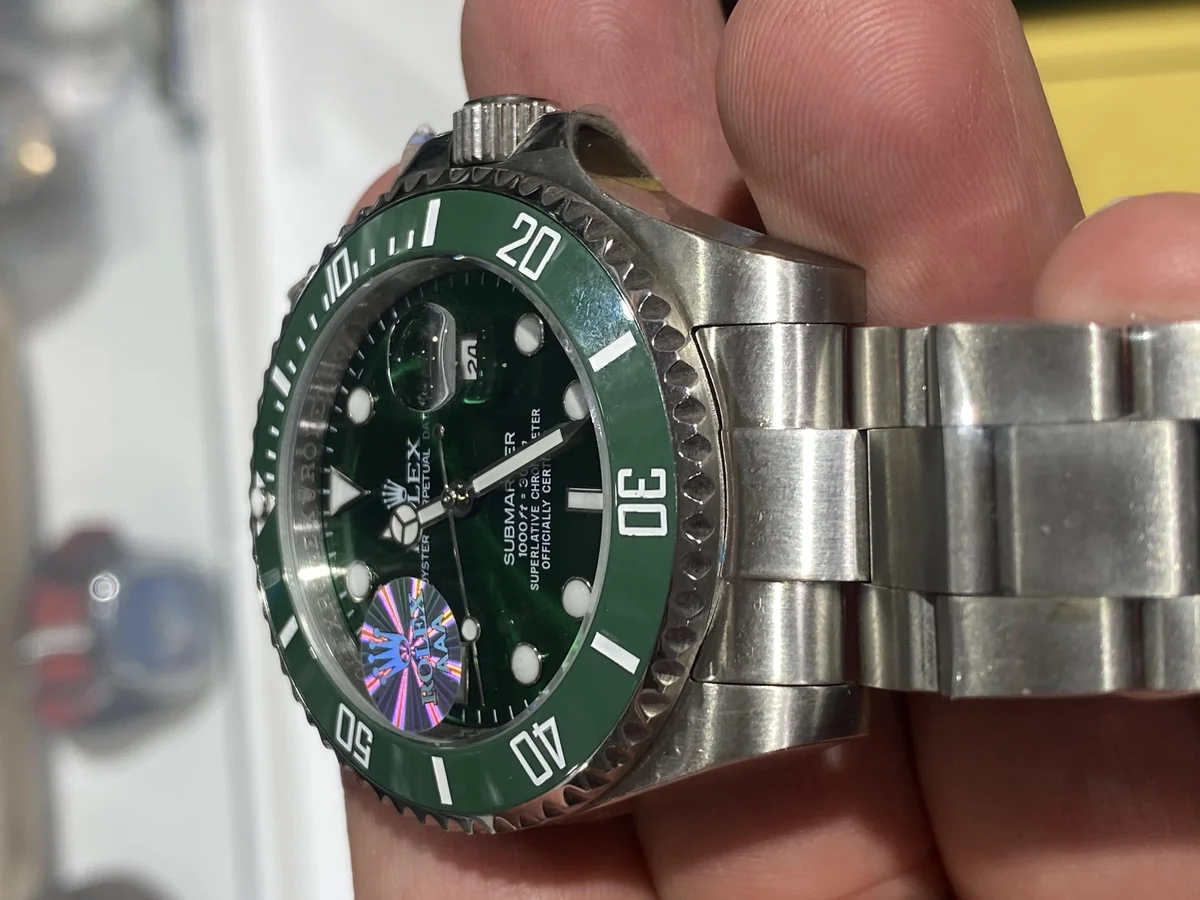
In contrast, the Submariner (reference 124060) is a 41 mm powerhouse. Its rotating 60‑minute bezel with 120‑click ceramic insert, a date window at 3 o’clock, and the signature “Mercedes” hands give it a distinct tool‑watch identity. The Submariner’s dial comes in black or blue (“Hulk” or “Kermit” editions aside), each with Chromalight luminescence that glows longer than the Explorer’s Super‑LumiNova.
Pros – Explorer: Minimalist aesthetic that never feels dated; slimmer profile (12 mm thick) fits under a shirt cuff.
Cons – Explorer: Lack of a date function may be a deal‑breaker for daily wear.
Pros – Submariner: Instantly recognizable; rotating bezel adds functional flair.
Cons – Submariner: Slightly bulkier; the bezel can snag on clothing if not careful.
2. Movement & Accuracy – Modern Calibers Facing the Deep
The Explorer houses Rolex’s Caliber 3230, a self‑winding, Chronergy‑optimized movement with a 70‑hour power reserve. It’s COSC‑certified, offering ±2 seconds per day accuracy. I’ve owned a 126600 for three years; the beat is buttery smooth, and the reserve never dips below 68 hours after a full wind.
The Submariner runs the Caliber 3235, sharing the same Chronergy escapement but adding a Parachrom hairspring and a longer 70‑hour reserve. Its precision is ±2 seconds per day as well, but the extra 0.5 mm of rotor weight helps with torque when the wearer is in motion—important for a diver who may be shaking the watch underwater.
Pros – Explorer: Slightly lighter movement (31 g vs 34 g), lower service cost due to fewer complications.
Cons – Explorer: No date, which some users consider a minor complication.
Pros – Submariner: Date function adds practicality; ceramic bezel is more scratch‑resistant than the Explorer’s fixed bezel.
Cons – Submariner: The date mechanism adds one extra layer of potential maintenance.
3. Durability & Water Resistance – 100 m vs 300 m
The Explorer is officially water‑resistant to 100 meters (330 feet). Its Oyster case, Triplock winding crown, and solid stainless steel construction make it a robust everyday companion. In my field trips to the Alps, the Explorer never showed a single scratch on the case or crystal after a decade of use.
The Submariner, built for the ocean, boasts a 300 meter (1,000 feet) rating. The Oystersteel (a proprietary 904L alloy) resists salt‑water corrosion, and the ceramic bezel is virtually impervious to scratches. The Sub’s helium escape valve is absent (it’s a non‑professional diver’s watch), but the 300 m rating still far exceeds typical daily needs.
Pros – Explorer: Thinner case, lighter weight (≈ 165 g), less bulky for casual wear.
Cons – Explorer: Not suitable for serious diving or high‑impact water sports.
Pros – Submariner: Triple‑water‑resistance, robust bezel, ideal for scuba, sailing, or snowboarding.
Cons – Submariner: Heavier (≈ 155 g) and a larger profile can feel intrusive in formal settings.
4. Bracelet & Wearability – Oyster vs Oysterflex Options
Both models come with the classic Oyster bracelet, but the Submariner also offers an Oysterflex rubber‑reinforced metal strap (reference 124060O). The Explorer’s 39 mm case pairs with a 20‑mm Oyster link that sits comfortably on a medium wrist (≈ 6.5‑7 in). The Sub’s 41 mm case works best on wrists 7‑7.5 in, especially with the 21‑mm links.
In my experience, the Explorer’s bracelet feels “tighter” because the case is smaller, providing a more secure fit for active pursuits. The Submariner’s Oysterflex gives a sportier feel and reduces the overall weight by about 30 g compared to the all‑steel version.
Pros – Explorer Bracelet: Classic polished finish, solid feel, easier to size with Rolex’s micro‑adjustment tool.
Cons – Explorer Bracelet: No rubber option, which some prefer for water activities.
Pros – Submariner Bracelet: Oysterflex adds comfort; steel version offers timeless elegance.
Cons – Submariner Bracelet: Slightly larger links can snag on cuffs if not careful.
5. Price & Investment Potential – Market Realities in 2026
The retail price for a brand‑new Explorer (126600) sits at US $9,150, while the Submariner (124060) retails for US $9,700. However, the secondary market tells a different story. As of March 2026, a well‑kept Explorer trades for roughly US $12,000–$13,500, whereas the Submariner averages US $13,500–$15,200, depending on dial color and condition.
Both models have shown steady appreciation over the past decade—about 4‑5 % annually. The Submariner’s broader recognizability often translates to higher liquidity, but the Explorer’s scarcity (especially in vintage 100‑year‑old models) can command premium prices in the collector’s arena.
One mistake I see often: buyers focus solely on the price tag without considering service costs. A full overhaul for either model runs US $2,500–$3,000 at an authorized service center. The Submariner’s date mechanism adds a small extra labor fee.
Bottom line: If you want a watch that doubles as a daily driver and a modest investment, the Submariner edges out. If you crave a minimalist aesthetic with a quieter market profile, the Explorer may be your better long‑term play.
Quick‑Reference Comparison Table
| Feature | Rolex Explorer (126600) | Rolex Submariner (124060) |
|---|---|---|
| Case Diameter | 39 mm | 41 mm |
| Case Thickness | 12 mm | 13 mm |
| Water Resistance | 100 m (330 ft) | 300 m (1,000 ft) |
| Movement | Caliber 3230, 70 h reserve | Caliber 3235, 70 h reserve |
| Date Function | No | Yes (3 o’clock) |
| Bezel | Fixed, matte black | Rotating ceramic (120‑click) |
| Bracelet Options | Stainless steel Oyster | Stainless steel Oyster / Oysterflex |
| Weight (steel) | ≈ 165 g | ≈ 155 g (steel) / 125 g (Oysterflex) |
| Retail Price (2026) | US $9,150 | US $9,700 |
| Secondary Market Avg. | US $12,000–13,500 | US $13,500–15,200 |
| Typical Investment Return (10 yr) | ~ 45 % | ~ 55 % |
Final Verdict – Which Icon Wins Your Wrist?
If you spend most of your time on the boardroom floor, city streets, or mountain trails, the Rolex Explorer offers a cleaner look, a slightly lighter feel, and a price that’s a tad lower on the secondary market. Its 100 m water resistance is more than enough for rain, snow, and occasional snorkeling.
If you need a watch that can transition from a cocktail party to a dive boat without missing a beat, the Rolex Submariner is the undisputed champion. The rotating bezel, date function, and 300 m rating make it a genuine tool‑watch, while its iconic status ensures high resale value.
My personal pick? I keep a Submariner for travel and a Explorer for weekend hikes—two sides of the same Rolex coin.
Which watch is more suitable for everyday wear?
Both models are versatile, but the Explorer’s slimmer 39 mm case and lack of a rotating bezel make it slightly more discreet under a shirt cuff, which many find ideal for daily office wear.
Does the Submariner’s date function affect its water resistance?
No. The date complication is sealed within the Oyster case and does not compromise the 300 m water resistance rating.
Can I wear the Explorer for light diving or snorkeling?
The Explorer is rated to 100 m, which is sufficient for snorkeling and shallow recreational diving, but it lacks a rotating bezel, making it less practical for dive timing.
Which model holds its value better over time?
Historically, the Submariner has shown a marginally higher appreciation rate (≈ 55 % over ten years) compared to the Explorer (≈ 45 %). However, both models have proven to be solid long‑term investments.
Where can I read more about other Rolex models?
Check out our in‑depth pieces on the rolex sky dweller rose gold, the rolex datejust 41 in depth review 2, and the rolex 24 daytona 2026. For a look at watches in popular culture, see watches worn by james bond 2. If you’re interested in a non‑Rolex comparison, the cartier santos in depth review 2026 is worth a read.