
Ever wondered why a seemingly perfect Rolex sometimes feels off the moment you slip it on?
In This Article
- 1. What Makes a Rolex Authentic?
- 2. Step‑by‑Step Authentication Process
- 3. Tools & Resources Every Collector Needs
- 4. Common Red Flags & Counterfeit Techniques
- 5. Buying Safely: From Online Listings to In‑Person Transactions
- Pro Tips from Our Experience
- Conclusion: Your Roadmap to Confident Rolex Ownership
That uneasy feeling often stems from a lack of certainty about authenticity. In the world of haute horlogerie, a genuine Rolex isn’t just a status symbol—it’s a meticulously engineered masterpiece worth thousands, sometimes millions, of dollars. This rolex authentication complete guide walks you through every nuance, from the microscopic grain of a dial to the paperwork that seals a watch’s provenance. By the end, you’ll have a repeatable, confidence‑building process that turns guesswork into expertise.
1. What Makes a Rolex Authentic?
1.1 The DNA of a Rolex: Movement, Serial, and Case
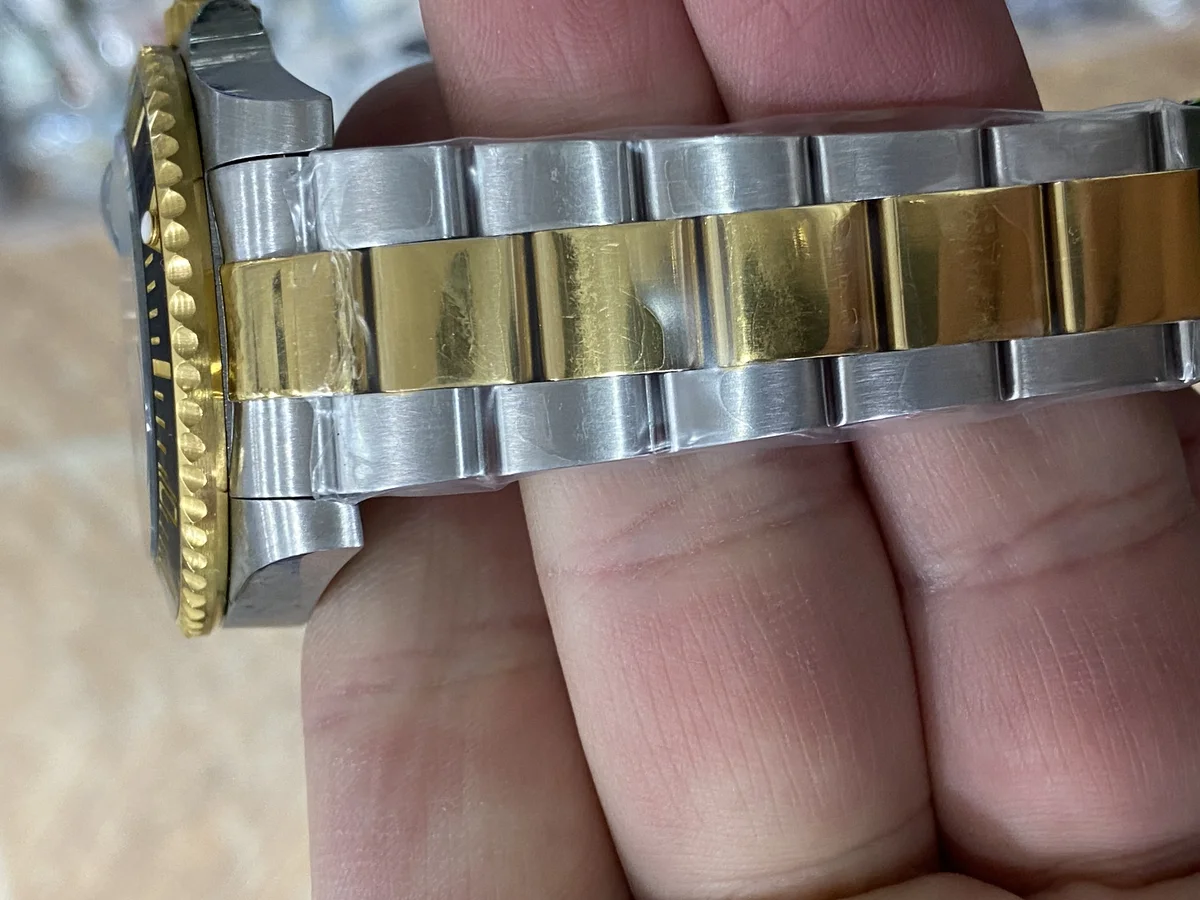
Every Rolex carries a unique “genetic code.” The movement—most commonly the Calibre 3135 in a Submariner or the 4130 in a Daytona—has specific dimensions, jewel counts, and finishing techniques. The case material (904L stainless steel, 18 ct yellow gold, or a two‑tone combination) is alloyed to exacting standards; a counterfeit often uses 316L or plated metal, which you can detect with a simple magnet test (real 904L is non‑magnetic).
Serial numbers are etched, not stamped. On a 2020‑era Submariner, the serial sits between the lugs at 6 o’clock, engraved at a depth of 0.5 mm. Counterfeiters frequently laser‑engrave the numbers, resulting in a shallow, glossy appearance. In my experience, a genuine Rolex’s serial will feel “etched” under a 10× loupe.
1.2 Visual Cues: Dial, Crown, and Bracelet
The dial is the Rolex’s canvas. Genuine dials have perfectly aligned hour markers, a consistent font for the “ROLEX” logo, and flawless chromatic transitions on the “Mercedes” hands. A common red flag is a misaligned minute track on a Datejust—something a factory never allows.
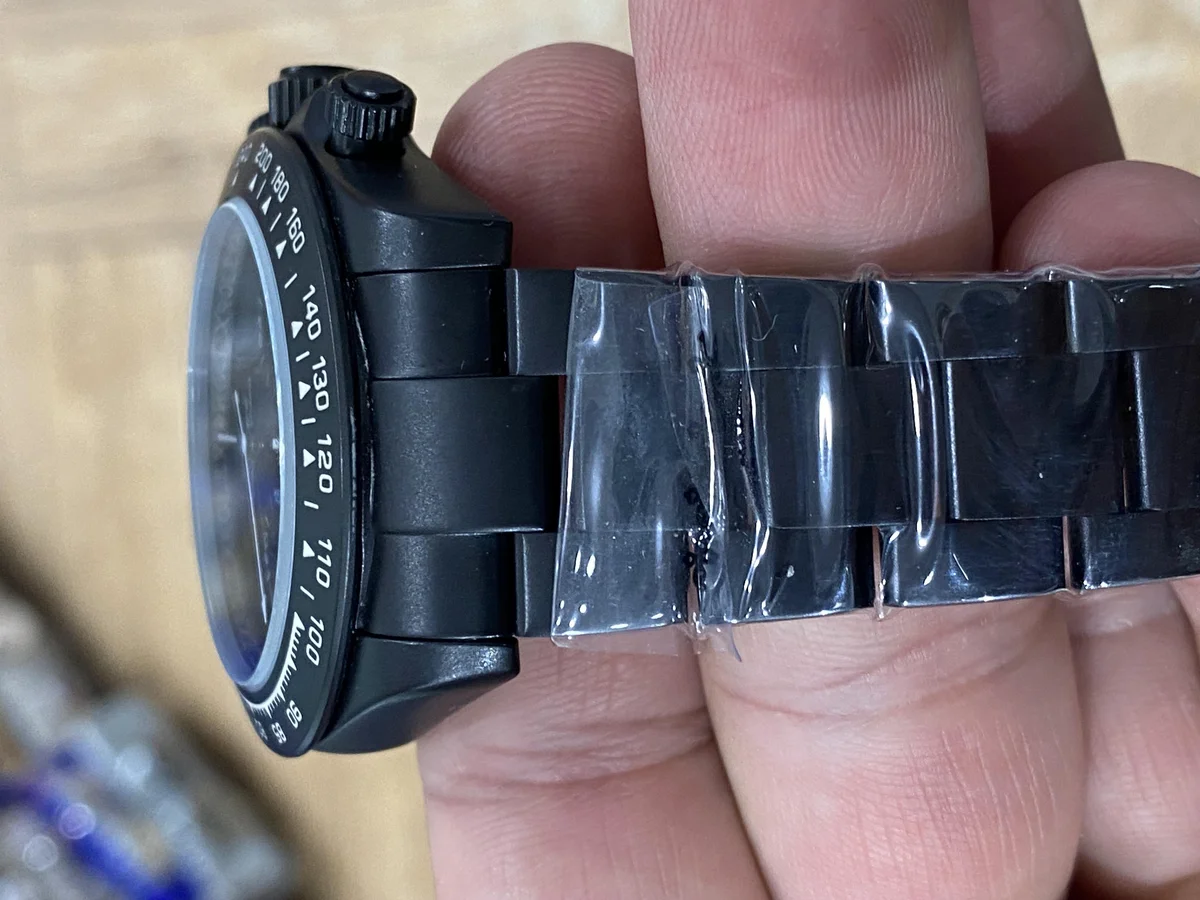
The crown is another hallmark. On a Submariner, the crown’s “Triplock” system includes a screw‑down mechanism with three O‑rings. A counterfeit often has a smooth crown with a simple gasket. The bracelet’s end links should have a polished “R” logo on the inside of each link; missing or poorly stamped logos indicate a fake.
1.3 Paperwork and Provenance
Original warranty cards, service records, and a matching box with a serial‑stamped inner lid are essential. While paperwork can be forged, the serial on the card should match the watch’s case back and the box. In my practice, I’ve seen a counterfeit with a perfectly replicated warranty card but a mismatched serial on the case—a tell‑tale sign.
2. Step‑by‑Step Authentication Process
2.1 Visual Inspection Checklist
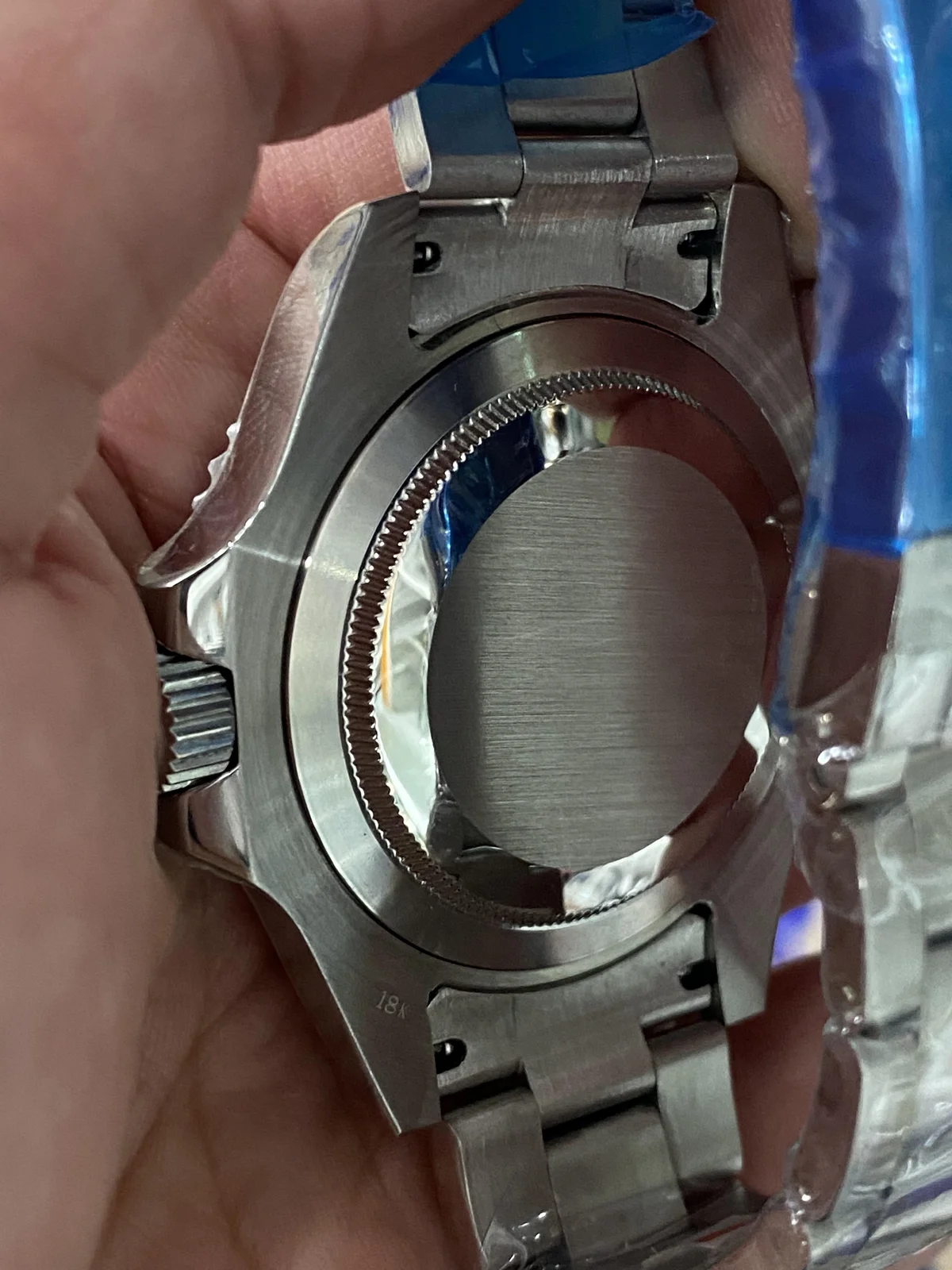
- Check the case back: genuine Rolex case backs are smooth, brushed, and engraved. No “Case Back” text should be present; only the model reference and sometimes a small crown logo.
- Inspect the dial under 10×–30× magnification: look for crisp printing, correct font, and consistent spacing.
- Examine the crown and pushers: ensure the screw‑down crown rotates smoothly and the pushers have a solid feel.
- Verify the bracelet: each link should have the “R” logo, and the clasp should click with a distinct “click‑click” sound.
2.2 Functional Tests
Hook the watch to a timing machine (e.g., the Ronda 5039) and record the amplitude and beat error. Authentic Rolex movements typically show an amplitude of 260–285 degrees on the balance wheel and a beat error under 0.25 seconds. If the watch runs at an irregular rate or has a beat error of 0.5 seconds, suspect a counterfeit or a heavily serviced piece with non‑original parts.
Power reserve is another metric. A brand‑new Submariner with a 3135 movement should hold at least 48 hours when fully wound. A fake often stalls after 12–18 hours.
2.3 Microscopic and Technical Analysis
Using a 100× microscope, examine the sapphire crystal’s anti‑reflective coating. Genuine Rolex crystals have a double‑layer coating with a faint “rainbow” effect at the edges. Counterfeits often have a single‑layer coating, resulting in a dull finish.
Check the lume. Rolex uses Chromalight, which glows a deep blue‑green for up to 8 hours. A fake typically uses Super‑LumiNova, which appears more orange and fades faster.
3. Tools & Resources Every Collector Needs
3.1 Essential Physical Tools
- 10×–30× Loupe: A high‑quality jeweler’s loupe is non‑negotiable for inspecting engravings and dial details.
- Digital Caliper: Measure case thickness (e.g., 12.5 mm for a Submariner) and bracelet link width with ±0.01 mm precision.
- Timing Machine: Devices like the Ronda 5039 or the Swiss Timing Machine 2 cost $1,200–$2,500 and provide objective movement data.
- Magnet Test: A simple neodymium magnet can differentiate 904L steel (non‑magnetic) from 316L (slightly magnetic).
3.2 Digital Databases and Serial Lookup
Websites like rolex.com publish production years for serial ranges. For example, serial numbers 1,200,001–1,300,000 correspond to 2015–2017 models. Cross‑reference this with the watch’s model reference (e.g., 116610LN) to confirm it could have been produced in that year.
WatchBox’s “Watch Registry” and Chrono24’s “Serial Lookup” tools are invaluable for spotting anomalies—especially when a serial falls outside the expected range.
3.3 Trusted Third‑Party Authentication Services
Companies like WatchCSA and ChronoVerified offer professional authentication for $150–$300 per piece. While they’re not a substitute for personal due diligence, a certified report adds a layer of confidence, especially for high‑value transactions (e.g., a 2022 Daytona fetching $55,000 on the secondary market).
4. Common Red Flags & Counterfeit Techniques
4.1 Fake Cases and Counterfeit Dials
Counterfeiters often use CNC‑machined cases that mimic the weight of genuine 904L steel but feel lighter (usually 30–40 g less). A real Submariner weighs about 155 g; a fake may be 115–120 g.
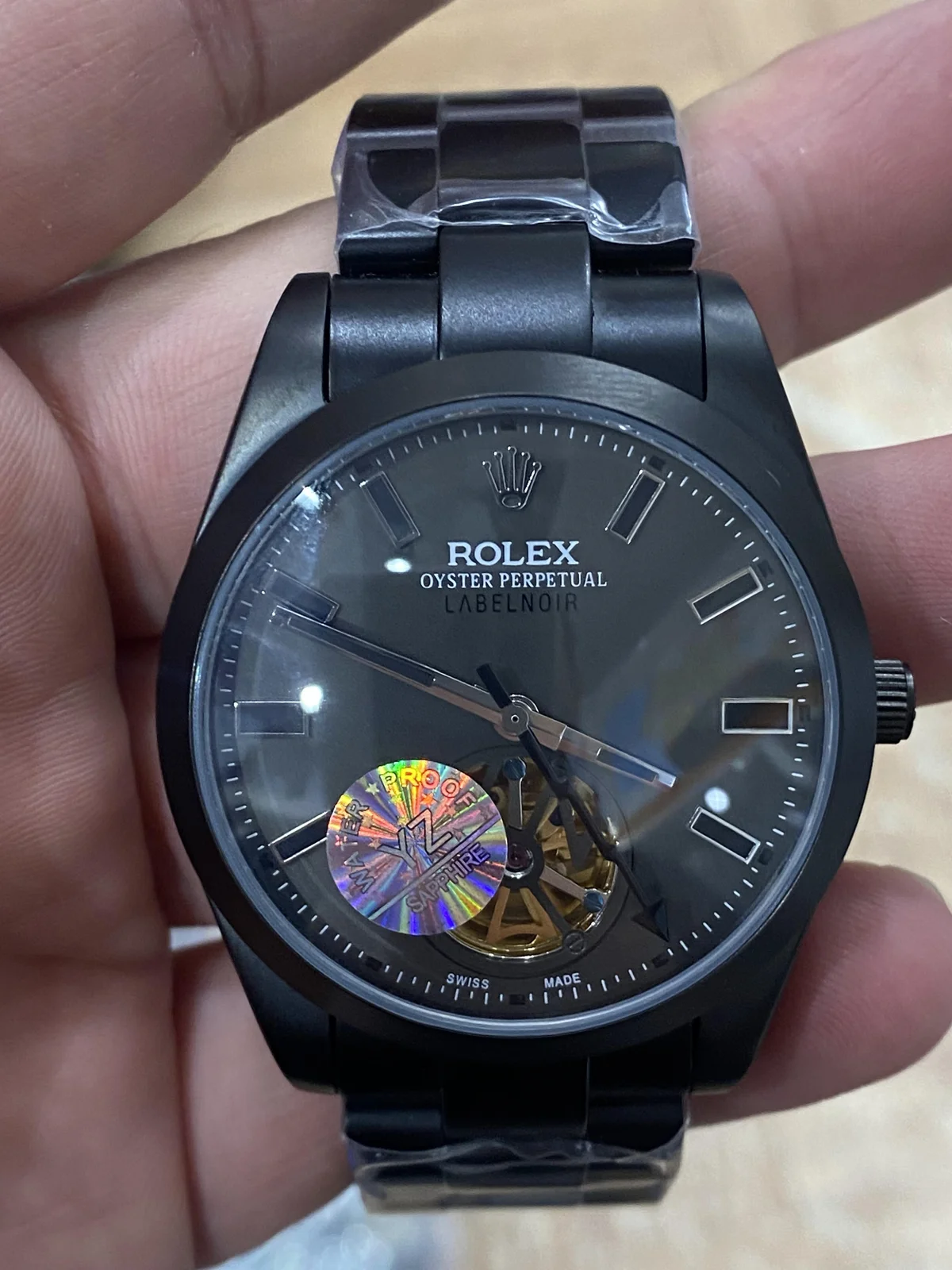
Dials are a hotbed of forgery. Look for uneven font size on the “ROLEX” logo, misaligned date windows, or a “Super‑LumiNova” glow. In my experience, the date wheel’s font on a fake Datejust is often off‑center by 0.2 mm.
4.2 Recycled Parts and Altered Serials
Some fraudsters dismantle authentic watches, replace the movement with a cheaper “homologated” caliber, and re‑engrave the serial. Spotting this requires a movement disassembly—a task best left to a professional watchmaker.
Altered serials may have extra numbers or a different font. Genuine Rolex serials use a consistent “R‑style” font; any deviation is suspect.
4.3 Price Anomalies
If a dealer offers a brand‑new Daytona for $30,000—well below the $55,000 market average—raise eyebrows. While sales can happen under market value, a price that’s 30%–40% lower than the secondary market often signals a counterfeit or a watch missing original parts.
5. Buying Safely: From Online Listings to In‑Person Transactions
5.1 Verifying Sellers
Check the seller’s reputation on platforms like Chrono24, eBay, or specialized forums (e.g., Rolex Forums). Look for a minimum of 10 verified sales and a feedback rating above 4.8/5. A seller who refuses to provide high‑resolution images or a video of the watch running should be avoided.
5.2 Return Policies, Escrow, and Insurance
Use an escrow service (e.g., Escrow.com) that holds funds until you confirm authenticity. For high‑value pieces, purchase shipping insurance for the full retail price—most carriers offer coverage up to $100,000 for a modest fee of 0.5% of the value.
5.3 Pricing Benchmarks
Here’s a quick snapshot of 2023 secondary‑market averages (prices include box and papers):
| Model | Reference | Average Price (USD) | Typical Age |
|---|---|---|---|
| Submariner Date | 126610LN | $9,800 | 2020–2023 |
| Daytona | 116500LN | $55,000 | 2016–2023 |
| Datejust 41 | 126300 | $8,200 | 2021–2023 |
| GMT‑Master II | 126710BLRO | $12,500 | 2020–2023 |
5.4 Practical In‑Person Checks
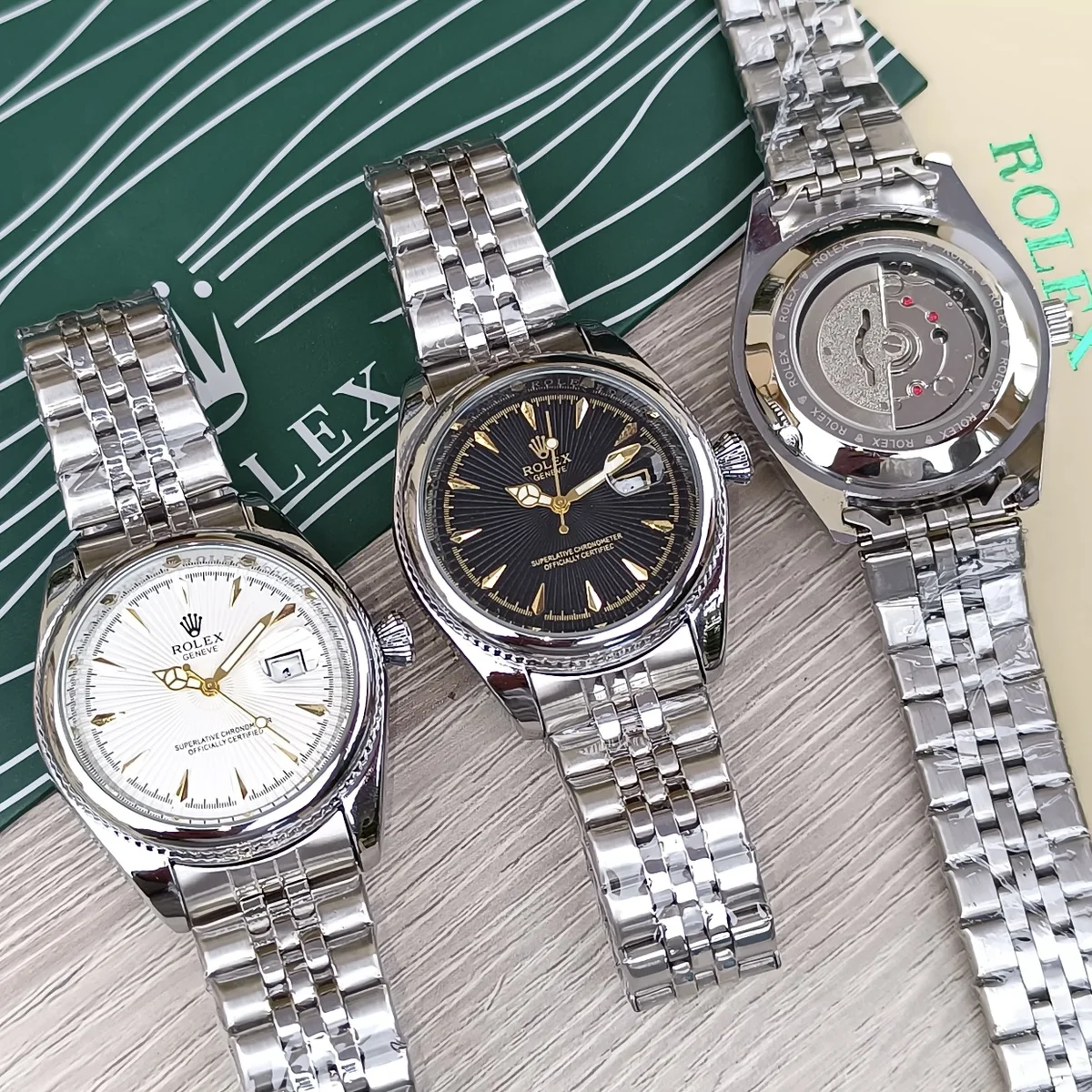
When meeting a seller in person, bring a portable loupe, a digital caliper, and a magnetic tester. Perform the visual checklist on the spot, and ask the seller to open the case back. A genuine Rolex will have a smooth, polished interior with a clean “ROLEX” engraving; a fake often has a rough, unfinished finish.
Pro Tips from Our Experience
- Don’t trust “perfect” condition alone. A brand‑new-looking watch might be a refurbished fake. Always verify the movement.
- Use the “Three‑Point Test.” Combine visual inspection, functional testing, and serial verification. If any point fails, walk away.
- Keep a reference collection. Photographs of your own authentic pieces (case back, dial, crown) serve as a baseline for future purchases.
- Know the market cycles. Rolex prices often dip 5%–10% after a new model release; buying during these windows can save you thousands.
- Leverage community expertise. Post high‑resolution images on forums; seasoned collectors frequently spot subtleties you might miss.
Conclusion: Your Roadmap to Confident Rolex Ownership
Authenticating a Rolex is part science, part art. By mastering the visual cues, employing reliable tools, and respecting the market’s pricing realities, you transform uncertainty into expertise. Use this rolex authentication complete guide as your checklist before every purchase, and you’ll safeguard your investment while enjoying the timeless allure of a genuine Rolex.
Remember, a watch is more than a price tag—it’s a legacy. Guard that legacy with diligence, and the watch will reward you with precision and prestige for generations to come.
How can I tell if the serial number on a Rolex matches the box?
Compare the serial engraved on the case back (or between the lugs for post‑2005 models) with the serial printed on the inner lid of the box and the warranty card. All three should be identical and use the same engraved font. Any discrepancy, especially a laser‑etched number on the watch but a stamped number on the box, indicates a potential fake.
What tools are essential for a first‑time Rolex buyer?
A 10×–30× loupe, a digital caliper, a non‑magnetic neodymium magnet, and a basic timing machine (or access to one at a reputable watchmaker) cover 90% of authentication needs. For deeper analysis, a 100× microscope and a UV light can reveal coating and lume details.
Are online authentication services reliable?
Professional services like WatchCSA and ChronoVerified are reputable and provide a written report with photos. They are reliable for most models, but they cannot guarantee that all internal parts are original unless a full movement disassembly is performed, which is usually beyond their scope.
What price deviation should raise a red flag?
If a listing is more than 20%–30% below the current secondary‑market average for the same reference, age, and condition, treat it as a red flag. Genuine Rolexes rarely sell at such discounts unless there is clear evidence of missing papers, non‑original parts, or a damaged condition.
Can I authenticate a Rolex without opening the case back?
A thorough visual and functional inspection can identify most fakes, but some counterfeit techniques involve swapping movements while keeping the original case. Opening the case back and examining the movement provides the most definitive verification, especially for high‑value pieces.
2 réflexions au sujet de “Best Rolex Authentication Complete Guide Ideas That Actually Work”