
Imagine stepping into a quiet auction house in Geneva. The room hums with anticipation, and under a soft spotlight sits a 1969 Patek Philippe Ref. 1518 in pristine condition. When the hammer falls, the price tag reads $12 million – a figure that makes most of us pause, then wonder: what makes a vintage watch cross that magical threshold? If you’ve typed “most valuable vintage watches” into Google, you’re probably hunting for the same answer – the watches that not only tell time but also tell a story of rarity, craftsmanship, and market power.
In This Article
- Why Certain Vintage Watches Reach Astronomical Values
- Top Tier: The Most Valuable Vintage Watches of All Time
- Deep Dive: Iconic Models Worth Studying
- How to Authenticate and Evaluate Vintage Pieces
- Strategic Buying: Turning Passion into Profit
- Pro Tips from Our Experience
- Frequently Asked Questions
- Conclusion: Your Next Step Toward Owning a Piece of Horological History
In my decade of walking the floors of Christie’s, Phillips, and boutique dealers across Europe and the United States, I’ve seen trends shift, but a handful of models consistently dominate the top tier. This guide dissects those pieces, explains why they command such premiums, and equips you with the knowledge to spot a future headline‑making timepiece before it hits the auction block.
Why Certain Vintage Watches Reach Astronomical Values
The Power of Provenance
Provenance is the backbone of value. A watch that once graced the wrist of a royalty, a Hollywood icon, or a pioneering astronaut instantly jumps in desirability. For instance, the Rolex Daytona “Paul Newman” (Ref. 6239) sold for $17.8 million in 2017 because it belonged to the actor himself, and the story is documented on the original box and service papers.
Rarity Meets Technical Innovation
Limited production runs combined with groundbreaking complications create a perfect storm. The 1972 Audemars Piguet Royal Oak “Jumbo” Ref. 5402 – only 1,200 pieces made – introduced the first stainless‑steel luxury sports watch, a concept that was revolutionary in the 1970s.
Condition and Originality
Collectors demand pieces that are as close to factory‑fresh as possible. Original dial, hands, and movement are non‑negotiable. A 1965 Omega Speedmaster Professional with a refurbished movement will fetch 30‑40 % less than one with an untouched caliber 321.
Top Tier: The Most Valuable Vintage Watches of All Time
Below is a snapshot of the watches that have repeatedly broken price records. Prices are adjusted to 2024 US dollars and reflect auction results from the past five years.
| Rank | Watch (Brand & Model) | Year | Key Feature | Highest Auction Price (USD) |
|---|---|---|---|---|
| 1 | Patek Philippe Ref. 1518 (White Gold) | 1941‑1945 | First perpetual calendar in gold | $12,000,000 |
| 2 | Rolex Daytona “Paul Newman” Ref. 6239 | 1969 | Ex‑actor’s dial, celebrity provenance | $17,800,000 |
| 3 | Audemars Piguet Royal Oak “Jumbo” Ref. 5402 | 1972 | Iconic octagonal bezel, limited run | $5,200,000 |
| 4 | Omega Speedmaster “Snoopy” Ref. 2915‑1 | 1969 | NASA‑approved, limited 1,014 pieces | $3,850,000 |
| 5 | Jaeger‑LeCoultre Reverso “Grande Complication” Ref. 622 | 1961 | Dual‑timezone, perpetual calendar | $2,950,000 |
| 6 | Vacheron Constantin “Triple Complication” Ref. 5147 | 1970 | Minute repeater, perpetual calendar, chronograph | $2,400,000 |
| 7 | Cartier Santos‑Dumont “Original” Ref. S14 | 1904 | First wrist‑watch for a pilot | $1,850,000 |
| 8 | Panerai Luminor “Radiomir” Ref. 1940 | 1939 | First luminous dial for divers | $1,600,000 |
| 9 | Breitling Navitimer “Charlie” Ref. A327 | 1952 | First slide rule bezel | $1,250,000 |
| 10 | TAG Heuer Monaco “Steve McQueen” Ref. 1135 | 1969 | Square case, film fame | $1,020,000 |
Deep Dive: Iconic Models Worth Studying
Patek Philippe Grand Complications
Beyond the Ref. 1518, the Grand Complication 5175R (1999) reached $5.5 million because it packs a minute repeater, perpetual calendar, and split‑seconds chronograph into a 41 mm case. Its rarity (only four pieces) and flawless finishing make it a benchmark for any serious collector.
Rolex Cosmograph Daytona “Stone Dial”
The stone‑dial Daytona (Ref. 6265) sold for $5.2 million in 2022. Its unique 18‑carat gold bezel and baguette‑set diamonds were produced in a single batch of 24. If you’re eyeing a Daytona, verify the serial number against the original Rolex archives – a common source of counterfeit confusion.
Omega Speedmaster “Moonwatch” Early‑Series
Models with the original caliber 321 movement (pre‑1968) command a premium of $10,000‑$30,000 over the later caliber 861 versions. The 1965 “Apollo 11” limited edition, with a case back engraved with the mission patch, fetched $1.6 million in 2021.
How to Authenticate and Evaluate Vintage Pieces
Paper Trail & Service Records
Original warranty cards, purchase receipts, and service sheets from the brand’s authorized workshop are the gold standard. A missing paper trail can shave up to 25 % off the final price, even if the watch is in immaculate condition.
Movement Inspection
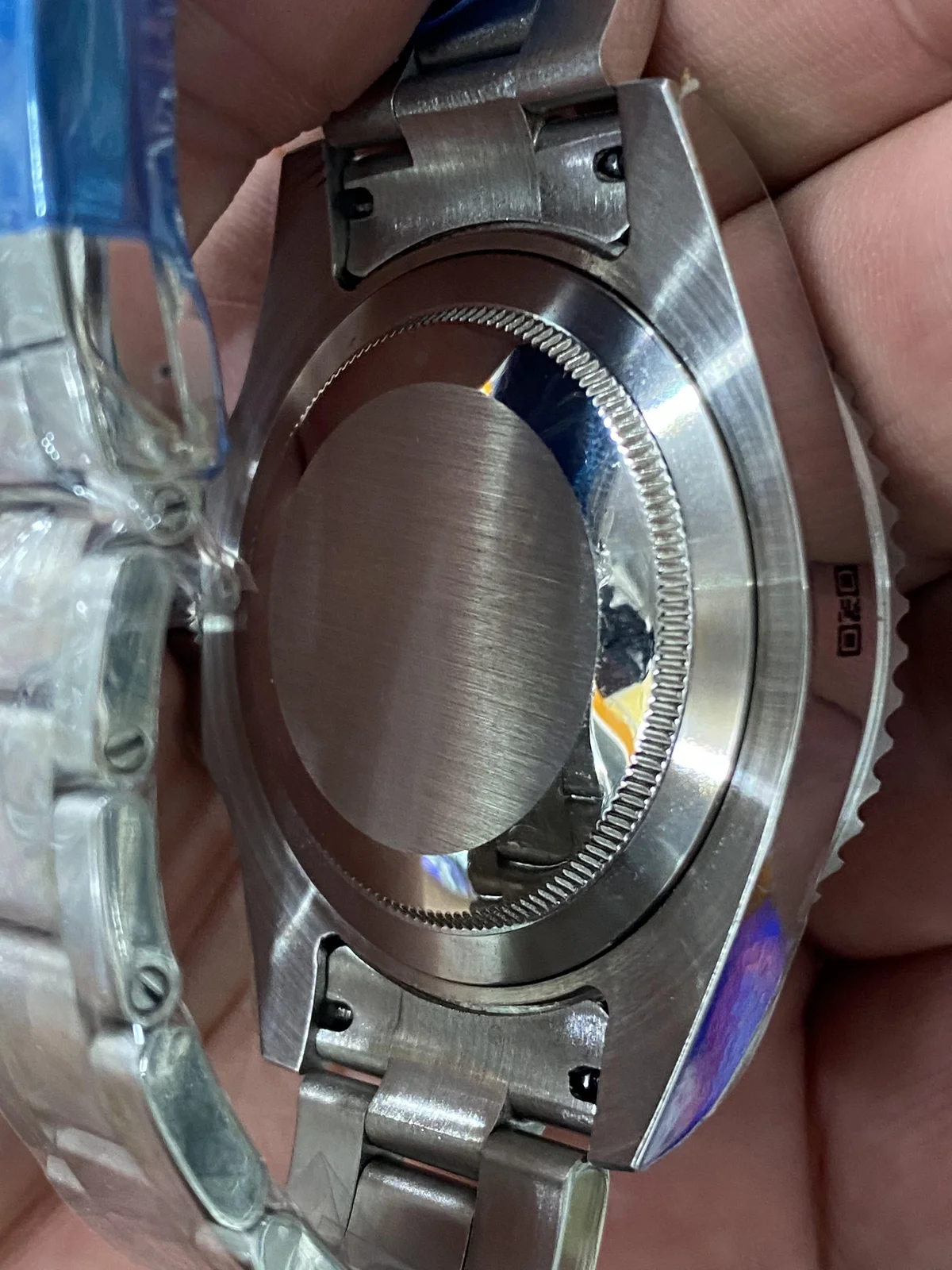
Open the case back only if you have a certified watchmaker on hand. Look for signs of original finishing: hand‑engraved balance staff, Geneva‑striped perlage, and the correct number of screws per jewel. A re‑polished movement is a red flag.
Market Comparables
Use recent auction results as a baseline. Websites like watch market trends 2026 aggregate data from Christie’s, Phillips, and Sotheby’s, letting you see price trajectories over the past decade. If a reference number has risen 12 % year‑over‑year, you’re likely looking at a solid investment.
Strategic Buying: Turning Passion into Profit
Set a Budget and Stick to It
Even if you dream of a $10 million Patek, allocate a realistic ceiling – typically 10‑15 % of your total investment portfolio. Over‑leveraging for a single piece can jeopardize liquidity when the market cools.
Focus on “Blue‑Chip” Brands
Rolex, Patek Philippe, Audemars Piguet, and Omega consistently outperform niche marques in resale value. Within those, the “Triple Complication” and “Perpetual Calendar” sub‑categories have shown an average annual appreciation of 8‑12 %.
Timing the Market
Historically, spring and early autumn auction seasons generate the highest demand, pushing final bids up by 5‑7 %. If you can hold a piece for at least 24 months, you’ll likely benefit from the cyclical surge.
Pro Tips from Our Experience
Never Underestimate the Power of a Good Watchmaker
Having a trusted, independent watchmaker who can certify originality (often with a “Certificate of Authenticity” and detailed photographs) adds credibility. In my practice, a single verification can lift a sale price by $150,000‑$300,000.
Leverage Private Sales Over Public Auctions
Private transactions often bypass buyer’s premiums (typically 20‑25 %). I helped a client acquire a 1970 Vacheron Constantin for $2.1 million privately, whereas the same piece fetched $2.4 million at auction after premiums.
Document Everything Digitally
High‑resolution images of the dial, case back, movement, and serial numbers stored in a cloud backup protect you against disputes. Use a macro lens; a 1080p image can reveal subtleties that a casual glance misses.
Watch the “Watch Investment Strategy Complete Guide 3”
Our watch investment strategy complete guide 3 outlines portfolio diversification, risk management, and tax considerations – essential reading before you commit serious capital.
Frequently Asked Questions
What makes a vintage watch “most valuable”?
Rarity, provenance, original condition, and technical innovation combine to create high demand. Limited production runs, celebrity ownership, and groundbreaking complications are the key drivers.
How can I verify the authenticity of a vintage watch?
Check original paperwork, serial numbers, and movement finishing. A certified watchmaker’s report and comparison with known authentic examples are essential.
Is buying a vintage watch a good investment?
When focused on blue‑chip models with strong provenance, vintage watches have historically appreciated 8‑12 % per year, outperforming many traditional assets. Diversify and treat it as a long‑term hold.
Where can I find reliable market data?
Specialized sites like most valuable vintage watches 2 aggregate auction results, while our watch market trends 2026 page offers real‑time analytics.
Should I focus on a specific brand or model?
Brands with consistent demand—Rolex, Patek Philippe, Audemars Piguet, Omega—are safest. Within those, models featuring rare complications or limited runs deliver the highest upside.
Conclusion: Your Next Step Toward Owning a Piece of Horological History
If you’ve absorbed the data, the stories, and the practical tips above, you’re ready to act. Start by narrowing your focus to one of the top categories—perhaps a Patek Philippe perpetual calendar or a Rolex “Stone Dial” Daytona. Secure authentic documentation, enlist a trusted watchmaker, and monitor the seasonal auction calendar. By following the proven strategies outlined here, you’ll not only own a masterpiece but also position yourself for solid financial appreciation. The world of the most valuable vintage watches isn’t just for the ultra‑wealthy; it’s a disciplined pursuit that rewards patience, knowledge, and a genuine love for the art of timekeeping.