
Ever wondered why a single timepiece can feel like a passport to a different era, a conversation starter, and a solid investment all at once?
In This Article
- What You Will Need Before You Start Luxury Watch Buying
- Step 1: Define Your Primary Purpose
- Step 2: Choose the Right Brand and Model
- Step 3: Verify Movement Authenticity
- Step 4: Assess Fit and Comfort
- Step 5: Negotiate and Secure the Purchase
- Common Mistakes to Avoid in Luxury Watch Buying
- Tips for Best Results and Ongoing Care
- Frequently Asked Questions
- Summary: Your Roadmap to Confident Luxury Watch Buying
What You Will Need Before You Start Luxury Watch Buying
Before you dive into the world of luxury watch buying, gather these essentials:
- Budget clarity – know the maximum you’re willing to spend. For most first‑time buyers, $3,000‑$12,000 is a comfortable range, though iconic pieces like a Cartier Panthère can easily top $30,000.
- Research tools – a notebook or digital spreadsheet to log models, prices, and specs.
- Trusted dealer list – authorized boutiques, reputable secondary‑market platforms (Chrono24, WatchBox), or accredited vintage shops.
- Understanding of key terms – movement type (automatic, manual, quartz), case material (stainless steel, 18K gold, titanium), water resistance, and complication count.
- Time – at least a few weeks of comparison; patience pays off.
Step 1: Define Your Primary Purpose
Ask yourself what you want the watch to do for you. Is it daily wear, a formal statement, a travel companion, or a future heirloom? Your purpose will dictate brand, case size, and complications.
In my experience, a client who wanted a versatile piece for both board meetings and weekend sailing ended up with a Rolex GMT‑Master II (steel, 40 mm, 100 m water resistance) priced around $9,800 new. The dual‑time zone feature and robust build matched his globe‑trotting lifestyle perfectly.
Step 2: Choose the Right Brand and Model
Luxury watch buying is as much about heritage as it is about specifications. Below is a quick reference table:
| Brand | Signature Model | Typical Price (USD) | Case Size | Key Complication |
|---|---|---|---|---|
| Rolex | Submariner | $9,200‑$10,500 | 41 mm | Date, 300 m water‑resistance |
| Audemars Piguet | Royal Oak “Jumbo” | $22,000‑$28,000 | 41 mm | Automatic, 60‑hour power reserve |
| Patek Philippe | Calatrava | $25,000‑$35,000 | 39 mm | Manual‑wind, ultra‑thin profile |
| Omega | Speedmaster Professional “Moonwatch” | $5,350‑$6,200 | 42 mm | Chronograph, 48‑hour power reserve |
| Jaeger‑LeCoultre | Reverso Classic | $7,800‑$9,500 | 42 mm (flipped) | Art Deco reversible case |
If you’re hunting for a watch under $10,000, see my best luxury watches under 10000 2026 edition 2 for curated options.
Step 3: Verify Movement Authenticity
The heart of a luxury watch is its movement. Here’s what to check:
- Serial and model numbers – engraved on the case back; cross‑reference with the manufacturer’s database.
- Service history – a full service within the last 3‑5 years adds credibility.
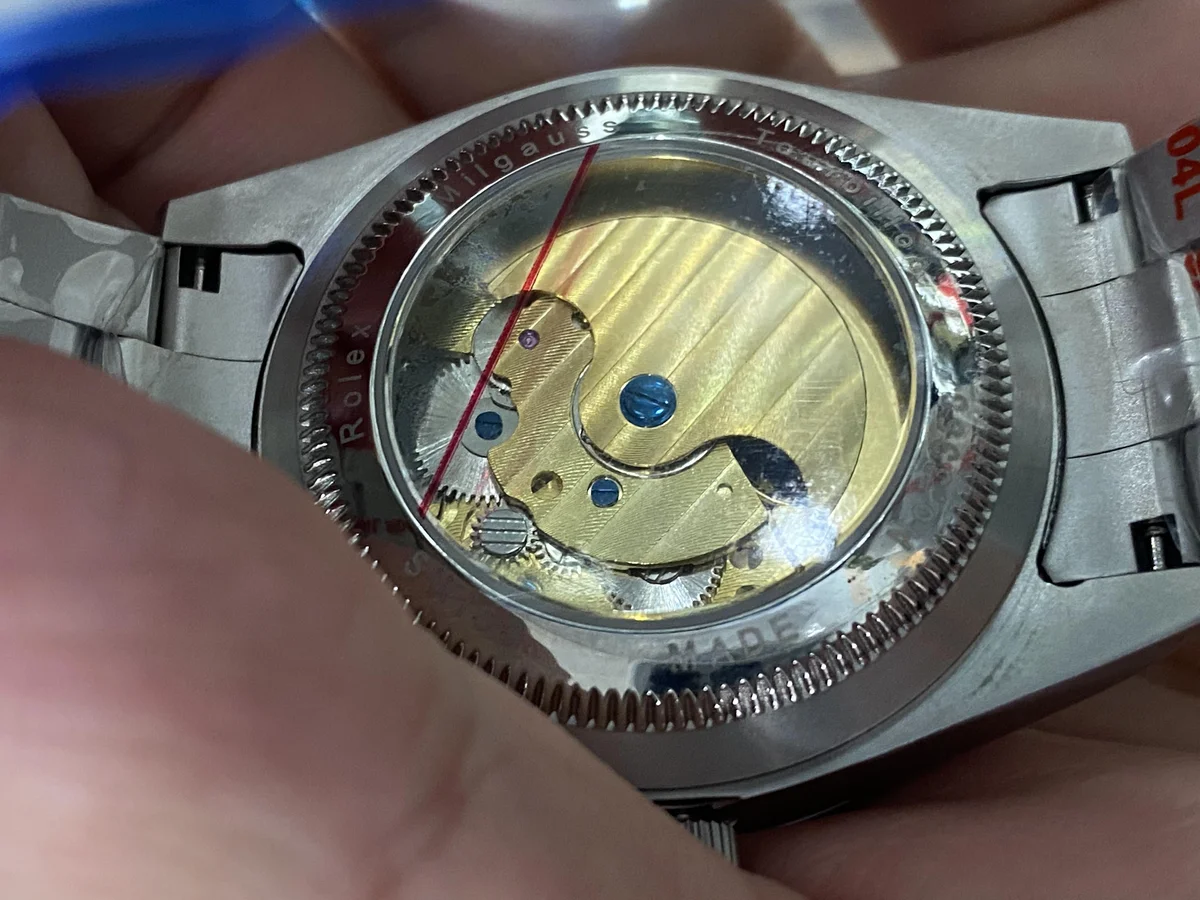
- Oscillating weight – a genuine automatic movement will have a visible rotor that swings when you move the watch.
One mistake I see often is buyers focusing solely on the dial’s aesthetics while ignoring a cheap, aftermarket movement. It can shave $2,000 off the price but will cost you tenfold in reliability.
Step 4: Assess Fit and Comfort
Try the watch on your wrist. A 40‑mm case looks balanced on a 7‑inch wrist; larger 44‑mm cases can feel bulky unless you have a larger frame. Measure your wrist circumference (most men’s watches fit 6‑7.5 inches, women’s 5‑6 inches). Adjust the bracelet or strap accordingly; a well‑fitted watch should sit snugly without pinching.
Step 5: Negotiate and Secure the Purchase
When you’ve narrowed down to a model, follow these steps:
- Request a detailed invoice showing serial numbers and warranty terms.
- Ask for a 30‑day return window – reputable dealers usually offer this for new watches.
- Consider pre‑owned options – a lightly used Omega Seamaster 300 (steel, 41 mm) can be found for $5,200, saving you 15‑20% off retail.
- Secure payment – use a credit card or escrow service to protect against fraud.
Common Mistakes to Avoid in Luxury Watch Buying
- Chasing trends instead of personal style – the “big‑case” craze fades; a classic 38‑40 mm dress watch retains value longer.
- Ignoring service costs – a full service for a Patek Philippe can run $1,200‑$1,500 every 3‑5 years.
- Overlooking authenticity paperwork – always ask for original box, warranty card, and a certificate of authenticity.
- Buying without a resale plan – if you anticipate selling later, choose models with strong secondary‑market demand, like the Rolex Submariner or Audemars Piguet Royal Oak.
- Neglecting water resistance ratings – a watch marketed as “sport” should have at least 100 m (10 ATM) if you plan any swimming or snorkeling.
Tips for Best Results and Ongoing Care
To keep your investment pristine:
- Rotate between two watches – reduces wear on the bracelet and gives the movement time to settle.
- Store in a watch winder if you own automatic pieces; a 1‑hour/day program mimics natural motion.
- Clean the case regularly with a soft microfiber cloth and a mild soap solution; avoid ultrasonic cleaners on vintage pieces.
- Schedule a service at the manufacturer’s service center every 4‑5 years, even if the watch runs perfectly.
- Document everything – keep receipts, service reports, and a photo log of the watch’s condition.
For pilots or frequent travelers, the best pilot watches 2026 offer luminous markers and robust cases that survive extreme altitude changes.
Frequently Asked Questions
What is the best time to buy a luxury watch for the lowest price?
Watch prices dip after major releases (typically Q3‑Q4) and during seasonal sales events such as Black Friday. Authorized dealers may offer 5‑10% off on pre‑owned certified‑pre‑owned pieces during these windows.
How can I verify that a pre‑owned watch is authentic?
Check the serial number against the brand’s database, inspect the movement for brand‑specific engravings, and request original paperwork. A reputable seller will also provide a third‑party authentication report (e.g., from WatchCSA).
Do I need a watch winder for automatic watches?
A winder is optional but beneficial if you rotate between multiple watches. It prevents the lubricants from congealing and keeps the watch ready to wear at any moment.
Which luxury watch holds its value best?
Historically, Rolex Submariner, Rolex Daytona, and Audemars Piguet Royal Oak have shown the strongest resale performance, often appreciating 5‑15% over five years depending on condition and rarity.
Can I wear a luxury watch while exercising?
Only if the watch is rated for at least 100 m (10 ATM) water resistance and has a sapphire crystal. Even then, avoid excessive shock; a dedicated sport model like the Omega Seamaster Planet Ocean is a safer choice.
Summary: Your Roadmap to Confident Luxury Watch Buying
Luxury watch buying isn’t just a purchase; it’s an entry into a community of craftsmanship, history, and personal expression. By defining your purpose, setting a realistic budget, researching brands and movements, and insisting on authenticity paperwork, you’ll walk away with a timepiece that serves both your wrist and your portfolio.
Remember: the right watch feels like an extension of yourself. Test it, love it, and treat it with the care of a true connoisseur. Happy hunting!
For those curious about how a smartwatch compares in daily utility, check out our apple watch overview.
1 réflexion au sujet de « How to Luxury Watch Buying (Expert Tips) »