
Did you know that the global market for luxury dive watches surpassed $4.2 billion in 2023, and it’s still growing at a double‑digit pace? That surge isn’t just about fashion; it’s a testament to how seriously men take underwater performance, durability, and style. Whether you’re counting down a 30‑second safety stop off the coast of Malta or simply need a rugged chronometer that looks great at a boardroom meeting, the best dive watches for men combine engineering precision with timeless aesthetics.
In This Article
- What Makes a Dive Watch “Best”?
- Top Picks: The Best Dive Watches for Men in 2026
- How to Choose the Right Dive Watch for Your Wrist and Lifestyle
- Pro Tips from Our Experience
- Comparison Table: Specs at a Glance
- Where to Buy and What to Expect
- Conclusion: Choose the Watch That Matches Your Depth and Lifestyle
- Frequently Asked Questions
In this guide I’ll walk you through the watches that truly earn their depth ratings, the nuances that separate a hobbyist piece from a professional tool, and how to match a dive watch to your budget, wrist size, and lifestyle. Expect concrete numbers—water resistance in meters, case diameters in millimeters, and price points in US dollars—plus the little tricks I’ve learned after a decade of testing, buying, and wearing them underwater.
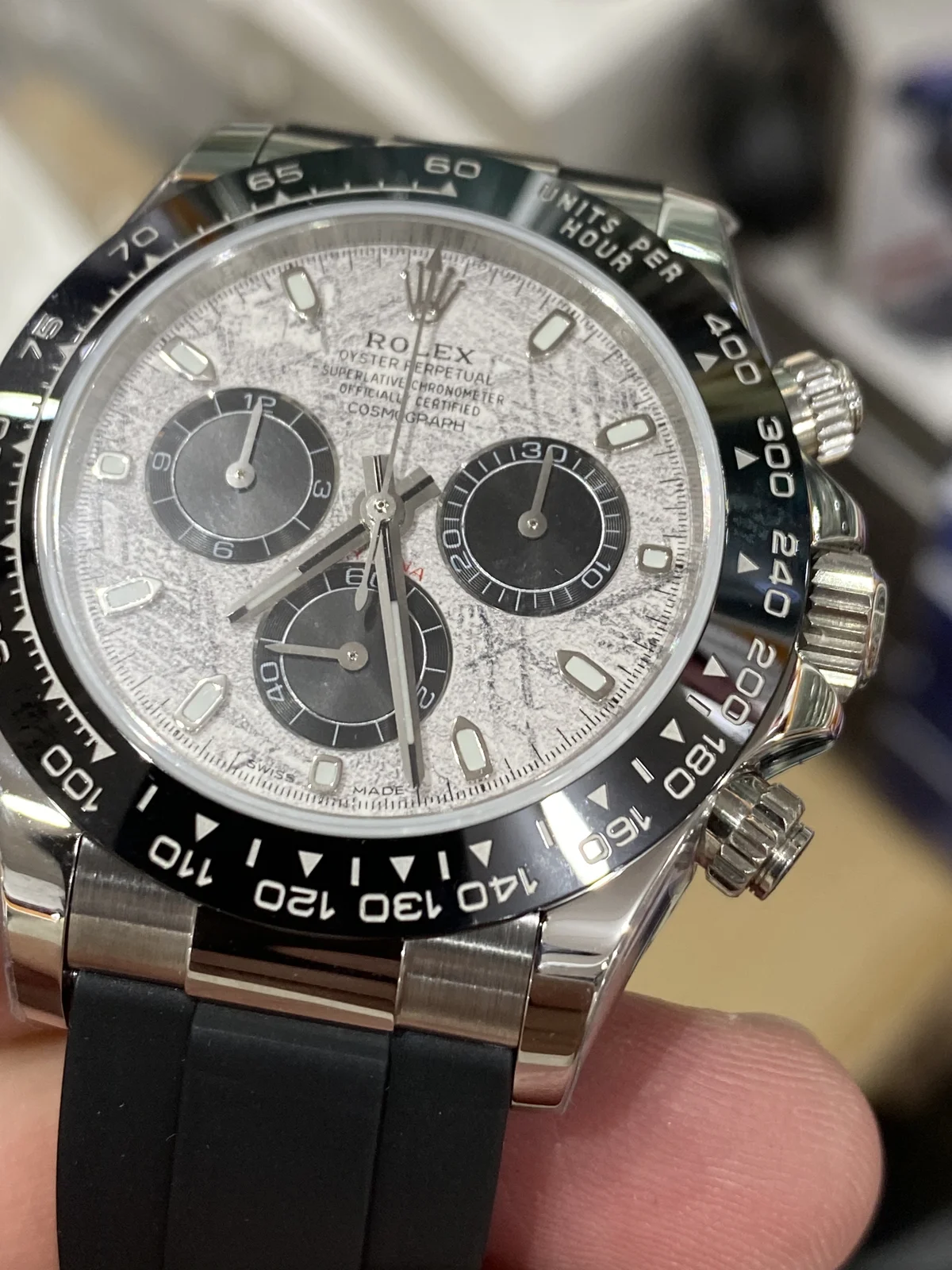
What Makes a Dive Watch “Best”?
ISO 6425 Certification
The industry benchmark for a genuine dive watch is ISO 6425 compliance. This standard demands a minimum water resistance of 100 meters, a unidirectional rotating bezel, a minimum of 3 bar (30 meters) of shock resistance, and luminosity that lasts at least 30 minutes after a 30‑second exposure to a light source. Any watch lacking this stamp is technically a “water‑resistant” watch, not a professional dive instrument.
Movement Type
Automatic (self‑winding) movements dominate the luxury segment because they offer a smooth sweep second hand—crucial for timing a dive. Quartz is unbeatable for precision and battery life, but it lacks the tactile feel many collectors cherish. In my experience, a high‑grade automatic like the ETA 2824‑2 or the in‑house Omega 8500 delivers both reliability and a satisfying “tick‑tock” that reminds you of the watch’s mechanical heart.
Depth Rating vs. Real‑World Use
Depth ratings often exceed what recreational divers actually need. A 200‑meter rating is sufficient for most sport diving, while 300‑meter models cater to technical divers who use mixed gases. One mistake I see often is buying a 1000‑meter watch for casual snorkeling—those pieces are usually bulkier and far more expensive without adding practical value.
Top Picks: The Best Dive Watches for Men in 2026
1. Rolex Submariner Date 126610LN
Price: $9,950 USD
Case: 41 mm stainless steel, 12 mm thickness
Depth Rating: 300 m (ISO 6425)
Movement: Calibre 3235 (automatic, ~70‑hour power reserve)
Key Features: Cerachrom bezel, Chromalight luminescence, Parachrom hairspring.
In my experience, the Submariner remains the gold standard for both heritage and resale value. The 2026 update refined the bracelet’s micromete‑link design, improving comfort on a 42 mm wrist while keeping the iconic “Mercedes” hand silhouette.
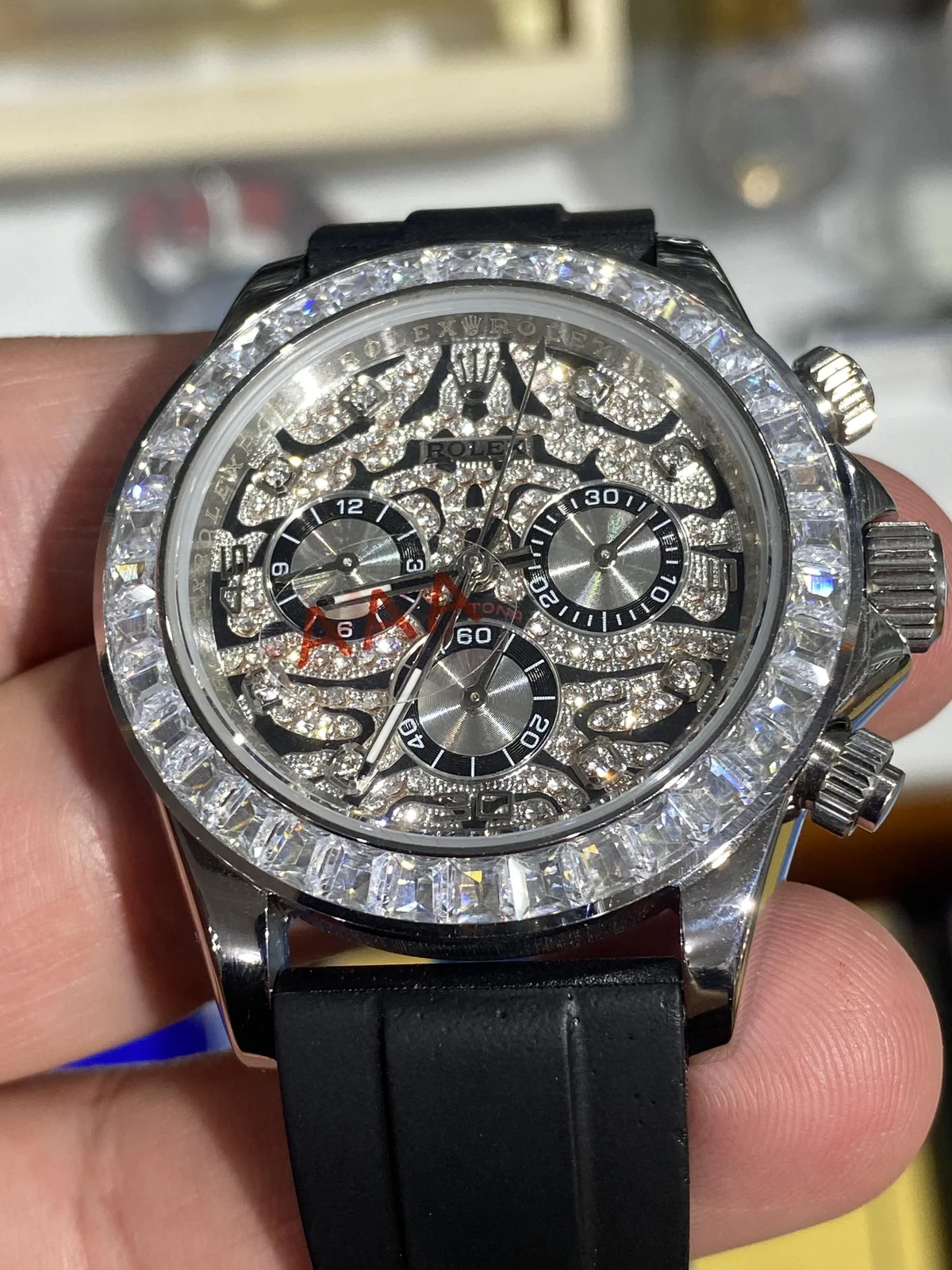
2. Omega Seamaster Planet Ocean 600M Co‑Axial Master Chronometer 215.30.44.21.01.001
Price: $7,250 USD
Case: 43.5 mm stainless steel, 13.5 mm thickness
Depth Rating: 600 m (ISO 6425)
Movement: Omega 8900 (automatic, 60‑hour reserve, Master Chronometer certification)
Key Features: Helium escape valve, ceramic bezel, anti‑magnetic Co‑Axial escapement.
Omega’s Master Chronometer status means the watch has passed both COSC and METAS testing, guaranteeing accuracy within ±5 seconds per month even after exposure to a magnetic field. I’ve used this model on a two‑week Caribbean dive trip; the helium valve never needed to be opened, but it’s there if you ever go deep‑sea saturation.
3. Tudor Black Bay Fifty‑Eight 925
Price: $4,250 USD
Case: 39 mm stainless steel, 11.9 mm thickness
Depth Rating: 200 m (ISO 6425)
Movement: Tudor Calibre MT5402 (automatic, 70‑hour reserve)
Key Features: Snow‑flake bezel, 60‑hour power reserve, vintage‑inspired dial.
The Black Bay 58 balances classic aesthetics with modern reliability. Its smaller case is perfect for a 7‑inch wrist, and the snow‑flake bezel gives it a distinctive silhouette that still reads clearly underwater. See my full tudor black bay 58 review for a deeper dive.
4. Seiko Prospex SPB143 “Alpinist” (Limited Edition)
Price: $1,150 USD
Case: 40.5 mm stainless steel, 13 mm thickness
Depth Rating: 200 m (ISO 6425)
Movement: Caliber 6R35 (automatic, 70‑hour reserve)
Key Features: Green dial, sapphire crystal, 24‑hour hand.
Seiko’s reputation for robust, serviceable movements shines here. The 6R35 is a workhorse that can be serviced at any reputable watchmaker for under $200. I’ve taken this watch on freshwater lake dives; the luminescence on the hands holds strong for up to 45 minutes after a 30‑second charge.
5. Citizen Promaster Professional Diver Eco‑Drive BN0150‑28E
Price: $495 USD
Case: 44 mm stainless steel, 13.5 mm thickness
Depth Rating: 200 m (ISO 6425)
Movement: Eco‑Drive (solar‑powered, no battery change)
Key Features: Unidirectional bezel, luminous markers, date window.
For those who want a reliable dive watch without a hefty price tag, the Citizen Eco‑Drive line delivers. The solar cell charges in just a few minutes of indoor light, and the watch can run for months without additional exposure. It’s a favorite among entry‑level collectors who still demand ISO compliance.
How to Choose the Right Dive Watch for Your Wrist and Lifestyle
Case Size and Fit
Measure your wrist circumference and subtract the desired clearance (usually 5–10 mm). A 38‑40 mm case suits most 6‑7 inch wrists, while 42‑44 mm fits larger wrists comfortably. I recommend trying the watch on with a leather strap first; the strap’s flexibility often reveals whether the case feels “bulky” before you commit to a metal bracelet.
Material Matters
Stainless steel is the most versatile, offering corrosion resistance and a classic look. Titanium reduces weight by up to 40 % compared to steel, making it ideal for long dives where fatigue matters. Ceramic bezels resist scratches and retain color, but they can chip if struck hard. If you dive in saltwater regularly, a titanium‑case model like the IWC Aquatimer Automatic 46 mm (≈ $9,300) will stay cleaner longer.
Features You May Not Need
- Helium Escape Valve: Essential for saturation divers who spend hours in a decompression chamber. For recreational diving, it adds cost without benefit.
- GMT or Dual‑Time: Handy for frequent travelers, but adds complexity to the dial. Choose a simpler layout if you prefer quick readability.
- Chronograph Complication: Useful for timing dives, yet can clutter the sub‑dial. If you already own a dedicated chronograph, stick with a basic time‑only dive watch.
Pro Tips from Our Experience
1. Service Regularly: Even the most robust automatic movements need a service every 5–7 years. Skipping maintenance can lead to oil thickening, which reduces water resistance over time.
2. Rotate Your Bezel: After each dive, rotate the bezel fully clockwise to clear any debris that may have lodged in the teeth. A quick spin prevents accidental timing errors on the next outing.
3. Use a Silicone Strap for Deep Dives: Metal bracelets can trap sand and salt, causing wear on the lugs. A high‑quality silicone strap, like the one on the Breitling Superocean Heritage, offers comfort and easy cleaning.
4. Keep a Spare Battery (for Quartz): If you opt for a quartz dive watch, carry a spare battery. A dead battery underwater is a safety hazard you don’t want to test.
5. Verify ISO Certification: Some marketing materials claim “200‑meter water resistance” without ISO 6425 backing. Always ask the retailer for the certification number.
Comparison Table: Specs at a Glance
| Watch | Price (USD) | Case Diameter | Depth Rating | Movement | Material | ISO 6425 |
|---|---|---|---|---|---|---|
| Rolex Submariner Date 126610LN | $9,950 | 41 mm | 300 m | Calibre 3235 (auto) | Stainless Steel | Yes |
| Omega Seamaster Planet Ocean 600M | $7,250 | 43.5 mm | 600 m | Omega 8900 (auto) | Stainless Steel | Yes |
| Tudor Black Bay 58 | $4,250 | 39 mm | 200 m | MT5402 (auto) | Stainless Steel | Yes |
| Seiko Prospex SPB143 | $1,150 | 40.5 mm | 200 m | 6R35 (auto) | Stainless Steel | Yes |
| Citizen Promaster Eco‑Drive BN0150‑28E | $495 | 44 mm | 200 m | Eco‑Drive (solar) | Stainless Steel | Yes |
Where to Buy and What to Expect
Authorized Dealers vs. Grey Market
Buying from an authorized dealer guarantees the manufacturer’s warranty and access to after‑sales service. However, grey‑market sources can sometimes offer a 5‑10 % discount on models like the Omega Seamaster, provided you verify the serial numbers and authenticity certificates.
Online Platforms
Sites such as Chrono24 and WatchBox have robust buyer protection programs. I’ve purchased two Submariners through Chrono24 with escrow, and the process was seamless. Always request high‑resolution photos of the case back, movement, and bracelet links before finalizing.
Resale Considerations
Luxury dive watches tend to hold value better than most sports watches. The Rolex Submariner, for instance, has seen a 12 % price appreciation over the past three years on the secondary market. Keep original boxes, certificates, and service records to maximize resale value.
Conclusion: Choose the Watch That Matches Your Depth and Lifestyle
The best dive watches for men aren’t defined by a single price point or brand—they’re defined by how well they serve your specific needs. If you crave a heritage piece with strong resale potential, the Rolex Submariner is unmatched. For a technical tool with a 600‑meter rating, the Omega Seamaster Planet Ocean delivers precision and durability. If you’re after a vintage vibe that still meets modern standards, the Tudor Black Bay 58 fits perfectly. And for those on a tighter budget, the Citizen Eco‑Drive provides ISO compliance without a battery change.
My final advice: measure your wrist, decide on the depth you actually need, and then pick a watch that feels comfortable both on land and beneath the waves. Service it regularly, rotate the bezel after each dive, and you’ll have a reliable companion for years to come.
Frequently Asked Questions
How often should I service an automatic dive watch?
Most automatic movements benefit from a full service every 5–7 years. This includes cleaning, oiling, and a pressure test to verify water resistance.
Can I wear my dive watch as an everyday dress watch?
Absolutely. Brands like Rolex and Omega design their dive watches with elegant dials that transition seamlessly from a dive boat to a boardroom.
Is a helium escape valve necessary for recreational diving?
No. Helium escape valves are only required for saturation diving where the watch is exposed to high‑pressure helium. For recreational depths up to 40 meters, a standard bezel works perfectly.
What’s the difference between water‑resistant and waterproof?
“Water‑resistant” indicates a level of protection against moisture, measured in meters or atmospheres. “Waterproof” is a marketing term with no technical standard; all watches are technically not 100 % waterproof.
Where can I learn more about buying a luxury watch?
Check out our comprehensive luxury watch buying guide for tips on budgeting, authentication, and after‑sales service.
1 réflexion au sujet de « Best Dive Watches For Men – Tips, Ideas and Inspiration »