
Imagine stepping onto a yacht deck at sunset, the sea breeze brushing your wrist as the chronograph on your wrist flicks to zero with a crisp click. In that moment the watch isn’t just a time‑keeper; it’s a statement of precision, heritage, and personal style. That’s the power of owning one of the best chronograph watches—they blend engineering marvels with design that turns heads.
In This Article
Whether you’re a seasoned collector who already owns a vintage Omega Speedmaster, or a newcomer who wants a watch that can time a sprint and still look elegant at a black‑tie event, this guide will give you the exact data, price points, and insider tips you need to make a confident purchase. We’ll break down the mechanics, compare top models, and reveal the little‑gotchas that separate a good buy from a great one.
What Defines a Great Chronograph?
Movement Architecture
A chronograph is essentially a stopwatch built into a watch. The heart of a high‑quality chronograph is its movement. Look for column wheel systems—these provide smoother operation and more precise start/stop actions compared to the cheaper cam‑actuated variants. Brands like Rolex (Calibre 4130), Zenith (El Primero), and TAG Heuer (Calibre 16) still use column wheels, delivering sub‑0.2 second accuracy on the 30‑minute counter.
Functionality vs. Complexity
Too many sub‑dials can make a dial look cluttered and reduce legibility. The best chronograph watches strike a balance: a 30‑minute counter, a 12‑hour counter, and a small seconds sub‑dial are enough for most applications. If you need a tachymeter, a flyback, or a split‑seconds (rattrapante), consider whether you’ll actually use those features daily.
Durability and Finish
Chronographs are often subject to more mechanical stress because of the pushers. Sapphire crystal with anti‑reflective coating, a solid case (stainless steel, titanium, or 18K gold), and a water resistance of at least 100 m are baseline expectations for the premium segment.
Design Language
From the iconic “bicycle”‑style sub‑dial layout on the Omega Speedmaster to the clean, integrated chronograph counters on the Rolex Daytona, the visual language tells a story. Choose a dial color and bracelet that complement your wardrobe. In my experience, a brushed‑steel bracelet paired with a black or dark‑blue dial offers the most versatility.
Top Picks: The Best Chronograph Watches by Category
Luxury‑Level Icons (>$10,000)
- Rolex Cosmograph Daytona – Calibre 4130, 40 mm stainless steel, 100 m water‑resistance, $38,000–$45,000 (retail varies). The column‑wheel‑free “Cam” movement offers superb reliability and a distinctive “snowflake” seconds hand.
- Omega Speedmaster Professional Moonwatch – Calibre 3861, 42 mm stainless steel, manual‑wind, 50 m water‑resistance, $5,800. The first watch on the Moon, still the benchmark for heritage chronographs.
- TAG Heuer Carrera Calibre 16 – 41 mm stainless steel, COSC‑certified, 100 m water‑resistance, $6,200. Offers a column wheel and a clear, sporty aesthetic.
- Zenith El Primero Chronomaster – 41 mm 18K rose gold or steel, 3 GHz automatic, 50 m water‑resistance, $12,500. The fastest automatic chronograph in the world (1/10 second precision).
- Audemars Piguet Royal Oak Chronograph – 41 mm stainless steel, Calibre 3120, 50 m water‑resistance, $30,000+. See our Audemars Piguet prices for more details.
Sport‑Ready Performers ($3,000–$10,000)
- Tudor Black Bay Chronograph – 41 mm stainless steel, Calibre MT5813, 200 m water‑resistance, $5,500. A robust diver’s chronograph with a vintage aesthetic.
- IWC Portuguese Chronograph Automatic – 42 mm stainless steel, Calibre 770, 30 m water‑resistance, $9,200. Large dial, elegant Arabic numerals, and a 45‑hour power reserve.
- Breitling Navitimer 01 – 44 mm stainless steel, Calibre B01, 30 m water‑resistance, $8,300. Features a slide rule bezel for aviation calculations.
- Grand Seiko Spring Drive Chronograph – 41 mm titanium, SBGC229, 100 m water‑resistance, $9,800. The ultra‑smooth glide second hand is a hallmark of Spring Drive technology.
Entry‑Level Excellence (Under $3,000)
- Seiko Presage Chronograph “Cocktail Time” – 40 mm stainless steel, 7N stainless steel case, 50 m water‑resistance, $950. Beautiful dial texture, reliable automatic movement.
- Citizen Eco‑Drive Chronograph – 42 mm stainless steel, 100 m water‑resistance, $650. Solar powered, no battery changes needed.
- Hamilton Jazzmaster Chrono – 42 mm stainless steel, Swiss automatic, 50 m water‑resistance, $1,300. Classic American design with Swiss precision.
- Frederique Constant Classic Chronograph – 40 mm stainless steel, 30 m water‑resistance, $1,800. Elegant dress‑watch vibe with a subtle chronograph layout.
Key Technical Specs to Compare
| Model | Movement | Column Wheel? | Power Reserve | Water Resistance | Price (USD) |
|---|---|---|---|---|---|
| Rolex Cosmograph Daytona | Calibre 4130 (Automatic) | No (Cam) | 72 h | 100 m | $38,000–$45,000 |
| Omega Speedmaster Professional | Calibre 3861 (Manual) | Yes | 48 h | 50 m | $5,800 |
| TAG Heuer Carrera Calibre 16 | Calibre 16 (Automatic) | Yes | 42 h | 100 m | $6,200 |
| Zenith El Primero Chronomaster | El Primero 400 (Automatic) | Yes | 50 h | 50 m | $12,500 |
| Tudor Black Bay Chronograph | MT5813 (Automatic) | Yes | 70 h | 200 m | $5,500 |
| Seiko Presage Chronograph | 4R35 (Automatic) | No (Cam) | 41 h | 50 m | $950 |
Buying Guide: From Fit to After‑Sales Service
Case Size and Wrist Fit
A chronograph’s larger sub‑dials often push the case size beyond 42 mm. Measure your wrist: if it’s under 6.5 in (165 mm), a 38–40 mm case will sit comfortably; larger wrists can pull off 44–45 mm without looking bulky. Try the watch on at a boutique—look for a comfortable gap of about 2 mm between the case and the skin.
Movement Choice: Automatic vs. Manual vs. Quartz
Automatic chronographs are the sweet spot for most collectors: they combine the convenience of self‑winding with the traditional feel of a mechanical watch. Manual‑wind models, like the Speedmaster, require daily winding but reward you with a purist experience. Quartz chronographs (e.g., Citizen Eco‑Drive) excel in accuracy and low maintenance, but lack the “soul” of a mechanical movement.
Service Intervals and Costs
Swiss mechanical chronographs typically need a full service every 5–7 years. Expect a service cost of 8–12 % of the retail price. For a $10,000 Rolex, budget $800–$1,200 for a service. Keep the original documentation; it preserves resale value.
Resale and Investment Potential
Models with limited production runs (e.g., Rolex “Paul Newman” Daytona) can appreciate 30–150 % over a decade. Even entry‑level pieces from reputable brands hold value better than fashion watches. If you plan to sell later, retain the box, papers, and any original accessories.
Compatibility with Your Lifestyle
If you’re a diver, look for a chronograph with at least 200 m water resistance (Tudor Black Bay). For pilots, a tachymeter bezel and legible numerals are essential—check out our guide on best pilot watches 2026 2026 edition 3. Dress‑occasion wearers should consider a slimmer profile like the Audemars Piguet Royal Oak Chronograph.
Pro Tips from Our Experience
- Test the Pushers: A high‑quality chronograph should have a crisp, audible click when you press the start/stop button. Any mushy feel indicates potential wear.
- Check the Sub‑Dial Alignment: When the chronograph is stopped, the minute and hour counters should line up exactly at 12 o’clock. Misalignment can signal a timing issue.
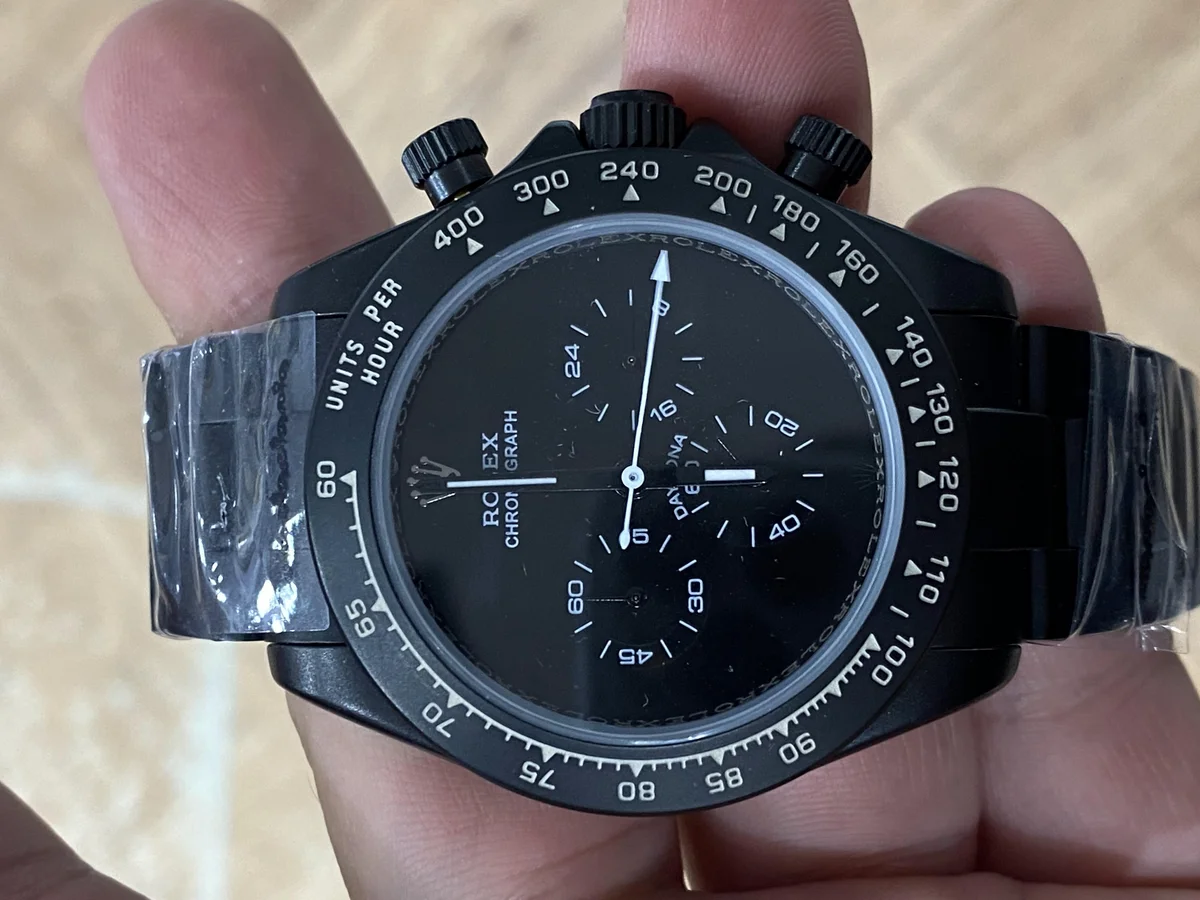
- Buy From Authorized Dealers: This guarantees the 2‑year international warranty and protects against counterfeit models—a common pitfall with popular pieces like the Daytona.
- Consider a Pre‑Owned Model: With the right condition and papers, you can acquire a vintage Omega Speedmaster for $4,200, saving 30 % off new retail.
- Don’t Forget the Strap: A high‑grade leather strap can transform a sporty chronograph into a dress‑watch for evening events.
Frequently Asked Questions
What is the difference between a column‑wheel and cam chronograph?
A column‑wheel mechanism provides smoother, more precise start‑stop actions and is typically found in higher‑priced models. Cam‑actuated chronographs are simpler, cheaper to produce, and may feel slightly less crisp when the pushers are engaged.
Can I wear a chronograph while swimming?
Yes, as long as the watch’s water resistance rating meets or exceeds the activity. For swimming, look for at least 100 m (10 ATM). Diving chronographs like the Tudor Black Bay are rated to 200 m.
How often should I service my automatic chronograph?
Most manufacturers recommend a full service every 5–7 years, depending on usage. Service costs typically range from 8 % to 12 % of the watch’s retail price.
Is a quartz chronograph a good investment?
Quartz chronographs generally do not appreciate like mechanical pieces, but they offer excellent accuracy and low maintenance. Choose a quartz model if reliability outweighs investment potential.
Conclusion: Choose the Chronograph That Matches Your Story
The best chronograph watches aren’t defined by a single price tag; they’re defined by how the movement, design, and functionality align with your daily rhythm. If you crave heritage and resale strength, the Rolex Daytona or Omega Speedmaster are unrivaled. For sport‑driven adventures, the Tudor Black Bay or IWC Portuguese deliver durability without compromising elegance. And if you’re building a collection on a budget, the Seiko Presage and Hamilton Jazzmaster prove that precision and style are accessible.
Take the next step: visit an authorized boutique, try the pushers, feel the weight on your wrist, and let the dial speak to you. A chronograph is more than a timing tool—it’s a companion that records every victory, every race, and every moment you choose to measure.
Happy hunting, and may your new chronograph keep perfect time as you chase your next milestone.
1 réflexion au sujet de « Best Best Chronograph Watches Ideas That Actually Work »