
Imagine stepping into an elegant black‑tie gala, the soft glow of chandeliers reflecting off polished marble, and the subtle click of your cufflinks as you greet the host. On your wrist sits a watch that whispers refinement rather than shouts it—a piece that complements your tuxedo without stealing the spotlight. That is the power of a well‑chosen luxury dress watch, and in this luxury dress watches complete guide you’ll learn exactly how to select, evaluate, and care for the perfect formal timepiece.
In This Article
- What You Will Need (or Before You Start)
- Step 1 – Define the Dress Code and Desired Aesthetic
- Step 2 – Set a Realistic Budget
- Step 3 – Choose the Movement Type
- Step 4 – Evaluate Case Size, Proportions, and Materials
- Step 5 – Select Dial Design, Hands, and Strap
- Step 6 – Verify Authenticity and Service History
- Step 7 – Purchase, Insure, and Store Your Dress Watch
- Common Mistakes to Avoid
- Troubleshooting & Tips for Best Results
- Summary & Conclusion
What You Will Need (or Before You Start)
Before diving into the specifics, gather a few basics so the process runs smoothly:
- Clear occasion definition: black‑tie, white‑tie, business formal, or cocktail attire.
- Budget range: from $5,000 for a solid entry‑level piece (e.g., Omega De Ville) up to $150,000 for a haute‑horlogerie masterpiece (e.g., Patek Philippe Calatrava 5270).
- Measurement tools: a soft tape measure for wrist circumference, a caliper (or a watchmaker’s gauge) for case dimensions, and a reliable light source for dial inspection.
- Authentication resources: access to the watchmaker’s serial‑number database, a reputable micro‑watch dealer, or a certified appraiser.
- Insurance information: a home‑owner’s policy rider or a specialized watch insurance plan (average premium ≈ 1 % of the watch’s value per year).
Step 1 – Define the Dress Code and Desired Aesthetic
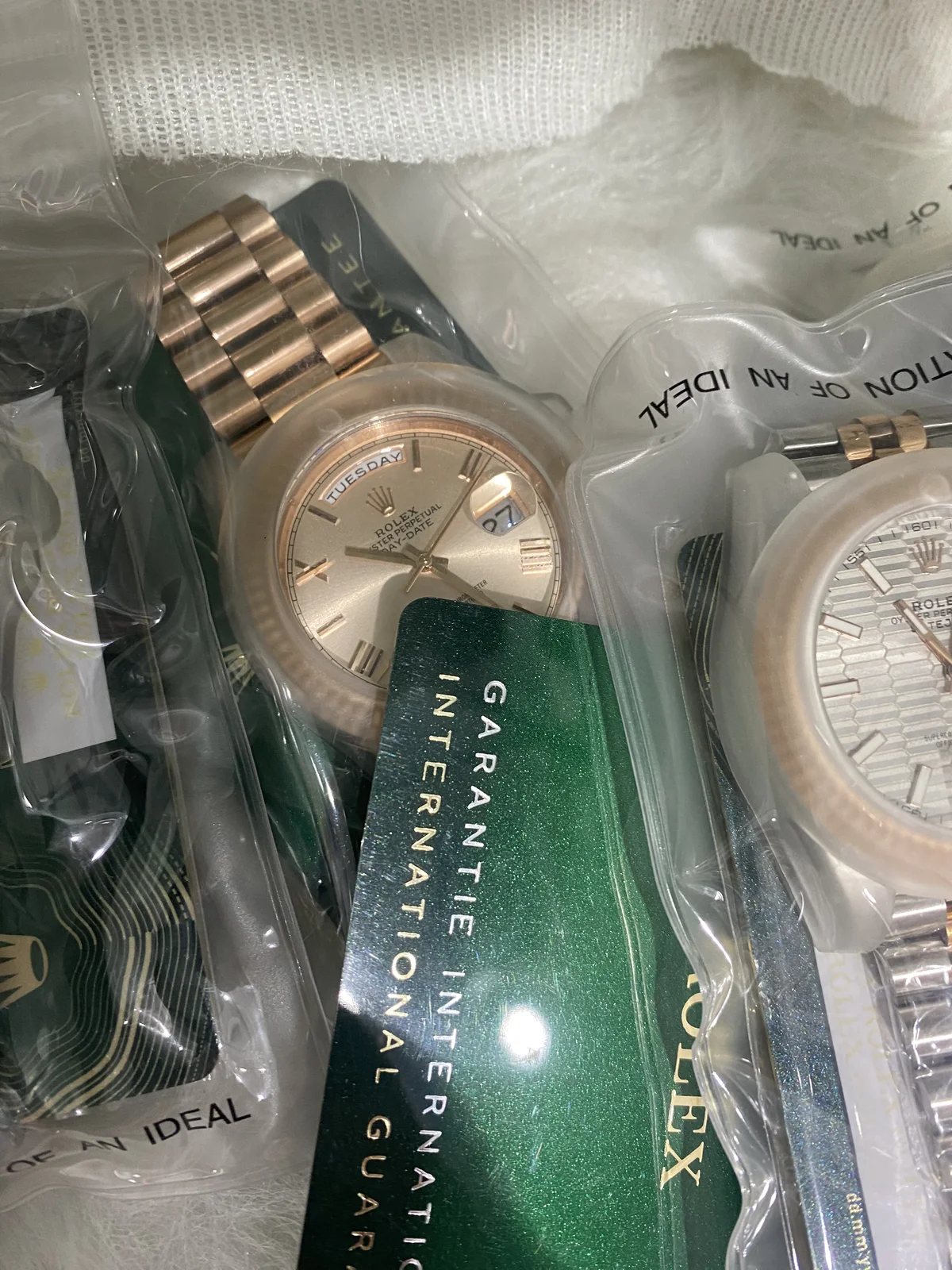
The first decision isn’t about brand; it’s about context. A white‑tie event traditionally calls for a slim, classic silhouette—think 36 mm case, under 9 mm thickness, and a plain black or deep navy leather strap. A business‑formal setting can tolerate a slightly larger 38‑40 mm piece with a polished‑metal bracelet, but still demands restraint.
In my experience, clients who choose a watch with a bold “sport” profile (e.g., a 45 mm steel diver) often feel out of sync with the room’s ambience. Instead, aim for a dial that reads like a fine silk tie: understated, elegant, and perfectly proportioned.
Step 2 – Set a Realistic Budget
Luxury dress watches span a wide price spectrum. Here’s a quick benchmark:
| Price Range | Typical Brands/Models | Case Diameter | Movement |
|---|---|---|---|
| $5,000‑$10,000 | Omega De Ville Prestige (e.g., 42.30.40.20.02), Longines Master Collection | 38‑40 mm | Automatic |
| $10,000‑$30,000 | Jaeger‑LeCoultre Reverso Classic Small Seconds, IWC Portofino Automatic 40 | 36‑40 mm | Automatic / Manual |
| $30,000‑$70,000 | Patek Philippe Calatrava 5196R, Vacheron Constantin Patrimony Traditionelle | 36‑38 mm | Manual (Calibre 215) |
| $70,000‑$150,000+ | A. Lange & Söhne Saxonia Thin, Breguet Classique 5177 | 34‑36 mm | Manual, high‑frequency |
One mistake I see often: buyers stretch beyond what they can comfortably afford, then feel pressure to keep the watch on at all times, which defeats its “dress” purpose. Stick to a range where you can still enjoy the piece without financial anxiety.
Step 3 – Choose the Movement Type
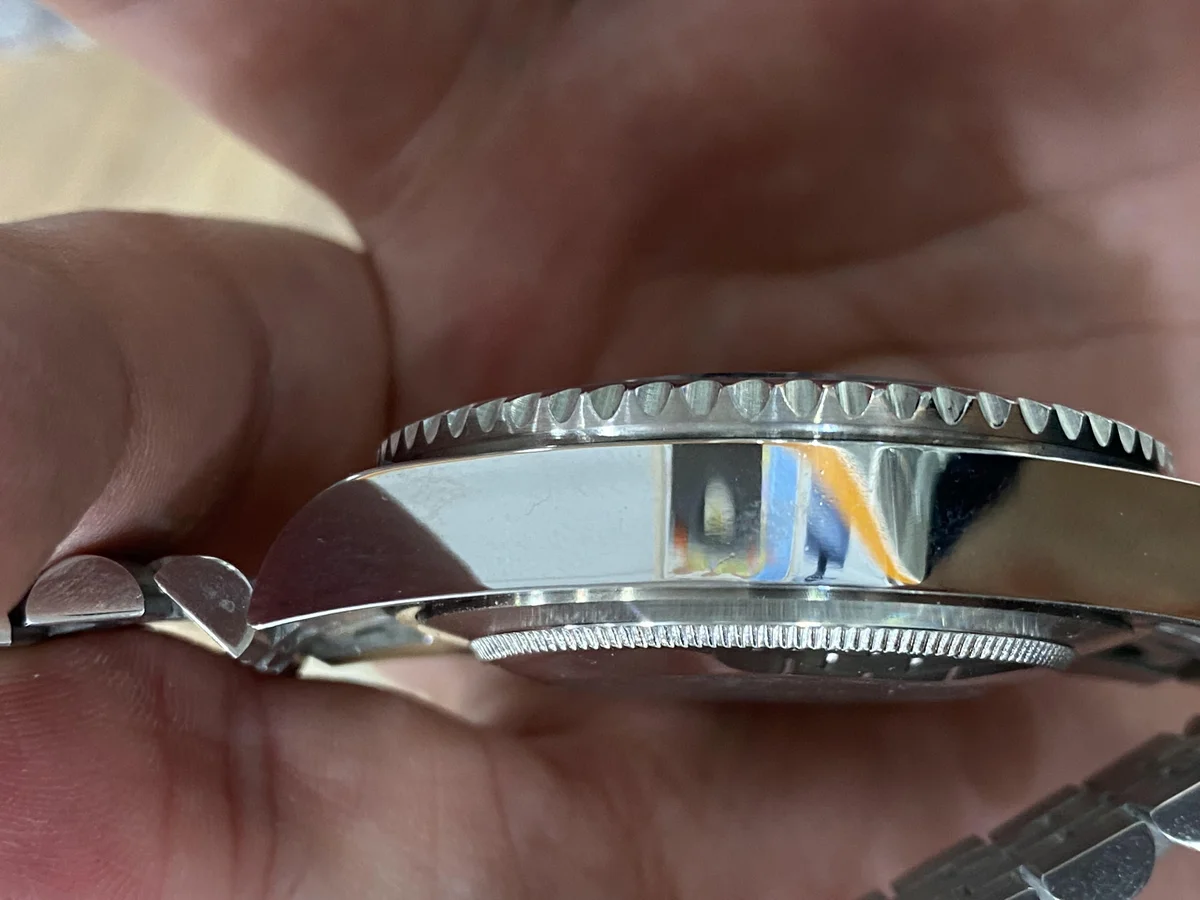
Dress watches traditionally favor manual‑wind or high‑precision automatic calibers because they allow for slimmer case profiles. A manual movement can be as thin as 5 mm (e.g., Patek Philippe Calatrava 5196R), while a robust automatic like the Jaeger‑LeCoultre 822 (found in the Reverso Classic) averages 8‑9 mm thickness.
If you travel frequently or dislike winding daily, a high‑beat automatic (28,800 vph) offers both thinness and power reserve (up to 70 hours). Quartz movements, while accurate, are rarely considered “luxury” in the dress‑watch category, though a limited‑edition Cartier Quartz Tank (≈ $6,800) can be an exception for collectors who value the brand’s design over mechanical heritage.
Step 4 – Evaluate Case Size, Proportions, and Materials
Measure your wrist first. A 38‑mm case looks balanced on a 7‑inch wrist but can overwhelm a 6‑inch wrist. The “golden ratio” of watch design suggests the case diameter should be roughly 55‑60 % of your wrist’s circumference.
Materials matter for both aesthetics and weight:
- 18‑k yellow gold (e.g., Patek Calatrava 5175) adds warmth and a classic feel; expect a weight of 70‑80 g.
- Platinum (e.g., Vacheron Constantin Patrimony 18P) offers a subtle gray sheen and exceptional durability, but price jumps 30‑40 % compared to gold of the same size.
- Stainless steel (e.g., IWC Portofino 40) keeps the watch lighter (≈ 55 g) and more versatile, but can look too casual for white‑tie.
- Rose gold (e.g., Audemars Piguet Royal Oak “dress” 41 mm) provides a modern twist; however, it’s crucial to avoid the iconic “tapisserie” pattern if you need a purely formal look.
Thickness should stay under 9 mm for a true dress watch. Anything thicker tends to clash with cuffed shirts.
Step 5 – Select Dial Design, Hands, and Strap
The dial is the visual heart. Classic options include:
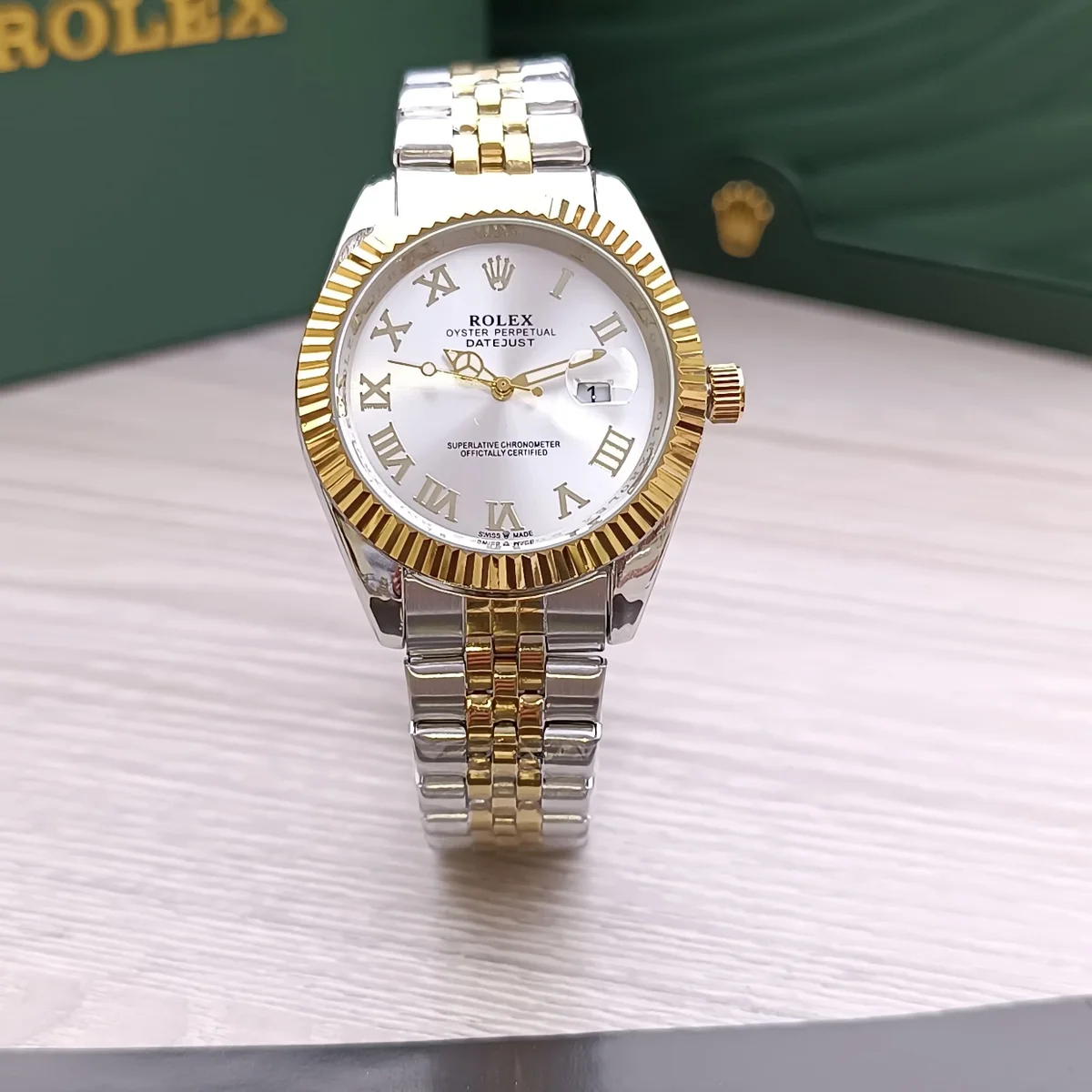
- Pure white or cream with Roman numerals (e.g., Patek Calatrava 5196R) – timeless elegance.
- Black “grand feu” enamel (e.g., Breguet Classique 5177) – luxurious yet understated.
- Silver‑tone “sunburst” (e.g., Jaeger‑LeCoultre Reverso) – adds depth without flash.
Hands should be slim and preferably “Breguet” style, with a polished tip for legibility. Avoid oversized “lollipop” hands; they belong on diver or chronograph pieces.
Strap choice is the final finishing touch. A high‑grade alligator leather strap (average width 20 mm, thickness 2 mm) in black or deep brown is the gold standard. If you prefer a metal bracelet, opt for a polished 18‑k gold link (e.g., Cartier Tank’s “Cabriolet” bracelet) that sits flush against the cuff.
Step 6 – Verify Authenticity and Service History
Even seasoned collectors can be duped. Follow these steps:
- Check the serial number against the manufacturer’s database (e.g., Patek Philippe’s online service portal).
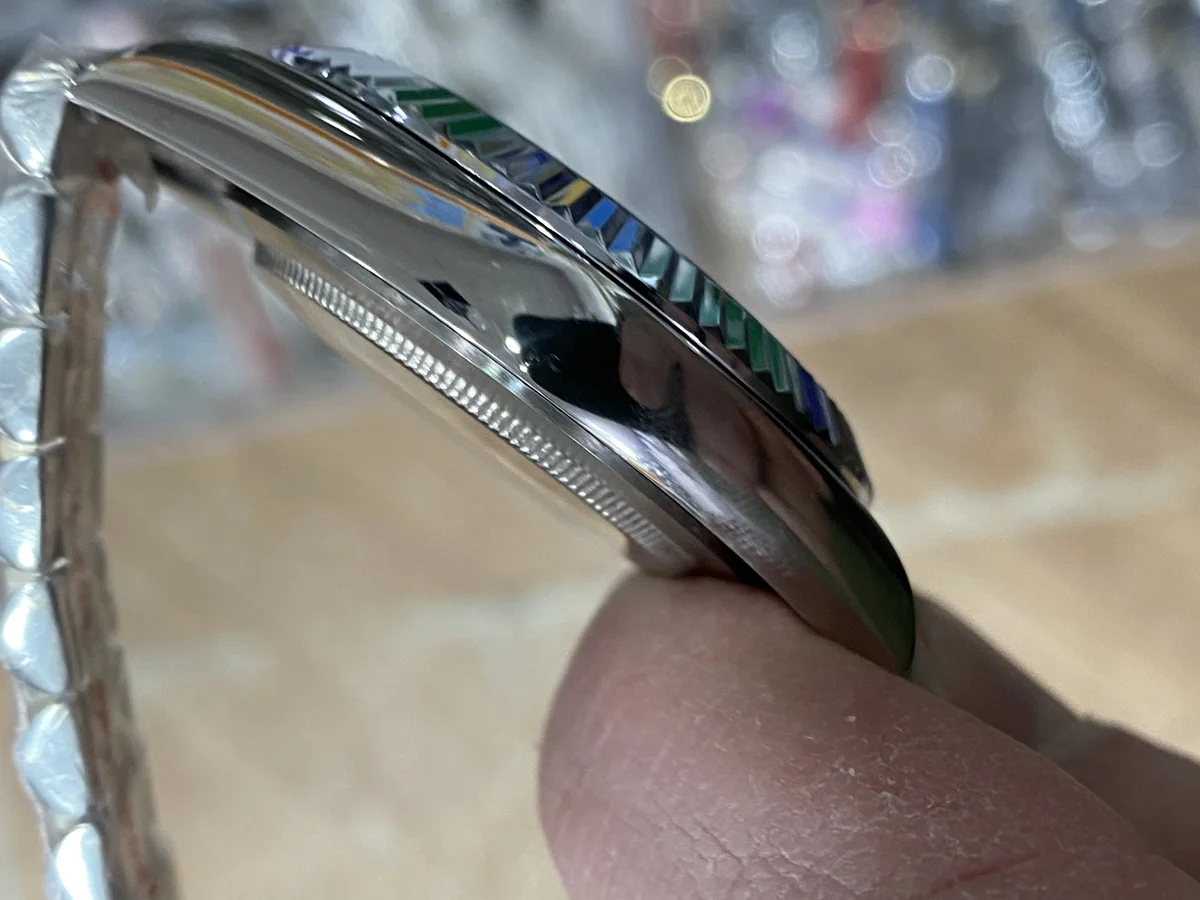
- Inspect the case back for proper engraving, alignment, and finishing quality—watchmakers use a microscope for this step.
- Request the last service invoice; a well‑maintained watch should have been serviced every 3‑5 years. A 2023 service on a 2020‑model Calatrava is a good sign.
- When buying pre‑owned, ask for original box, papers, and a recent authentication report from a reputable house (e.g., WatchCSA, Chrono24’s “Authenticity Guarantee”).
One mistake I see often: buyers accept a “new‑old‑stock” piece without confirming the movement’s originality. Counterfeit movements can be swapped in, especially on vintage models.
Step 7 – Purchase, Insure, and Store Your Dress Watch
Once you’ve zeroed in on the perfect model, finalize the purchase through a dealer offering a clear return policy (minimum 14 days). Immediately arrange insurance—most policies cover loss, theft, and accidental damage for a deductible of $500‑$1,000.
Store the watch in a climate‑controlled safe or a watch winder set to 28‑30 rpm for automatics. For manual‑wind pieces, keep them wound to a full reserve (≈ 48 hours) and reset the time monthly to avoid oil migration.
Common Mistakes to Avoid
- Oversizing the case: A 44 mm “dress” watch looks like a sports piece. Stick to 36‑40 mm for true elegance.
- Choosing a sport‑oriented dial: Chronograph sub‑dials, GMT markers, or large date windows distract from the clean aesthetic.
- Neglecting water resistance: Even a dress watch can benefit from 30 m resistance to survive accidental splash; many manufacturers (e.g., Jaeger‑LeCoultre) offer this without compromising thinness.
- Skipping the strap trial: Leather, alligator, or calfskin feel different on the wrist; never rely solely on photos.
- Ignoring long‑term service costs: High‑end mechanical watches often require service every 3‑5 years at $800‑$2,500 depending on complexity.
Troubleshooting & Tips for Best Results
My watch is running fast after a recent service—what now?
First, let it run for at least 48 hours to stabilize. If the deviation exceeds ±5 seconds per day, return to the service centre; the regulator may need fine‑tuning.
How do I keep my leather strap from drying out?
Apply a thin layer of leather conditioner (e.g., Saphir) once every three months. Avoid exposure to direct sunlight for more than 30 minutes.
Can I wear my dress watch with a tuxedo and still keep it safe?
Yes—use a soft watch roll or a padded watch box when traveling. For events, keep a spare watch winder in your hotel safe to maintain power reserve.
What’s the best way to match my watch to a cufflink?
Coordinate metal tones: a gold‑filled cufflink pairs with a yellow‑gold watch; silver cufflinks go with stainless steel or platinum. Avoid clashing colors—consistency amplifies sophistication.
Is a sapphire crystal a must?
For dress watches, sapphire crystal is standard because of its 99.9 % hardness and anti‑reflective coating, ensuring the dial stays legible under bright ballroom lighting.
Summary & Conclusion
Choosing a luxury dress watch is less about flaunting wealth and more about expressing timeless taste. By defining the occasion, setting a realistic budget, selecting the right movement, and paying close attention to case size, material, dial, and strap, you can secure a piece that enhances every formal ensemble. Remember to verify authenticity, arrange proper insurance, and maintain the watch with regular service—these steps protect both its value and its beauty.
Whether you gravitate toward the minimalist elegance of a Patek Philippe Calatrava, the iconic rectangular charm of a Jaeger‑LeCoultre Reverso, or the subtle sophistication of an IWC Portofino, this luxury dress watches complete guide equips you with the knowledge to make an informed, confident purchase. Cheers to many evenings where your watch is the quiet star of the show.
What is the ideal case diameter for a dress watch?
For most wrist sizes, a case diameter between 36 mm and 40 mm provides a balanced look. Smaller wrists (6‑inch circumference) benefit from 36‑38 mm, while larger wrists can handle up to 40 mm without looking bulky.
Should I buy a manual‑wind or automatic dress watch?
Both are acceptable; manual‑wind movements allow the thinnest cases (as low as 5 mm) and convey traditional craftsmanship. Automatic movements offer convenience and similar thinness if you choose a high‑beat caliber. Choose based on how often you’re willing to wind the watch.
How much should I expect to pay for a reliable luxury dress watch?
Entry‑level luxury dress watches start around $5,000 (Omega De Ville). Mid‑range pieces from Jaeger‑LeCoultre or IWC range $10,000‑$30,000. High‑end models from Patek Philippe, Vacheron Constantin, or A. Lange & Söhne can exceed $70,000 and reach $150,000+.
Can I wear a dress watch with a leather strap for a business‑formal look?
Absolutely. A high‑quality alligator or calfskin strap in black or dark brown pairs perfectly with a business‑formal outfit. It adds warmth and complements a crisp dress shirt without overpowering the look.
Where can I find more information on buying luxury watches?
Check out our luxury watch buying complete guide 2026 3 for an in‑depth overview of the market, or explore our best luxury watches under 10000 article for budget‑friendly options.
1 réflexion au sujet de « Luxury Dress Watches Complete Guide – Tips, Ideas and Inspiration »