
Finding the perfect luxury watch for a woman is like discovering a timeless piece of jewelry that tells a story every second. In this guide you’ll walk away with a clear roadmap, from budgeting to trying on, so you can confidently select a piece that matches her personality, wardrobe, and the moments she wants to celebrate.
In This Article
- What You Will Need or Before You Start
- Step 1 – Define Her Style and Purpose
- Step 2 – Set a Realistic Budget and Understand Value
- Step 3 – Research Brands, Movements, and Specifications
- Step 4 – Try On and Assess Fit
- Step 5 – Verify Authenticity, Warranty, and Service Options
- Common Mistakes to Avoid
- Troubleshooting or Tips for Best Results
- Summary Conclusion
What You Will Need or Before You Start
Before you dive into the glossy catalogues, gather a few practical items. A notebook (or a notes app) to jot down preferences, a ruler or a flexible measuring tape to record wrist circumference, and a reliable internet connection for research. If you have a trusted jeweler or watch boutique nearby, schedule a short appointment—most stores will let you sit with a few models for 15‑20 minutes without pressure. Finally, set a clear budget range; luxury watches span from $2,500 for a well‑crafted entry‑level piece to $85,000 for a limited‑edition masterpiece.
Step 1 – Define Her Style and Purpose
Ask yourself: does she need a daily work companion, a weekend‑ready sports piece, or a statement dress watch for gala evenings? In my experience, women often gravitate toward three archetypes:
- Elegant Dress Watches – slim cases (12‑14 mm thick), polished metal bracelets, and understated dials. Think Cartier Panthère watch (38 mm stainless steel, $7,300) or the Jaeger‑LeCoultre Reverso Classic Small (reversible case, $9,500).
- Sporty Luxury – robust water resistance (≥100 m), luminous hands, and often a rubber or metal bracelet. The Omega Seamaster Aqua Terra 150M Women’s (34 mm, $5,200) and the TAG Heuer Aquaracer Lady (36 mm, $4,800) fit this bill.
- Modern Minimalist – clean dials, integrated bracelets, and a focus on movement transparency. The Nomos Tangente 33 (33 mm, $2,800) and the Longines DolceVita (30 mm, $1,900) are popular choices.
Write down the top two styles that resonate. This narrows the field dramatically and prevents endless scrolling.
Step 2 – Set a Realistic Budget and Understand Value
Luxury isn’t just about the price tag; it’s about the craftsmanship, heritage, and resale potential. Here’s a quick breakdown:
- Entry‑Level (≈$2,500‑$5,000): Swiss-made quartz or automatic movements, solid cases, limited brand prestige. Examples: Longines Master Collection (38 mm, $4,200) or Tissot Le Locle Automatic (35 mm, $2,900).
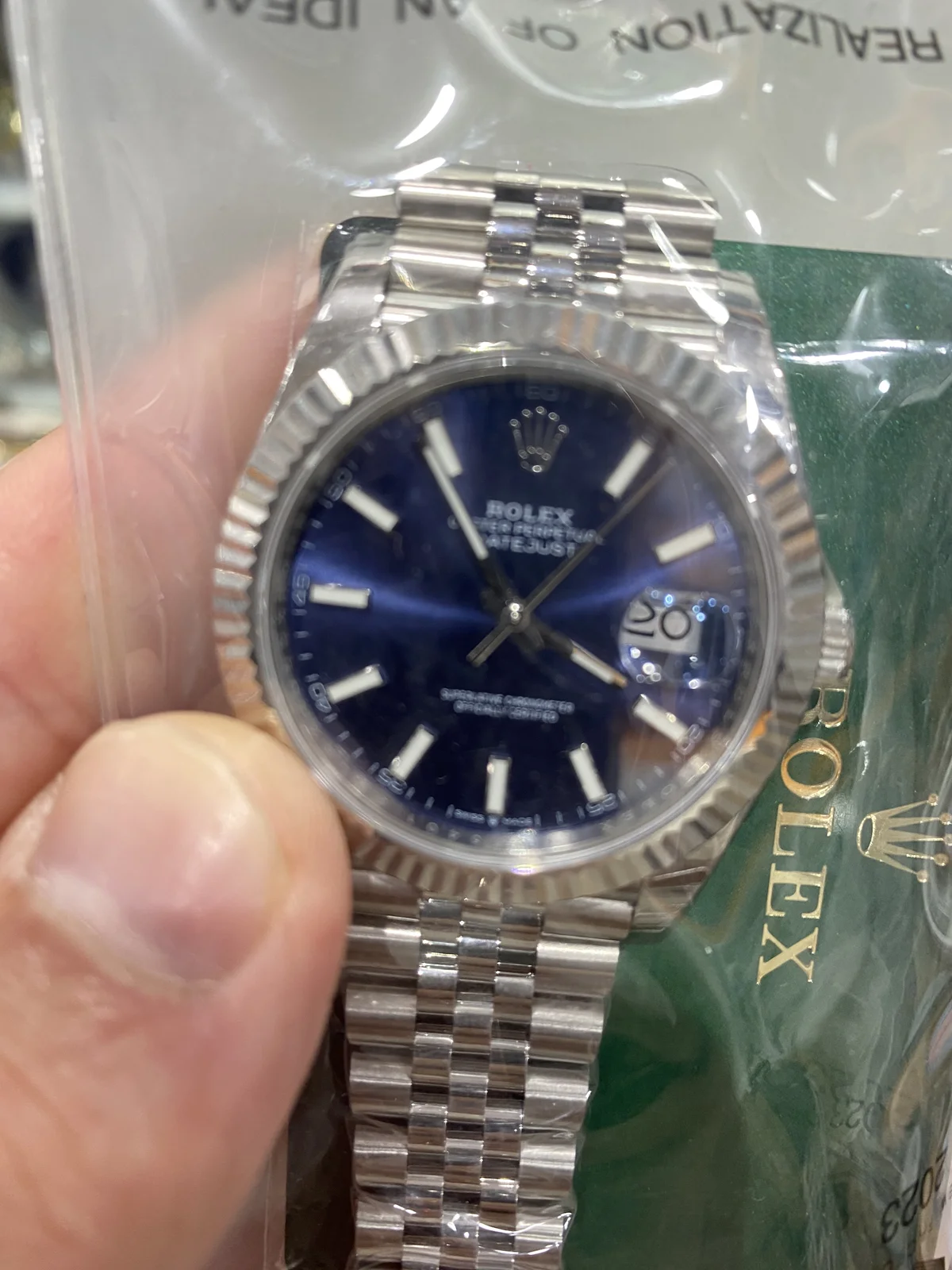
- Mid‑Range ($5,000‑$15,000): In‑house movements, precious metal components, and often a heritage brand. Examples: Rolex Datejust 31 (31 mm, $9,800), Cartier Ballon Bleu (36 mm, $11,500).
- High‑End (>$15,000): Complicated calibers (chronograph, moonphase), limited editions, and strong resale value. Examples: Audemars Piguet Royal Oak “Jumbo” Ladies (33 mm, $23,000), Patek Philippe Twenty‑4 (32 mm, $31,000).
One mistake I see often is overspending on a brand name without considering the movement quality. A $12,000 watch with a dated ETA 2824‑2 may not age as gracefully as a $7,000 piece with a brand‑new in‑house caliber.
Step 3 – Research Brands, Movements, and Specifications
Now that you know style and budget, dive into the technical side. Use reputable sources: the official brand websites, watch forums like Watchuseek, and independent reviewers. Key specs to compare:
- Case Diameter: Women’s luxury watches range from 28 mm to 38 mm. A 34‑mm case is a safe middle ground for most wrist sizes.
- Thickness: Dress watches stay under 12 mm; sporty models can be 13‑15 mm.
- Movement: Automatic (self‑winding) vs. quartz. Automatic offers heritage appeal; quartz offers accuracy and lower maintenance.
- Power Reserve: Look for ≥40 hours for automatics; some modern calibers hit 80‑120 hours.
- Water Resistance: 30 m for dress, 100 m+ for sport.
For example, the Rolex Datejust 31 features the Calibre 3235, a 70‑hour power reserve, 100 m water resistance, and a 31 mm Oystersteel case—making it a versatile choice for both boardrooms and brunches.
Step 4 – Try On and Assess Fit
The numbers only tell part of the story. When you visit a boutique, bring a small ruler and measure her wrist (most women’s wrists are 6‑7 inches). A 38 mm case on a 6‑inch wrist may feel bulky, while a 30 mm case could look lost.
Pay attention to these tactile cues:
- Bracelet Comfort: Integrated bracelets (e.g., Patek Twenty‑4) hug the wrist; metal links can be adjusted but may feel scratchy without a proper fit.
- Weight: A 10‑gram steel watch feels feather‑light; a 30‑gram gold piece adds presence.
- Dial Visibility: Luminous markers are essential for low‑light environments; a matte dial can reduce glare on sunny days.
Take photos of each model on her wrist, then compare side‑by‑side later. In my experience, the visual “fit” often outweighs the spec sheet when the decision is made.
Step 5 – Verify Authenticity, Warranty, and Service Options
Once you’ve zeroed in on a model, ensure the seller provides a certified authenticity card, original box, and a minimum two‑year international warranty. For high‑value pieces, consider a pre‑purchase inspection by a third‑party service such as WatchCSA.
Ask about the service interval. Most Swiss automatic movements require a full service every 5‑7 years, costing around 8‑12 % of the purchase price. For example, a Rolex service for a Datejust 31 typically runs $800‑$1,200.
If you’re buying online, check the return policy. A 14‑day “cooling‑off” period is standard for reputable dealers; anything less should raise a red flag.
Common Mistakes to Avoid
Even seasoned collectors slip up. Here are the pitfalls that cost both money and peace of mind:
- Focusing Solely on Brand Prestige: A “Rolex” tag does not guarantee the right size or style for her wrist.
- Neglecting the Bracelet: A beautiful case paired with an uncomfortable strap will quickly become a drawer piece.
- Skipping the Warranty Details: Some “gray‑market” sellers offer lower prices but no official warranty, leaving you stranded if the movement fails.
- Overlooking Resale Value: If she might upgrade in five years, consider models with strong secondary market demand—Rolex, Audemars Piguet, and Patek Philippe typically retain 70‑90 % of original price.
- Buying Without Trying: Online images can be deceiving; a 32 mm case can appear larger on a screen than on a wrist.
One mistake I see often is buying a watch that matches a trend rather than personal taste. Trends fade; personal style endures.
Troubleshooting or Tips for Best Results
After purchase, a few habits keep the watch in peak condition:
- Regular Winding: Even automatic watches benefit from a daily 30‑second wind if not worn.
- Proper Storage: Use a soft pouch or a watch box with individual cushions; humidity‑controlled cases are ideal for precious metal pieces.
- Cleaning the Bracelet: Stainless steel links can be brushed with a soft toothbrush and mild soap; leather straps need occasional conditioning with a leather‑safe cream.
- Timing Checks: A variance of ± 3 seconds per day is acceptable for a high‑grade automatic. If it exceeds ± 5 seconds, consider a service.
- Insurance: For watches over $5,000, a rider on a homeowner’s policy or a dedicated jewelry policy protects against loss or theft.
When in doubt, consult a certified watchmaker. A quick 30‑minute inspection can spot issues like magnetization, which is easily corrected with a demagnetizer.
For a deeper dive into matching watches with attire, check our luxury dress watches complete guide. If you’re curious about pilot-inspired pieces, our best pilot watches 2026 2026 edition 3 article offers valuable insights.
Summary Conclusion
Choosing the right luxury watch for a woman is a blend of art and science. Define her style, set a realistic budget, research the movement, try it on, and verify authenticity. Avoid common pitfalls, maintain the piece with proper care, and you’ll gift a timeless companion that celebrates every moment of her life.
What size watch is best for a petite wrist?
For wrists under 6 inches, a case diameter of 30‑34 mm and a thickness under 12 mm usually feels comfortable. Look for models with adjustable bracelets or integrated straps to ensure a snug fit.
Do automatic watches need to be worn every day?
While automatics will keep running as long as they have sufficient motion, winding them for 30 seconds daily when not worn helps maintain power reserve and accuracy.
How can I verify the authenticity of a pre‑owned luxury watch?
Ask for the original box, warranty card, and serial numbers. Cross‑reference the numbers with the brand’s database or use a reputable third‑party authentication service like WatchCSA.
Is a leather strap appropriate for a sports watch?
For true sports activities, a metal or high‑tech rubber strap offers better water resistance and durability. Leather can be used for casual sport‑style looks but isn’t ideal for swimming or heavy sweat.
What resale value can I expect from a Rolex Datejust?
Rolex Datejust models typically retain 70‑85 % of their original price after five years, depending on condition, market demand, and whether the original box and papers are included.