
In 2024, global sales of luxury watches topped $22 billion, and analysts predict a 7 % surge by 2026 – a clear sign that the market is hotter than ever.
In This Article
- What You’ll Achieve and What You Need
- Step 1 – Define Your Purpose and Lifestyle Fit
- Step 2 – Set a Realistic Budget and Financing Plan
- Step 3 – Research Models, Movements, and Market Trends
- Step 4 – Choose a Trusted Purchase Channel
- Step 5 – Verify Authenticity and Condition
- Step 6 – Finalize the Purchase and Secure Your Investment
- Common Mistakes to Avoid
- Troubleshooting & Tips for Best Results
- FAQ
- Summary & Conclusion
What You’ll Achieve and What You Need
By the end of this luxury watch buying complete guide 2026 3 you will be able to walk into any boutique or navigate an online auction with confidence, knowing exactly which model aligns with your style, budget, and long‑term goals. You’ll also have a printable checklist, a timeline for financing, and a set of red‑flags that keep you from costly mistakes.
Before you dive in, gather these essentials:
- A clear budget range (including taxes, import duties, and insurance)
- Preferred case diameter (most modern luxury watches sit between 38 mm and 44 mm)
- Desired complications (date, GMT, chronograph, moon phase, etc.)
- Research tools: Swiss watch movements explained 2, watch forums, and a trusted dealer or auction house
- Secure storage solution (a safe or dedicated watch box) for the moment you bring the piece home
Step 1 – Define Your Purpose and Lifestyle Fit
Luxury watches serve three main purposes: daily wear, special‑occasion statement, or investment. In my experience, mixing purposes leads to buyer’s remorse. Ask yourself:
- Will I wear it at the office, at a black‑tie event, or keep it in a safe?
- Do I need a robust sport‑style (e.g., Rolex Submariner 41 mm, $9,200) or an elegant dress piece (e.g., Patek Philippe Calatrava 37 mm, $32,000)?
- Am I targeting a watch that historically appreciates, such as a limited‑edition Audemars Piguet Royal Oak “Jumbo” (often up 45 % over five years)?
Write down the top three criteria; they become your decision‑making compass throughout the guide.
Step 2 – Set a Realistic Budget and Financing Plan
Luxury watch prices vary wildly. Here’s a quick snapshot for 2026:
| Brand | Entry‑Level Model | Typical Price (USD) |
|---|---|---|
| Rolex | Oyster Perpetual 36 mm | $6,500 |
| Omega | Speedmaster Professional “Moonwatch” | $5,400 |
| Tag Heuer | Monaco Calibre 11 | $4,800 |
| Vacheron Constantin | Overseas Automatic 42 mm | $23,000 |
| Patek Philippe | Calatrava 37 mm | $32,000 |
One mistake I see often is neglecting ancillary costs. Add roughly 12 % for sales tax, 5 % for import duties (if buying abroad), and $250–$500 for insurance per year. If you plan to finance, aim for a loan term under 36 months with an APR below 5 % to preserve the watch’s resale value.
Step 3 – Research Models, Movements, and Market Trends
Now the fun part begins. Use the following three‑pronged approach:
- Movement deep‑dive: Identify whether you prefer a Swiss automatic (e.g., ETA 2824‑2), a hand‑wound masterpiece (e.g., Patek’s Calibre 89), or a quartz (rare in high‑end but present in some TAG Heuer pieces). The swiss watch movements explained 2 article is indispensable.
- Secondary‑market analysis: Check recent auction results on Christie’s, Sotheby’s, and WatchBox. A 2022 Tudor Black Bay that sold for $4,800 in June 2025 indicates healthy demand.
- Trend spotting: 2026 sees a resurgence of vintage‑inspired designs with modern materials—think titanium cases with ceramic bezels. Brands like Audemars Piguet and IWC are leading the charge.
Step 4 – Choose a Trusted Purchase Channel
There are four primary avenues:
- Authorized dealers (ADs): Offer brand warranty, authentic paperwork, and the chance to try on the piece. Expect a 5–10 % premium over MSRP for limited editions.
- Grey market retailers: Often 8–15 % cheaper, but warranties may be limited to the retailer, not the brand.
- Auction houses: Ideal for rare vintage pieces; however, buyer’s premiums (usually 20–25 %) apply.
- Online marketplaces: Platforms like Chrono24 provide escrow services—still, verify seller ratings and request high‑resolution photos.
My personal rule: for any watch under $10,000 I’ll buy from an AD or a reputable grey‑market dealer; for pieces above $15,000 I turn to auction houses with a solid track record.
Step 5 – Verify Authenticity and Condition
Even seasoned collectors can be duped. Follow this checklist:
- Inspect the serial and model numbers; they should be laser‑etched on the case back and match the paperwork.
- Examine the movement through the case back (if transparent) or request a professional opening. The balance wheel’s finishing tells a lot about authenticity.
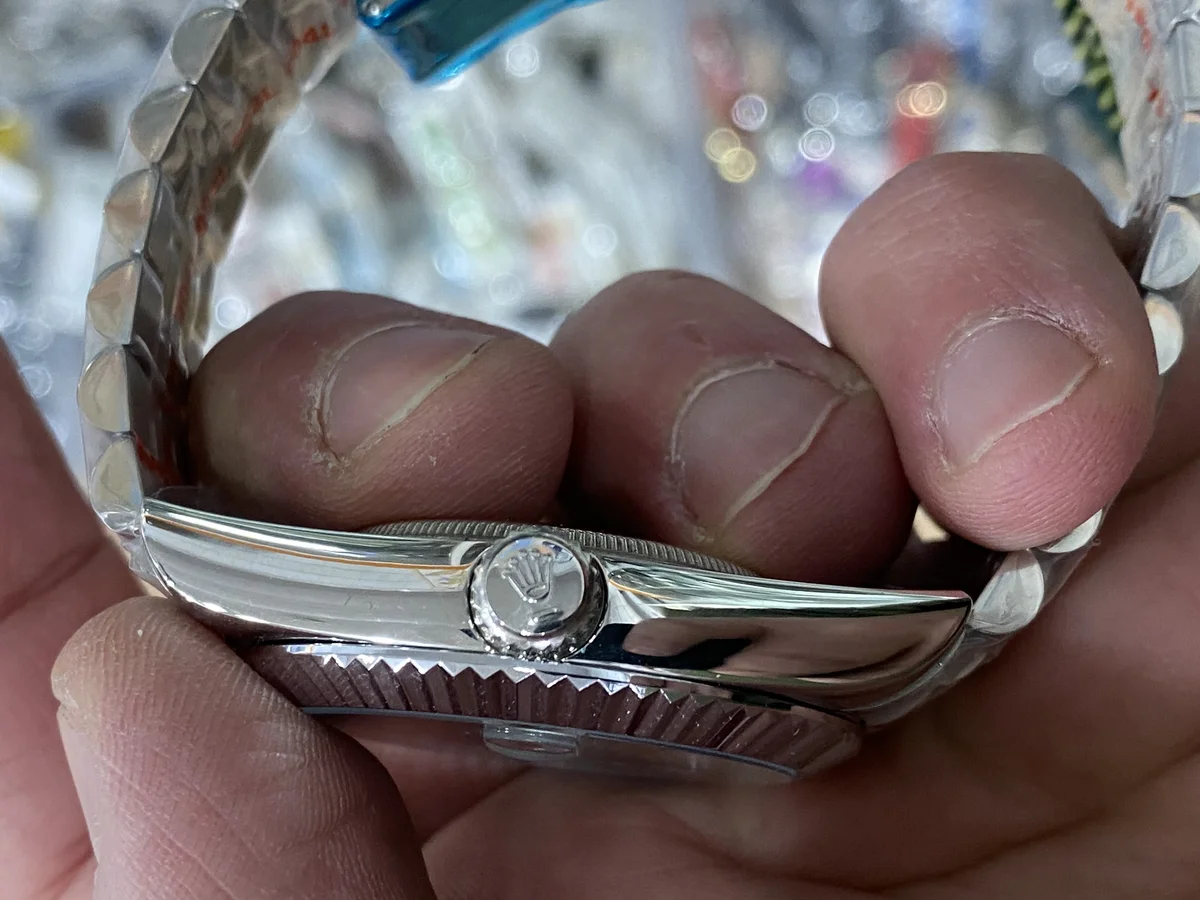
- Check for signs of refinishing: uneven polishing, mismatched font on the dial, or non‑original bracelet links.
- Confirm the watch’s provenance: original box, warranty card, and service history are non‑negotiable for high‑value purchases.
Step 6 – Finalize the Purchase and Secure Your Investment
Once you’ve cleared authenticity, sign the sales contract, and arrange payment. For added protection:
- Obtain a third‑party appraisal (Cost: $150–$300) for insurance purposes.
- Register the watch with the brand’s owner portal (e.g., Rolex’s “My Rolex” service).
- Store the watch in a climate‑controlled safe; humidity above 55 % can damage leather straps and cause metal oxidation.
Common Mistakes to Avoid
- Chasing trends blindly: A watch that’s “hot” today may become oversupplied tomorrow, eroding resale value.
- Ignoring service intervals: Skipping a recommended service (usually every 3–5 years) can void the warranty and diminish the watch’s condition.
- Over‑extending budget for prestige: Buying a $75,000 watch on a $15,000 budget leads to financial strain and reduces enjoyment.
- Neglecting resale potential: If you intend to upgrade later, focus on models with strong secondary‑market demand—such as the Rolex GMT‑Master II “Pepsi” (often appreciates 20‑30 % in five years).
- Skipping the paperwork: Always demand the original warranty card, invoice, and, if applicable, the “certificate of authenticity.”
Troubleshooting & Tips for Best Results
Issue: The watch runs fast/slow after purchase. Most likely a need for a full service. A quick 30‑minute regulation at a certified service center can correct it, but a comprehensive overhaul (≈$800 for a standard automatic) ensures long‑term stability.
Issue: Bracelet size doesn’t fit. Many ADs offer free resizing within 30 days. For metal bracelets, ask for a “half‑link” adjustment; it costs about $50 at most retailers. For leather straps, a simple replacement can be done for $30–$70.
Tip: Build a diversified watch portfolio. Combine a robust sports model (e.g., Omega Seamaster), a classic dress watch (e.g., Jaeger‑LeCoultre Reverso), and a limited‑edition piece with investment potential (e.g., a Patek Philippe Grand Complications). This balances daily utility with appreciation potential.
Tip: Leverage the best luxury watches under 10000 2026 edition 2 list. It highlights models that deliver high horological value without breaking the bank.
Tip: Keep an eye on the best gmt watches 2026 market. GMT functionality adds practicality for frequent travelers and often boosts resale demand.
Tip: Read the tag heuer monaco in depth review 2026 2 before committing to a square‑case chronograph. Its unique aesthetics may not suit every wrist.
Tip: Explore the heritage of the vacheron constantin overseas 3 for insights into ultra‑luxury travel watches.
FAQ
How much should I expect to pay for a pre‑owned Rolex Submariner in 2026?
A well‑maintained pre‑owned Submariner 41 mm typically ranges from $9,800 to $12,500, depending on condition, reference, and whether it includes original box and papers.
Is it better to buy from an authorized dealer or the grey market?
Authorized dealers guarantee full manufacturer warranty and authentic paperwork, which is crucial for future resale. Grey‑market sources can offer 8–15 % discounts but may limit warranty coverage. Choose based on your risk tolerance and the specific model’s availability.
What are the best watch models under $10,000 for a first‑time buyer?
Consider the Omega Speedmaster Professional, Tudor Black Bay, TAG Heuer Carrera, and the Longines Master Collection. All offer Swiss automatic movements, solid build quality, and strong resale potential.
How often should I service my luxury watch?
Most Swiss automatic movements benefit from a full service every 3–5 years, while manual‑wind pieces can stretch to 7–10 years if kept clean and regularly wound.
Can a luxury watch be a good investment?
Yes, but only certain models—typically limited editions, iconic references, or pieces from brands with strong heritage—tend to appreciate. Always buy something you love first; investment performance is a secondary benefit.
Summary & Conclusion
This luxury watch buying complete guide 2026 3 has equipped you with a systematic framework: define purpose, set a realistic budget, master research, choose the right channel, verify authenticity, and protect your investment. By avoiding the common pitfalls listed and applying the troubleshooting tips, you’ll walk away with a timepiece that not only tells the hour but also tells your story for years to come.
2 commentaires sur « Luxury Watch Buying Complete Guide 2026 3 – Tips, Ideas and Inspiration »