
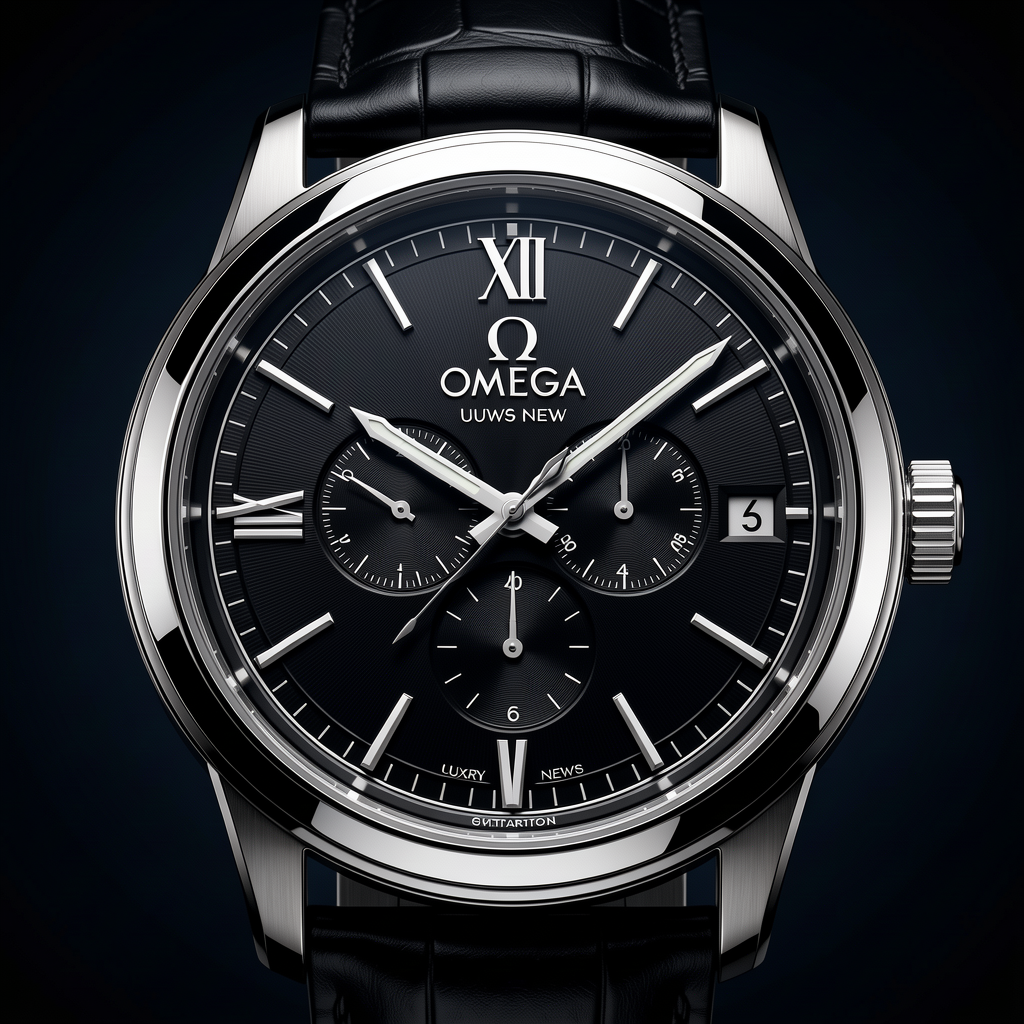
Omega watch news just dropped, and you’re about to learn how to turn that buzz into a smart buying or collecting move. In the next few minutes you’ll discover what the latest releases mean for your wrist, which tools you need to stay ahead, and how to avoid the pitfalls most newcomers fall into.
In This Article
- What You Will Need – Before You Dive Into Omega Watch News
- Step 1 – Scan the Latest Omega Watch News Releases
- Step 2 – Cross‑Reference With Independent Reviews and Market Data
- Step 3 – Update Your Buying or Collecting Strategy
- Step 4 – Document and Monitor Your Investment
- Common Mistakes to Avoid
- Troubleshooting or Tips for Best Results
- Summary Conclusion
What You Will Need – Before You Dive Into Omega Watch News
Before you start scrolling through press releases, set yourself up with a mini‑toolkit. Having these items at hand will let you filter hype from real value:
- Reliable sources list: Omega’s official newsroom, omega speedmaster racing in depth review 3, and trusted horology blogs such as Hodinkee and WatchTime.
- Specification sheet template: A simple spreadsheet (Google Sheets works fine) with columns for model, reference, case size (mm), movement type, power reserve (hrs), price (USD/EUR), and limited‑edition status.
- Budget calculator: Decide your ceiling – whether it’s $5,000 for a Seamaster or $12,000 for a limited Speedmaster Professional “Dark Side of the Moon”.
- Authentication checklist: Serial number verification, original box, warranty card, and a trusted watchmaker’s opinion if you’re buying second‑hand.
- Time: Set aside 30‑45 minutes per news cycle to read, compare, and note down actionable points.
Step 1 – Scan the Latest Omega Watch News Releases
Start with Omega’s own newsroom (Omega.com). Look for headlines like “Omega introduces the new Seamaster Diver 300M 2024” or “Limited‑edition Speedmaster ‘Moonwatch’ 2025 now available”. Pay attention to these data points:
- Reference number (e.g., 210.30.42.20.01): This is your GPS for the exact model.
- Case diameter and thickness: New Seamaster models often hover around 42mm with a 13.5mm thickness, while Constellation pieces stay slimmer at ~39mm x 9mm.
- Movement upgrades: Look for the “Calibre 8900” (Co‑axial Master Chronometer) or the “Calibre 8800” with a 55‑hour power reserve.
- Material changes: Ceramic, titanium, or Omega’s proprietary Sedna™ gold are common upgrades.
- Price range: Note both retail and suggested MSRP for limited editions, which can be 10‑20% higher than standard models.
In my experience, the most actionable piece of news is the announcement of a new limited run – it tells you when to act fast before the market inflates.
Step 2 – Cross‑Reference With Independent Reviews and Market Data
After you’ve collected the raw specs, head to independent reviews. The omega vs rolex comparison detailed comparison 2 piece often highlights how Omega’s new models stack up against rivals. Look for these signals:
- Wearability tests: Reviewers will comment on how the new Seamaster sits on a 42mm wrist – does it feel bulky?
- Timing accuracy: A Master Chronometer certified by METAS should stay within –4/+6 seconds per day.
- Resale trends: Check recent auction results on Chrono24 or WatchBox. A limited‑edition Speedmaster “Silver Moon” launched in 2022 retained 92% of its MSRP after 12 months.
One mistake I see often is buying based solely on a flashy photo. The real test is the movement performance and long‑term value retention.
Step 3 – Update Your Buying or Collecting Strategy
Now that you have the specs and independent validation, adjust your plan:
- Set a purchase window: For limited editions, aim to place an order within the first two weeks of release. Retailers often allocate only 5‑10 pieces per store.
- Negotiate accessories: Many boutiques bundle a leather strap or a travel case for orders placed before the official launch date – ask for it.
- Consider pre‑owned options: If a model is sold out, reputable pre‑owned dealers may have pieces at 3‑5% below retail, especially if the watch is less than a year old.
- Plan for maintenance: Omega recommends a service every 5‑7 years. Factor in $350‑$500 for a full overhaul of a Calibre 8800.
In my experience, aligning your purchase with the release calendar maximizes both the excitement and the potential resale upside.
Step 4 – Document and Monitor Your Investment
Use the spreadsheet you set up earlier. Enter every new acquisition with the following fields:
- Date of purchase
- Retail price
- Serial number
- Condition (new, mint, excellent)
- Current market value (update quarterly)
- Notes on provenance (e.g., “purchased at Omega boutique in Geneva”)
Tracking this data helps you answer the inevitable “Should I sell now or hold?” question. Over a 3‑year horizon, many Omega models appreciate 5‑12% annually, especially limited editions tied to historic events.
Common Mistakes to Avoid
Even seasoned collectors slip up. Below are the pitfalls you should steer clear of when following omega watch news:
- Chasing every rumor: Not every teaser becomes a product. Verify with an official press release before budgeting.
- Ignoring the movement: A dazzling dial is irrelevant if the calibre isn’t a Master Chronometer. Always check the calibre number.
- Overpaying for “first‑edition” hype: Some boutiques charge a 10% premium for being first in line. Compare with online MSRP.
- Neglecting warranty: Buying from an unauthorized seller can void Omega’s 5‑year international warranty.
- Skipping strap compatibility: A new Seamaster with a 20mm lug width won’t fit older 18mm straps you may already own.
Troubleshooting or Tips for Best Results
When you’ve acted on the latest omega watch news, keep these tips handy to ensure a smooth experience:
- Verify authenticity on arrival: Use a loupe to inspect the Omega logo, check the case back engraving, and confirm the serial number matches the warranty card.
- Set the watch correctly: Follow our watch winding tips 3 guide – especially for automatic movements, wind for 20–30 turns if the power reserve reads less than 30 hours.
- Adjust the bracelet: Use a professional tool or a trusted watchmaker to size the Oyster bracelet; a mis‑fit can cause premature wear.
- Register online: Create an Omega account to log your watch’s serial number – this speeds up service requests.
- Stay updated: Subscribe to Omega’s newsletter and set Google Alerts for “Omega watch news” to catch flash releases before they’re posted on social media.
Summary Conclusion
Staying on top of omega watch news isn’t just about reading headlines; it’s a systematic process of gathering specs, cross‑checking with independent sources, and integrating the findings into a disciplined buying strategy. By equipping yourself with the right tools, avoiding common missteps, and maintaining a diligent record, you turn every new release into a potential masterpiece for your collection or a savvy investment.
What are the most important specs to watch for in new Omega releases?
Focus on the reference number, case size, movement calibre (especially Master Chronometer certifications), power reserve, material (ceramic, titanium, Sedna™ gold), and price. These determine fit, performance, and resale potential.
How soon should I buy a limited‑edition Omega after it’s announced?
Ideally within the first two weeks of the official launch. Retailers allocate very few pieces, and waiting often means higher secondary‑market prices.
Can I rely on pre‑owned Omega watches for the latest models?
Yes, if you buy from reputable dealers who provide original paperwork and a condition report. Pre‑owned pieces can be 3‑5% cheaper than retail, especially within a year of release.
What maintenance schedule does Omega recommend?
Omega advises a full service every 5‑7 years for automatic movements. Expect a cost of $350‑$500 for a Calibre 8800 or 8900 overhaul.
Where can I find reliable second‑hand pricing data?
Check platforms like Chrono24, WatchBox, and auction results from Phillips or Sotheby’s. Compare recent sales of the exact reference to gauge market trends.
1 commentaire sur « Best Omega Watch News Ideas That Actually Work »