Overview
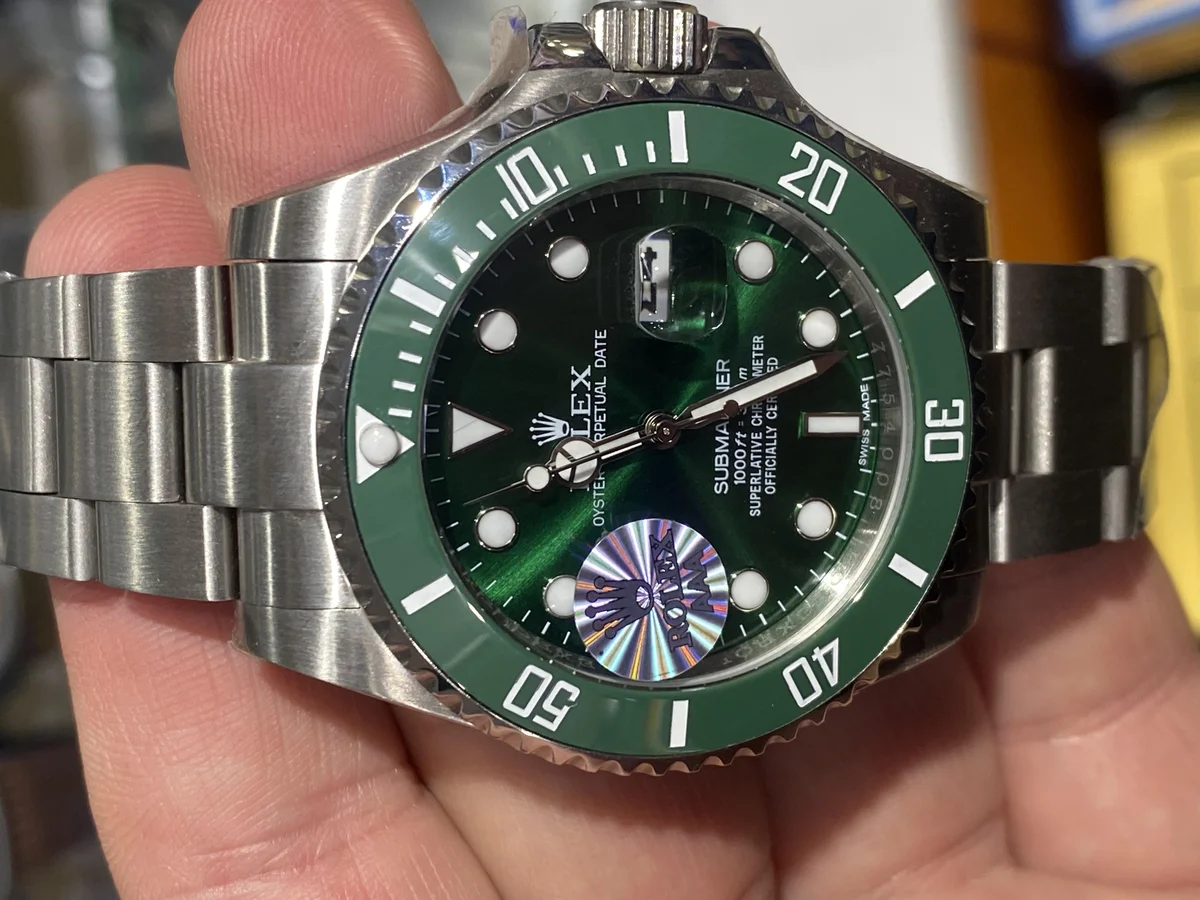
When a watch collector looks at a Rolex, the question that often surfaces is: How Often to Service Rolex? This is more than a routine maintenance query; it is a cornerstone of preserving the mechanical integrity, aesthetic allure, and investment value of these iconic timepieces. The answer is not a one‑size‑fits‑all rule but a nuanced guideline that balances the watch’s design, its intended use, and the evolving standards of the brand’s service protocols.
Rolex’s own service recommendations provide a solid baseline: a full service every 10 years for most models, or sooner if the watch is subjected to extreme conditions. Yet, as we’ll explore, the practical reality of service frequency varies by movement type, case material, and user habits. This article delivers a deep dive into the history, technical specifications, and practical considerations that shape the service life of a Rolex, equipping seasoned collectors with the knowledge to make informed decisions.
History
Rolex’s journey from a modest Swiss watchmaker in 1905 to a global luxury icon is inseparable from its relentless pursuit of precision. The company’s early innovations—such as the first waterproof wristwatch (the Oyster in 1926) and the first self‑winding mechanical watch (the Perpetual in 1931)—set industry standards. These breakthroughs were not only engineering marvels but also testaments to Rolex’s commitment to durability and serviceability.
You might also enjoy our guide on How to Rolex Price (Expert Tips).
The brand’s service philosophy has evolved alongside its technology. In the 1950s, Rolex introduced the Oyster Perpetual with a 24‑hour power reserve, which required periodic lubrication and cleaning. By the 1970s, with the advent of the Sea‑Dweller and Submariner series, Rolex began emphasizing the importance of rigorous maintenance for underwater performance.
Today, Rolex’s in‑house service centers uphold a rigorous protocol that includes disassembly, cleaning, lubrication, component replacement, and final testing. The company’s dedication to quality control ensures that each serviced watch returns to the owner in the same condition it was when it left the factory, if not better.
Technical Specs
To understand the service interval, it is essential to grasp the core technical attributes of a Rolex. Below is a concise comparison of key models, highlighting their material composition, movement type, and typical service intervals.
You might also enjoy our guide on How to Rolex Authentication Complete Guide 3 (Expert Tips).
| Model | Case Material | Movement | Service Interval (Standard) |
|---|---|---|---|
| Submariner | 904L Stainless Steel | Automatic | 10 years |
| Daytona | 904L Stainless Steel / 18k Gold | Automatic | 10 years |
| GMT‑Master II | 904L Stainless Steel / 18k Gold | Automatic | 10 years |
| Yacht‑Master | 904L Stainless Steel / 18k Gold | Automatic | 10 years |
| Oyster Perpetual | 904L Stainless Steel | Automatic | 10 years |
While the standard service interval for most Rolex models is 10 years, certain conditions—such as exposure to saltwater, extreme temperature fluctuations, or frequent diving—can necessitate earlier intervention. Moreover, the brand’s recent introduction of the Chronograph and Explorer II lines has slightly altered service expectations due to the added complexity of additional complications.
Movement
Rolex’s in‑house movements, particularly the Calibre 3135 (found in the Submariner, GMT‑Master II, and Oyster Perpetual) and the Calibre 4130 (used in the Daytona), are renowned for their robustness and precision. These movements incorporate a high‑frequency balance wheel, a self‑winding rotor, and a meticulously engineered escapement. Their design inherently reduces wear, but the necessity for lubrication and component replacement remains.
When a watch is serviced, the movement undergoes a comprehensive overhaul:
You might also enjoy our guide on Best How To Buy First Rolex 3 Ideas That Actually Work.
- Disassembly of the case back and crown
- Cleaning of all components using ultrasonic baths and solvent rinses
- Lubrication of gears, escapement, and pivots with proprietary oils
- Replacement of worn parts such as the mainspring barrel, escapement pin, and balance spring
- Reassembly and final calibration against the reference standard
Because Rolex movements are engineered for longevity, the critical factor in determining service frequency is the environment in which the watch operates. For instance, a Submariner used daily for recreational diving will likely benefit from a 5‑year service interval, whereas a watch kept in a controlled environment may comfortably wait until the 10‑year mark.
Pricing
Service costs vary by model and service center but generally fall within the following ranges:
| Model | Service Cost (USD) |
|---|---|
| Submariner | $1,200 – $1,800 |
| Daytona | $1,800 – $2,500 |
| GMT‑Master II | $1,200 – $1,800 |
| Yacht‑Master | $1,200 – $1,800 |
| Oyster Perpetual | $1,000 – $1,500 |
It is essential to factor in service costs when calculating the total cost of ownership. For high‑value models like the Daytona, the service fee can represent a significant percentage of the watch’s price, especially if the watch has been owned for a short period.
You might also enjoy our guide on How to Rolex Oyster Perpetual 2026 3 (Expert Tips).
Investment Value
Rolex watches have long been regarded as both status symbols and investment vehicles. The resale market for pre‑owned Rolexes often yields returns that outpace traditional luxury goods. However, the watch’s condition is a critical determinant of its market value.
Regular servicing plays a pivotal role in preserving a watch’s resale appeal:
- Maintains accuracy, which is a primary concern for buyers
- Ensures that the movement’s components are in optimal condition, reducing the likelihood of future repairs
- Preserves the aesthetic integrity of the case, bracelet, and dial
Collectors often cite examples where a well‑maintained watch fetched 15–20% more at auction than a similarly aged, neglected counterpart. Therefore, understanding How Often to Service Rolex is not merely a matter of mechanical upkeep but also a strategic investment decision.
You might also enjoy our guide on How to Rolex Datejust 41 In Depth Review 3 (Expert Tips).
Buying Advice
When acquiring a pre‑owned Rolex, the service history should be a top priority. Here are expert recommendations to guide your purchase:
1. Verify Service Records
Ask for official service documents from an authorized Rolex service center. These records should detail the date of service, the parts replaced, and the movements inspected. A watch that has never been serviced may be a red flag, especially if it is older than 10 years.
You might also enjoy our guide on How to Vintage Rolex Datejust Values 3 (Expert Tips).
2. Inspect the Movement
While you cannot disassemble a watch on the spot, a reputable dealer should provide a movement inspection video or detailed photographs. Look for signs of wear such as a darkened balance wheel or a worn mainspring barrel.
3. Consider the Use Case
If you plan to use the watch as a daily driver, especially in harsh environments, you might opt for a model with a shorter service interval. For instance, a Submariner used for diving should be serviced every 5–7 years rather than the standard 10 years.
4. Factor in Service Costs
Include the expected service costs in your budget. A watch that requires immediate service may be less attractive if the owner is unwilling or unable to cover the expense.
You might also enjoy our guide on How to Rolex Gmt Master Ii Pepsi 3 (Expert Tips).
Authorized Rolex dealers typically have better access to genuine parts and can provide comprehensive service records. Avoid third‑party sellers unless they can offer verifiable documentation.
By integrating these guidelines, collectors can make informed decisions that balance both the mechanical longevity and the financial prudence of owning a Rolex.
Trusted Sources
Frequently Asked Questions
1. How often should I service a Rolex if I wear it daily?
For a daily driver, it’s advisable to service your Rolex every 5–7 years. Daily wear increases wear on the movement and lubricants, especially if the watch is exposed to varying temperatures or humidity.
You might also enjoy our guide on How to Rolex Panda Daytona (Expert Tips).
2. Can I skip servicing a Rolex that has never shown any accuracy issues?
Even if your watch remains accurate, internal components like the mainspring and escapement wear over time. Skipping service can lead to unforeseen mechanical failures and reduce resale value.
3. Does the type of Rolex movement affect the service interval?
Yes. Movements with additional complications (e.g., chronographs) typically require more frequent servicing due to the increased number of moving parts and lubrication points.
4. Is it worth buying a pre‑owned Rolex that has been serviced recently?
Absolutely. A recent service indicates that the watch has been well maintained, which is a strong indicator of its current condition and future reliability.
You might also enjoy our guide on How to Rolex 24 Daytona (Expert Tips).
5. How does water exposure influence the service frequency?
Watches used for diving or in salty environments should be serviced more often, often every 3–5 years, to ensure the seals remain intact and the movement stays free from corrosion.
Understanding How Often to Service Rolex is a dynamic process that takes into account the watch’s model, usage, and environmental factors. By adhering to these guidelines, collectors can preserve the mechanical brilliance and investment value of their timepieces.
You might also enjoy our guide on How to Imsa Rolex 24 (Expert Tips).
In conclusion, while Rolex’s 10‑year service guideline serves as a reliable starting point, the nuanced realities of daily wear, environmental exposure, and investment strategy demand a more tailored approach. Whether you’re a seasoned collector or a first‑time buyer, mastering the intricacies of service intervals ensures that your Rolex remains a flawless, valuable asset for generations.