Overview
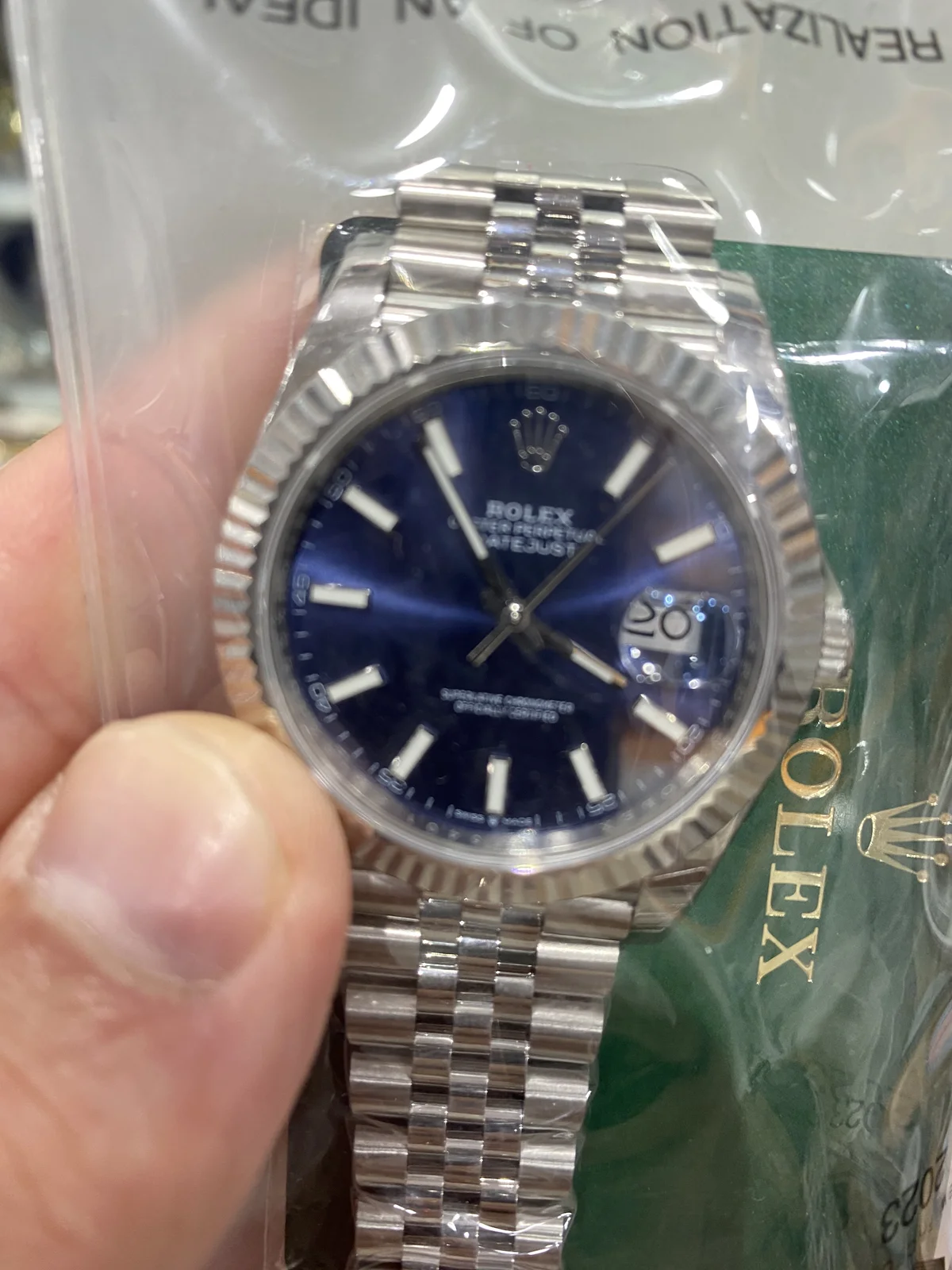
When you hear the phrase “water resistance” in the world of luxury watches, the first brand that springs to mind is Rolex. Known for its uncompromising quality, the Swiss icon has set the gold standard for marine and terrestrial use alike. A Rolex Water Resistance Guide is essential for collectors who wish to understand how these timepieces perform under varying pressures, from a quick dive in a bathtub to a professional exploration of the deep sea.
Water resistance is not merely a number stamped on the case back; it is a culmination of design philosophy, material science, and rigorous testing protocols. In this guide, we break down every element that contributes to a Rolex’s ability to withstand pressure, ensuring you can confidently choose a watch that matches your lifestyle and future investment goals.
History
Early Foundations
Rolex’s journey into water resistance began in the early 1900s when the company first introduced the Rolex Oyster in 1926. The Oyster was the first waterproof wristwatch, featuring a hermetically sealed case that protected the movement from moisture and dust. This breakthrough earned Rolex the first-ever “Oyster” patent and established the brand’s reputation for durability.
Evolution of Standards
Throughout the 20th century, Rolex continuously refined its sealing mechanisms. In the 1940s, the company introduced the Oyster Perpetual, which combined the waterproof case with a self-winding movement. The 1950s and 1960s saw the launch of the iconic Submariner and Sea-Dweller models, each pushing the limits of water resistance to new depths.
You might also enjoy our guide on Rolex Prices: Complete Guide for 2026.
In 1973, Rolex adopted the Cooperated Testing Procedure for all new watches, aligning with the ISO 6425 standard for diver’s watches. This move formalized the testing methodology and set a benchmark that continues to guide the brand’s water resistance claims.
Modern Innovations
Today, Rolex employs advanced materials such as 316L stainless steel, Cerachrom ceramic bezels, and Parachrom hairsprings to enhance performance. The company also incorporates a proprietary “Oysterlock” system, combining a screw‑down crown with a gasket‑sealed case back for unparalleled protection.
With each new model, Rolex integrates the latest in gasket technology, improved case geometry, and precision engineering, ensuring that the water resistance ratings remain a reliable indicator of real-world performance.
You might also enjoy our guide on How to Rolex Authentication Complete Guide 3 (Expert Tips).
Technical Specs
Case Construction
Rolex cases are engineered with a unique “Oyster” design, featuring a screw‑down crown, case back, and a gasket that seals the watch against water ingress. The case is typically made from 316L stainless steel, but high-end models may use gold or platinum.
Gasket Technology
- Silicone Gaskets – Used in most modern Rolex models, silicone offers excellent flexibility and resilience, maintaining a tight seal even after repeated pressure cycles.
- Elastomeric Gaskets – Found in some older models, these provide a robust seal but may degrade faster under extreme conditions.
- O-Rings – Employed in the case back to secure the crown and prevent water from entering the case.
Water Resistance Ratings
Rolex water resistance is expressed in meters, indicating the depth at which a watch can withstand water pressure for a minimum of 30 minutes. The following table summarizes the water resistance of key Rolex models:
| Model | Water Resistance (m) | Typical Use |
|---|---|---|
| Submariner Ref. 126610LN | 300 | Professional diving, everyday wear |
| Sea-Dweller Ref. 126660 | 1,220 | Deep sea exploration, high‑pressure environments |
| Deepsea Ref. 126600 | 3,900 | Professional deep‑sea diving, extreme conditions |
| Datejust Ref. 126300 | 100 | General use, accidental submersion |
| GMT-Master II Ref. 126710BLNR | 100 | Travel, general use |
You might also enjoy our guide on Rolex Cellini Dress Watch 3: Complete Guide for 2026.
Pressure Testing
All Rolex watches undergo a rigorous pressure test at the Rolex Laboratories in Le Locle. The procedure involves subjecting the watch to the specified water resistance level, followed by a series of stress tests to ensure longevity. The results are recorded and verified by an independent third party, providing assurance that the watch meets or exceeds its stated rating.
Movement
Automatic vs. Manual
Rolex exclusively uses automatic (self-winding) movements in its production models, ensuring consistent performance without the need for manual winding. The Caliber 3135 and Caliber 3235 are the most common movements in current models, both featuring a 70‑hour power reserve and high beat rates (28,800 vibrations per hour).
Parachrom Hairspring
The Parachrom hairspring, made from a high‑performance alloy, offers exceptional resistance to temperature fluctuations and magnetic fields. This innovation enhances accuracy and contributes to the overall robustness of the movement, crucial for watches intended to operate under high pressure.
You might also enjoy our guide on Rolex Yacht Master 40 In Depth Review 3: Complete Guide for 2026.
Chronometer Certification
Every Rolex movement is certified as a Swiss Chronometer by the Swiss Official Chronometer Testing Institute (SOTI). This certification confirms that the watch meets stringent accuracy standards under a series of temperature and positional tests, ensuring reliable timekeeping even in challenging environments.
Caseback Design
The caseback of a Rolex is not only a sealing element but also a protective shield for the movement. It is engineered to resist deformation under pressure, preserving the alignment of the gears and preventing water from reaching the critical components.
Pricing
New vs. Pre‑Owned
Rolex watches are renowned for their premium pricing, reflecting the brand’s commitment to quality and craftsmanship. The Rolex Water Resistance Guide can help buyers understand how the water resistance rating may influence the value and resale potential of a watch.
You might also enjoy our guide on Rolex Milgauss Discontinued 3: Complete Guide for 2026.
- New Submariner (Ref. 126610LN) – MSRP: $9,150
- New Sea‑Dweller (Ref. 126660) – MSRP: $14,850
- New Deepsea (Ref. 126600) – MSRP: $23,900
- Pre‑owned Submariner – 10‑15% below MSRP depending on condition
- Pre‑owned Sea‑Dweller – 5‑10% below MSRP
Prices can vary based on market demand, model rarity, and the inclusion of original documentation. Limited edition releases or models with unique dial colors may command premium prices even in the pre‑owned market.
Maintenance Costs
Routine servicing of a Rolex is recommended every 10 years. The cost for a full service—including movement overhaul, gasket replacement, and case cleaning—ranges from $1,200 to $1,800, depending on the model and whether it requires gasket replacement.
Investment Value
Resale Trends
Rolex watches have historically shown strong resale performance. The water resistance rating can affect demand, particularly for divers and collectors who value extreme depth capabilities. Models such as the Deepsea often retain a higher percentage of their original value due to their specialized use and limited production numbers.
You might also enjoy our guide on Best Vintage Rolex Investment Complete Guide 3 Ideas That Actually Work.
Scarcity and Rarity
Limited editions, such as the Submariner 1,000m or the Sea‑Dweller 1,220m, are produced in small quantities. The rarity of these models, combined with their high water resistance, can drive up secondary market prices.
Condition and Provenance
Maintaining a watch in pristine condition—free of scratches, with original components—is critical for preserving value. Provenance, such as a documented history of service or ownership by a notable figure, can further enhance investment potential.
Buying Advice
Define Your Needs
Before purchasing a Rolex, assess how you intend to use the watch. If you’re a professional diver, a model with 1,220 meters or more is essential. For casual wear or travel, a 100‑meter model may suffice.
You might also enjoy our guide on Omega Vs Rolex Comparison Detailed Comparison 3: Complete Guide for 2026.
Verify Authenticity
Due to the prevalence of counterfeits, always buy from authorized dealers or reputable pre‑owned specialists. Verify the serial number, caseback, and movement caliber. A genuine Rolex will have a serial number engraved on the caseback and a movement with a unique reference number.
Check the Gasket
Inspect the gasket for signs of wear or deformation. A compromised gasket can lead to water ingress, jeopardizing the watch’s water resistance. If you’re buying a pre‑owned watch, request a recent service record that includes gasket replacement.
Consider the Warranty
Authorized Rolex dealers provide a 5‑year warranty on new watches. For pre‑owned models, ensure the warranty has not expired or that the seller can provide a transfer of warranty documentation.
You might also enjoy our guide on Rolex Service Cost And Interval 3: Complete Guide for 2026.
Budget for Servicing
Factor in the cost of routine servicing and potential gasket replacement when budgeting. A watch that has never been serviced may require a comprehensive overhaul, which can significantly increase the total investment.
Trusted Sources
Frequently Asked Questions
1. What does the water resistance rating actually mean?
The rating indicates the depth in meters at which the watch can withstand water pressure for at least 30 minutes. It is a test condition, not a guarantee of performance under all circumstances.
You might also enjoy our guide on Rolex Daytona Buying Complete Guide 3: Complete Guide for 2026.
2. Can I use a Rolex for professional scuba diving?
Yes, if you select a model with a suitable rating. The Submariner (300m) is adequate for recreational diving, while the Sea‑Dweller (1,220m) and Deepsea (3,900m) are designed for professional and deep‑sea applications.
3. Does the watch’s water resistance degrade over time?
Water resistance can diminish if the gasket or case seal is damaged. Regular servicing and proper storage can mitigate this risk. A watch that has never been serviced may still maintain its rating if the gasket is intact.
4. Are Rolex watches waterproof?
Rolex watches are not “waterproof” but are designed to resist water ingress under specified pressure conditions. They are suitable for swimming, snorkeling, and diving within their rated depth.
You might also enjoy our guide on Rolex Submariner In Depth Review 3: Complete Guide for 2026.
5. How can I test my Rolex’s water resistance at home?
It is not recommended to test water resistance at home, as it requires specialized equipment. Instead, rely on the official rating and maintain proper service intervals.
Conclusion
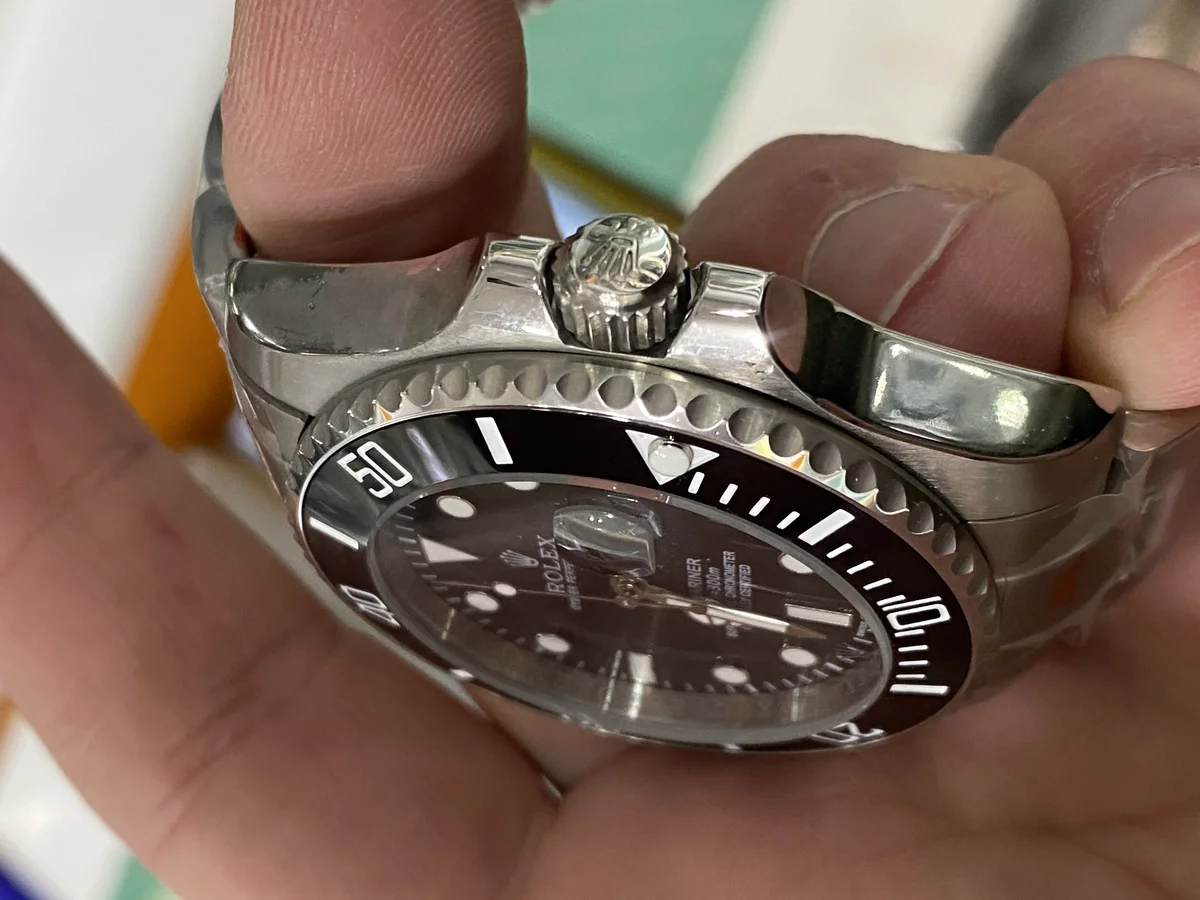
The Rolex Water Resistance Guide provides an in‑depth look at the technical, historical, and practical aspects that make Rolex watches the benchmark for water‑resistant timepieces. Whether you’re a seasoned diver, a casual traveler, or an astute investor, understanding the nuances of water resistance—alongside movement quality, pricing, and investment potential—will empower you to make a well‑informed decision.
You might also enjoy our guide on Rolex 24: Complete Guide for 2026.
Remember, a Rolex’s water resistance is a testament to the brand’s relentless pursuit of perfection. By choosing a model that aligns with your needs and maintaining it with care, you not only enjoy a world‑class watch but also secure a piece of horological history that stands the test of time and depth.