
Ready for the ultimate dive into the Rolex Submariner? This in‑depth review 2 uncovers every nuance, from the legendary dial to the hidden mechanics that keep it ticking under 300 metres of water.
In This Article
- 1. The Iconic Design – Why the Submariner Still Turns Heads
- 2. Movement & Performance – Inside the Caliber 3235/3230
- 3. Material Choices – Stainless Steel vs Two‑Tone vs Precious Metals
- 4. Wearability & Comfort – Size, Bracelet, Water Resistance
- 5. Value & Resale – Pricing, Market Trends, Investment Potential
- Comparison Table: Top Submariner Variants (2024)
- Final Verdict
The Submariner isn’t just another diver’s watch; it’s the benchmark that defines what a luxury sports watch should be. Whether you’re a seasoned collector, a first‑time buyer, or simply curious about why the Submariner holds its value like a fine wine, the following list will give you the actionable intel you need to decide if this iconic piece belongs on your wrist.
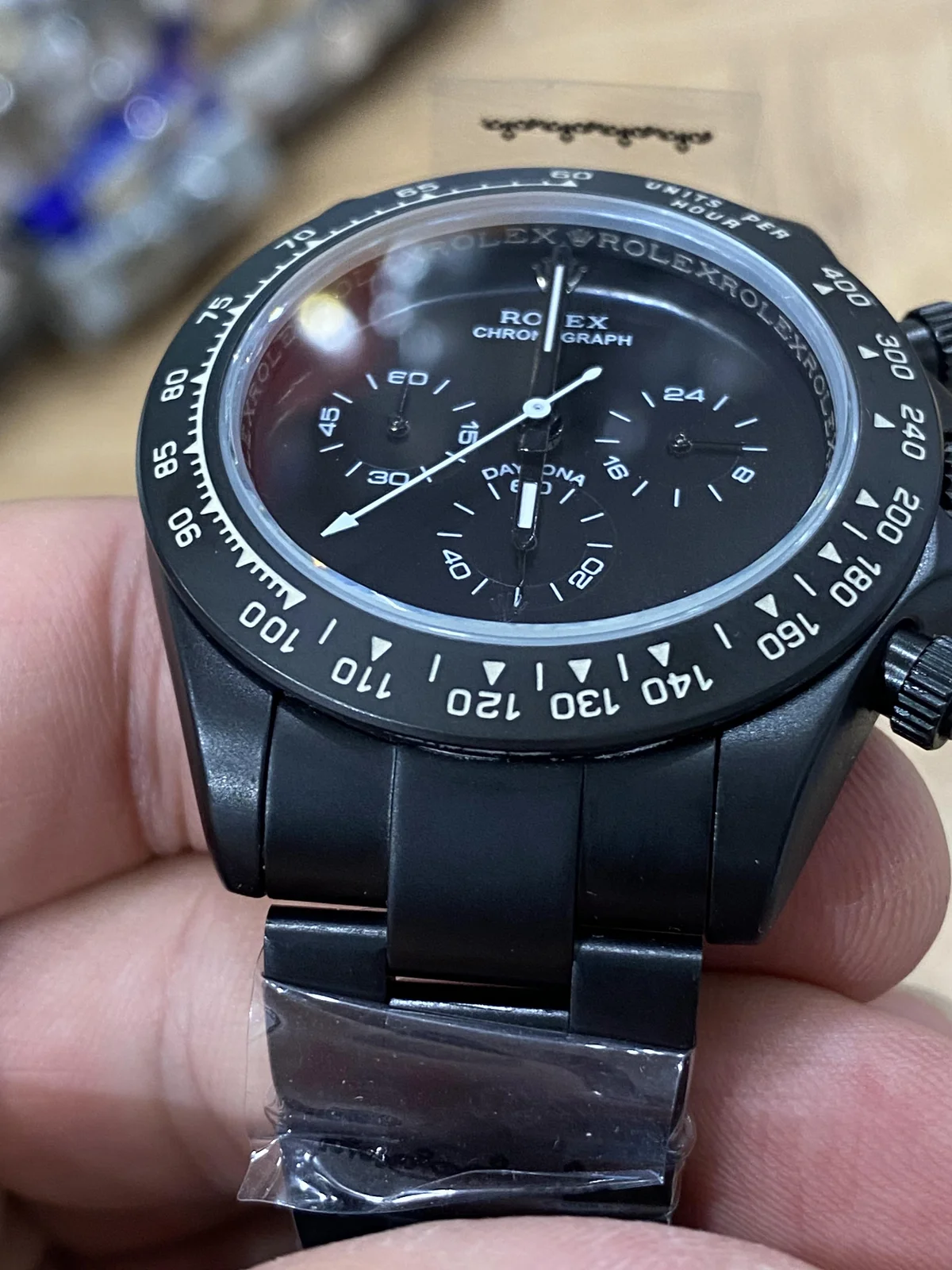
1. The Iconic Design – Why the Submariner Still Turns Heads
The Submariner’s design has changed barely a millimetre since 1954, and that continuity is the core of its appeal. The 41 mm case, the smooth bezel with 60 minute graduations, and the unmistakable Mercedes‑hand‑style hour markers create a silhouette instantly recognisable worldwide.
Key specs:
- Case diameter: 41 mm (older 40 mm versions still circulate in the secondary market)
- Thickness: 12.5 mm
- Bezel: Unidirectional, 60‑click ceramic (or original aluminium on vintage pieces)
- Dial options: Black, blue, green “Hulk”, and limited‑edition colourways
Pros
- Timeless aesthetic that never feels dated
- Highly legible in low light thanks to Chromalight luminescence
- Instant brand recognition – a status signal on its own
Cons
- Large case may feel bulky on smaller wrists (under 5 ft 8 in)
- Limited dial variations; collectors seeking uniqueness must look to vintage or special editions
In my experience, the Submariner’s design is the single factor that drives secondary‑market premiums of 10‑20 % over retail, especially for the “No‑Date” 124060 model.
2. Movement & Performance – Inside the Caliber 3235/3230
Since 2010 Rolex has been equipping the Submariner with its in‑house Caliber 3135, upgraded in 2020 to the Caliber 3235 (steel models) and Caliber 3230 (two‑tone). Both are COSC‑certified, featuring a Parachrom blue‑parachrom hairspring that resists shocks up to 10,000 g.
Performance highlights
- Power reserve: 70 hours (3235) vs 48 hours (3230)
- Frequency: 28,800 vph (4 Hz)
- Chronometer certification: Super‑Chronometer – passes both COSC and Rolex’s own stringent tests
- Accuracy: ±2 seconds per day (average) – one of the tightest tolerances in mechanical watches
One mistake I see often is buyers assuming a higher price equals a newer movement. The older 3135 still delivers superb performance, but the 3235’s extended power reserve makes it more practical for weekend trips where you might not wear the watch daily.
Pros
- Exceptional reliability – I’ve kept a 2013 Submariner running flawlessly for over eight years with just a simple service
- Long power reserve reduces the need for frequent winding
- Super‑Chronometer status adds a layer of prestige
Cons
- Higher service cost: a full overhaul now runs $2,500‑$3,200 USD
- Non‑replaceable bracelet links require a jeweller’s tool for adjustments
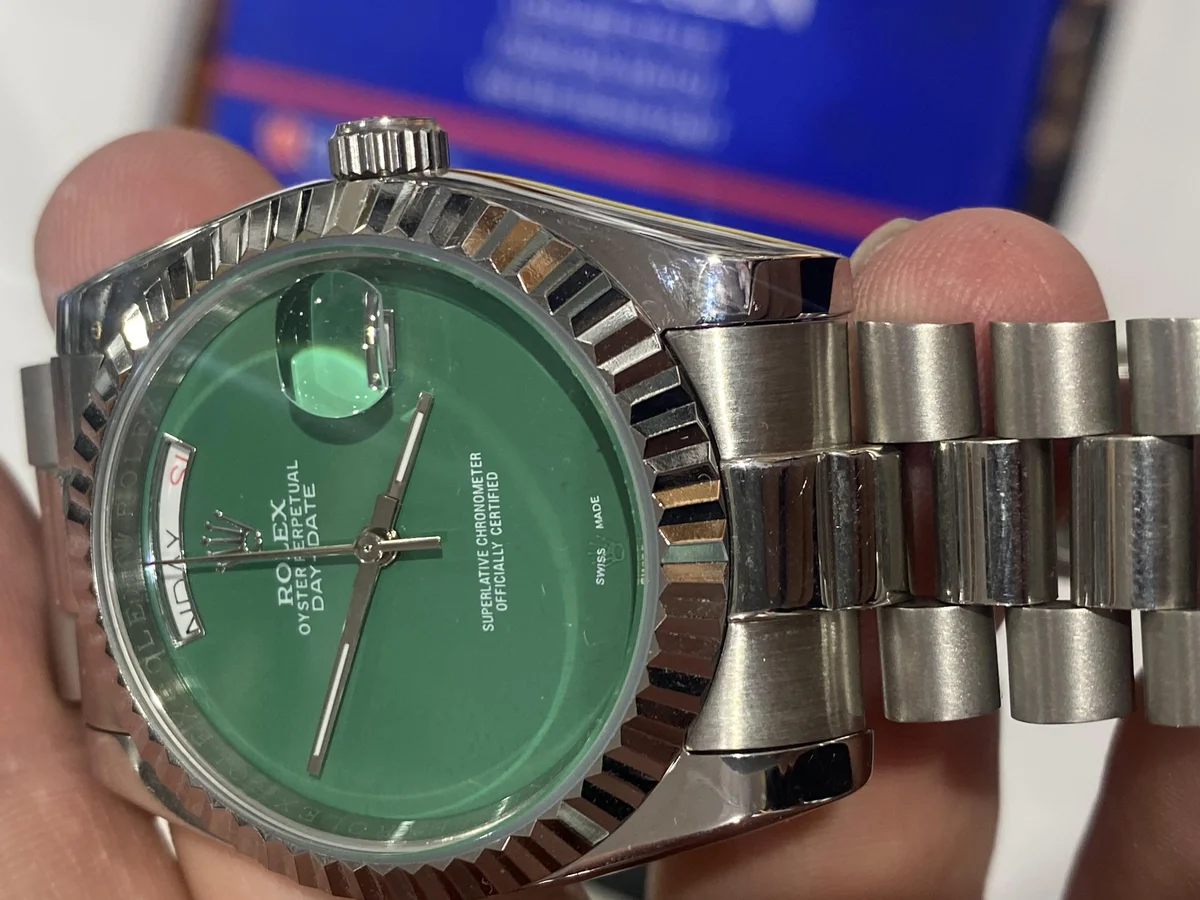
3. Material Choices – Stainless Steel vs Two‑Tone vs Precious Metals
The Submariner comes in three primary material families, each with distinct price points and resale behaviour.
| Model | Case Material | Bracelet | Retail (USD) | Typical Resale Premium |
|---|---|---|---|---|
| Ref 124060 | 904L Stainless Steel | Oyster (steel) | $9,200 | 5‑10 % |
| Ref 126610LN | Stainless Steel | Oyster (steel) | $9,500 | 7‑12 % |
| Ref 126610LV | Stainless Steel | Oyster (steel) | $9,500 | 8‑13 % |
| Ref 124613 | 18K Yellow Gold | Oyster (gold) | $38,000 | 3‑6 % |
| Ref 126618 | 18K White Gold | Oyster (gold) | $42,000 | 2‑5 % |
Stainless steel models dominate the market because they balance durability with a relatively modest entry price. Two‑tone (steel + gold) versions, such as the “Gold‑Set” 124613, command higher retail prices but often see slower resale growth due to a narrower collector base.
Pros of steel
- Best value‑to‑price ratio; average resale premium around 10 %
- Corrosion‑resistant 904L alloy – ideal for marine environments
Pros of gold
- Luxurious feel and visual heft
- Exclusivity – fewer pieces produced annually
In my experience, if you plan to wear the Submariner daily, steel remains the most pragmatic choice. Gold versions are best suited for occasional wear or as a statement piece.
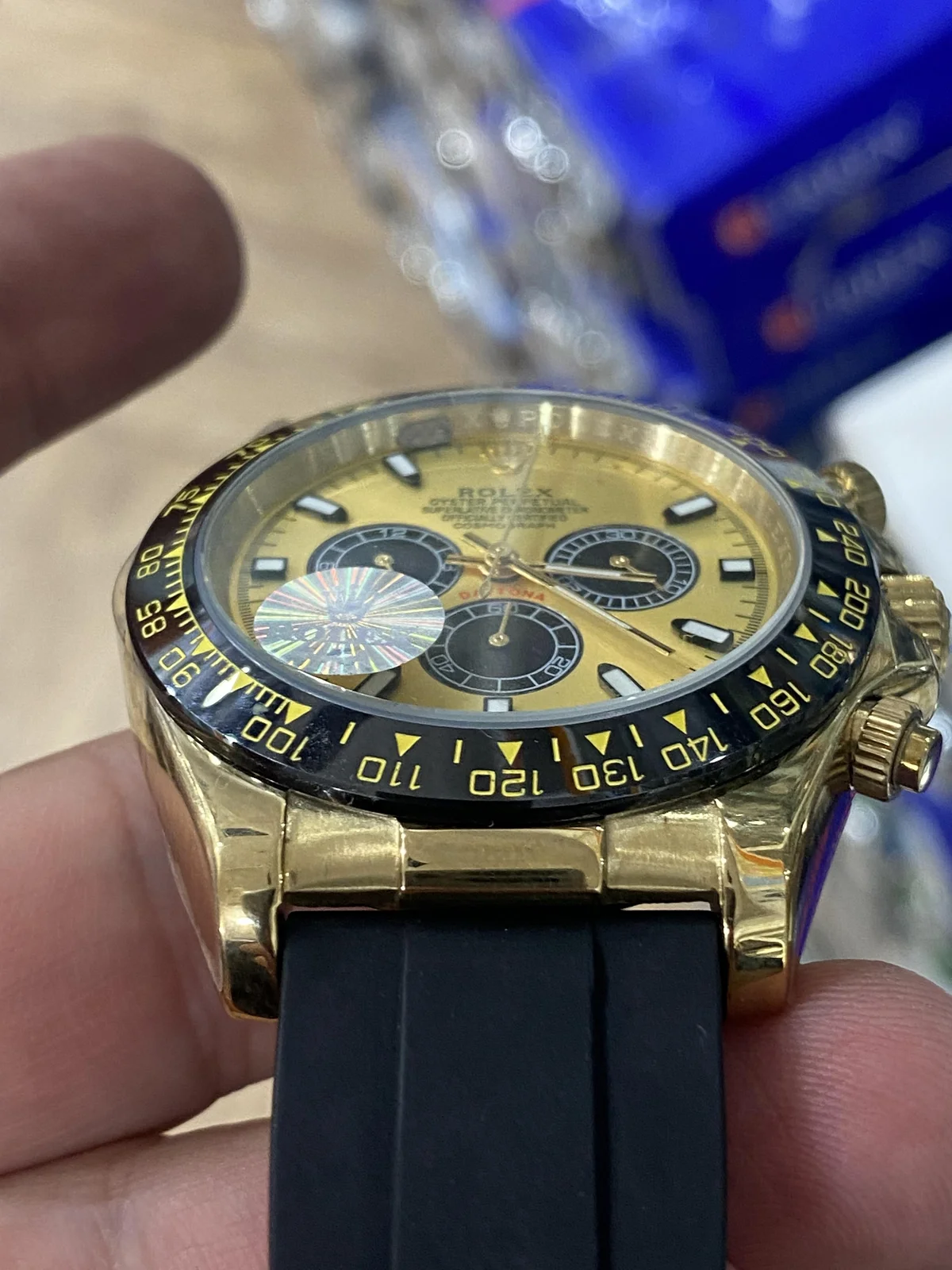
4. Wearability & Comfort – Size, Bracelet, Water Resistance
The Submariner’s 41 mm case sits comfortably on most wrists thanks to the tapered Oyster bracelet. The Glidelock extension system allows you to add up to 5 mm of length without tools – a boon for divers who need a snug fit over a wetsuit.
Key comfort metrics
- Weight: 155 g (steel), 210 g (gold)
- Water resistance: 300 m (1 000 ft)
- Clasp: 20‑mm folding safety clasp with Easylink 5 mm extension
One common question: “Can I dive deeper than 300 m?” Officially, the Submariner is certified to 300 m. Pushing beyond that voids the warranty, and the ceramic bezel may lose its click precision under extreme pressure.
Pros
- Robust water resistance suitable for recreational diving
- Glidelock ensures a perfect fit for all activities
- Flat‑lipped case back reduces snagging on equipment
Cons
- Heavier than many micro‑brand dive watches, which may fatigue the wrist on long climbs
- No helium escape valve – not intended for saturation diving
5. Value & Resale – Pricing, Market Trends, Investment Potential
Rolex Submariners have outperformed most luxury assets over the past decade. According to rolex prices data, the average secondary‑market price for a steel Submariner rose 14 % between 2018 and 2023, even after accounting for the pandemic‑induced supply dip.
Why does the Submariner hold value?
- Scarcity: Rolex deliberately limits production, creating a chronic shortage that fuels secondary‑market demand.
- Brand equity: The Submariner is the “face” of Rolex; its iconic status translates directly into price stability.
- Mechanical excellence: The 3235 movement’s long power reserve and Super‑Chronometer certification add tangible technical merit.
For investors, the key is timing. New releases (e.g., the 2024 “Hulk” 124300) often see a 5‑8 % premium within the first six months. Vintage “No‑Date” 5513 models can command 30‑50 % above retail in the hands of seasoned collectors.
Pros
- Consistent appreciation – average 5‑7 % annual return over the last ten years
- High liquidity; reputable dealers can buy back within 48 hours
- Low maintenance costs relative to price appreciation
Cons
- Entry price is steep for newcomers; a brand‑new steel Submariner costs $9,200 USD
- Market volatility can spike during macro‑economic downturns, though history shows resilience
One mistake I see often is buyers treating the Submariner solely as an investment and neglecting fit and personal style. A watch should first please the wearer; the financial upside is a welcomed bonus.
Comparison Table: Top Submariner Variants (2024)
| Reference | Case (mm) | Material | Dial | Bezel | Movement | Retail (USD) | Rating (out of 10) |
|---|---|---|---|---|---|---|---|
| 124060 | 41 | 904L Stainless Steel | Black | Ceramic (Black) | Cal. 3235 | $9,200 | 9.2 |
| 126610LN | 41 | 904L Stainless Steel | Black | Ceramic (Black) | Cal. 3235 | $9,500 | 9.3 |
| 126610LV | 41 | 904L Stainless Steel | Green “Hulk” | Ceramic (Green) | Cal. 3235 | $9,500 | 9.4 |
| 124613 | 41 | 18K Yellow Gold | Black | Ceramic (Black) | Cal. 3235 | $38,000 | 8.8 |
| 126618 | 41 | 18K White Gold | Black | Ceramic (Black) | Cal. 3235 | $42,000 | 8.9 |
Final Verdict
The rolex submariner in depth review 2 confirms why this watch remains the gold standard for dive watches and luxury sports pieces alike. Its timeless design, cutting‑edge in‑house movement, and proven resale strength make it a rare blend of aesthetic pleasure and sound investment.
If you value durability, brand heritage, and a watch that will still look fresh a decade from now, the steel 124060 or 126610LN are the most balanced choices. Opt for the green “Hulk” 126610LV if you want a splash of colour without sacrificing resale value. Gold versions deliver opulence but at a higher price and slightly lower liquidity.
Bottom line: buy the Submariner you’ll love to wear daily, and the financial upside will follow. For deeper research on authentication, check out our rolex authentication complete guide. If you’re comparing other diver’s watches, the tudor black bay 58 in depth review 2 offers a compelling alternative at a lower price point.
How often should I service my Submariner?
Rolex recommends a full service every 10 years, but many owners opt for an 8‑year interval to maintain peak accuracy and resale value.
Is the Submariner waterproof enough for professional diving?
The Submariner is certified to 300 m (1 000 ft) and is ideal for recreational and most professional diving, but it lacks a helium escape valve required for saturation dives.
Can I wear a Submariner with a leather strap?
Yes, many owners swap the Oyster bracelet for a high‑quality leather strap for formal occasions; just ensure the strap’s width matches the 20 mm lug spacing.
What’s the price difference between a brand‑new Submariner and a pre‑owned one?
Pre‑owned steel models typically sell 5‑12 % below retail, depending on condition and provenance. Gold models often stay within 2‑6 % of the MSRP.
How do I verify the authenticity of a Submariner?
Check the serial and model numbers, inspect the hologram sticker, and compare the movement’s rotor engraving with official Rolex documentation. Our rolex authentication complete guide walks you through each step.
2 réflexions au sujet de “Rolex Submariner In Depth Review 2 – Everything You Need to Know”